Skip to content
Get the Balanced News app for a better experience!
The Balanced News Logo
Analytics
The Balanced News Logo

Stay Balanced, Stay Informed

Menu
  • Browse News
  • Underreported Stories
  • Curated Feeds
  • Insights
  • Analytics
  • Our Writers
  • About Us
  • Download App
Learn
  • How It Works
  • Bias Detection
  • Lens Score
  • Source Bias Checker
  • Accountability
  • Custom Feeds
Newsroom
  • Writers & Analysts
  • About TBN
  • Editorial Standards
  • Corrections Policy
  • Our Partners
  • Insights
Socials
  • Youtube
  • Instagram
  • X
  • Facebook
News Categories
  • Trending
  • Politics
  • Sports
  • Business
  • Tech
  • Entertainment
  • Health
  • Science
  • Crime
  • Lifestyle
  • National
  • International
  • Good News
  • Crypto

Get Our App

Available for iOS and Android


LensFeedsInsightsAnalyticsTrendingGood NewsSportsPoliticsBusinessCrimeTechEntertainmentHealthNationalInternational

© 2026 The Balanced News. All rights reserved.

About UsEditorial StandardsCorrectionsHelp & SupportPrivacy PolicyTerms & Conditions
Human-Wildlife Coexistence and Collaborative Conservation in India’s Forest Landscapes
Categories

Categories

Related Coverage

Select a news story to see related coverage from other media outlets.

Related Coverage

Select a news story to see related coverage from other media outlets.

  1. Home
  2. /
  3. Social

Human-Wildlife Coexistence and Collaborative Conservation in India’s Forest Landscapes

Analysed 29 Jul 2026·2 sources analysed·Assam, India·Social
Human-Wildlife Coexistence and Collaborative Conservation in India’s Forest LandscapesPreviousNext

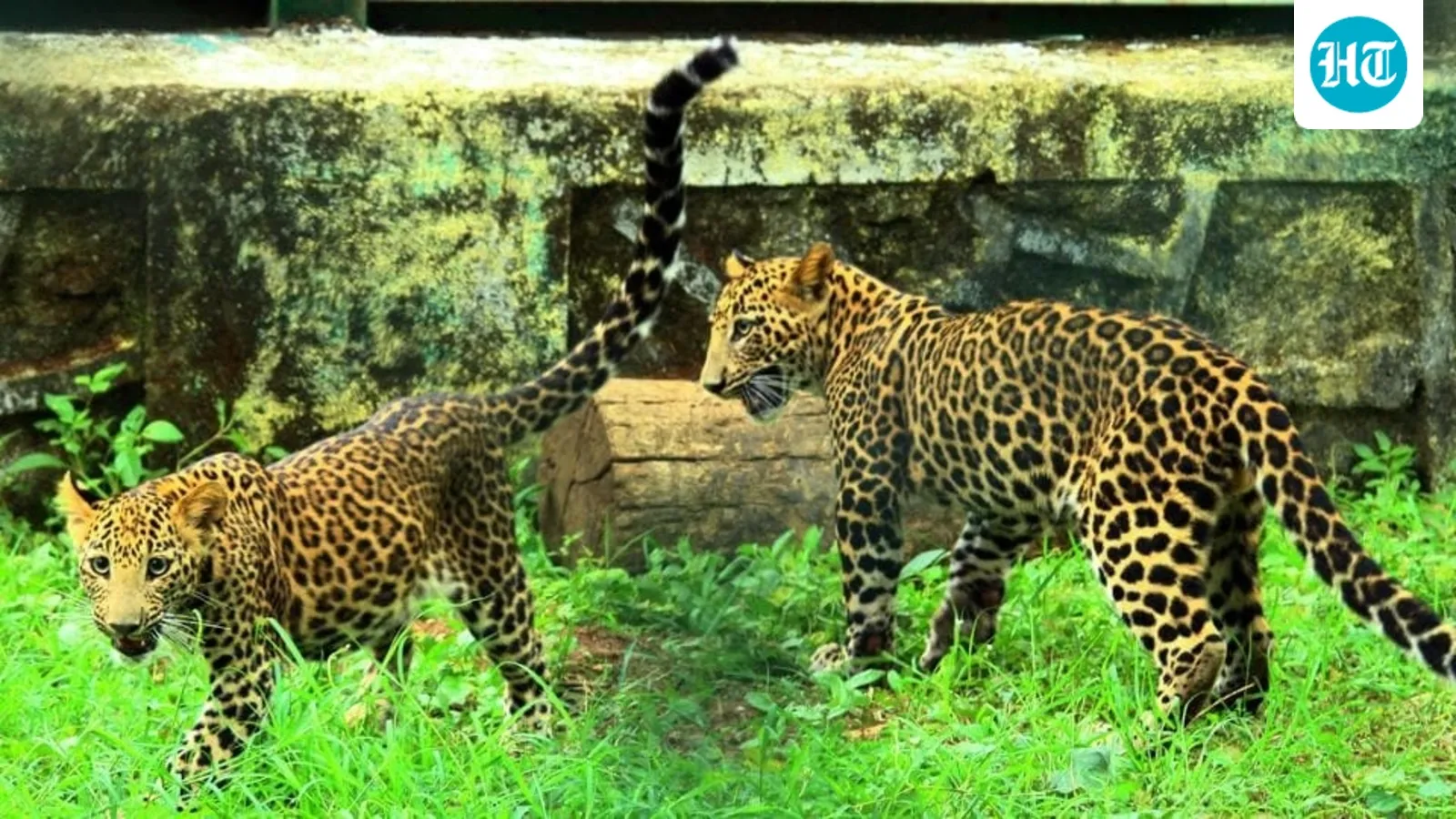
Human-wildlife interactions in India often involve shared landscapes where animals like elephants, tigers, and leopards follow traditional routes now intersected by human settlements, leading to occasional conflicts such as crop damage and livestock loss. Research highlights the importance of coexistence and collaborative conservation approaches, exemplified by the Soliga tribal community in the Biligiri Rangaswamy Temple Wildlife Sanctuary, who integrate traditional knowledge with modern methods to manage forests and wildlife sustainably, challenging exclusionary 'fortress conservation' models.

Sentiment
62%
TBN's observations

First-hand measurement across 2 sources

We measured how 2 outlets covered this story. No outlet gave this story a measurable political slant — there is no left–right reading to report. Overall sentiment is positive (62/100). Lens Score 31/100.

Outlets measured: hindustantimes, thehindu. See how each one headlined and framed the same story in the source comparison below.

AI analysis of 2 sources · Published under editorial oversight by The Balanced News
Analysed 29 Jul 2026· How this analysis is produced· Editorial standards· Corrections

AI Analysis

Sentiment — Positive (62/100)

Sentiment was consistent across outlets (55–68/100), indicating broadly factual reporting rather than editorialising.

Coverage timeline

thehindu broke this story on 29 Jul, 12:38 am. Other outlets followed.

29 Jul, 12:38 am2 sources · 11 h29 Jul, 11:39 am
  1. 1
AI analysis by the TBN Bias Engine · beat methodology byAniket Awate· Culture & Digital Media Writer· editorial standards byOjas Kale
← Previous
Srisailam Temple Observes Guru Purnima and Sakambari Utsavam with Rituals and Decorations
Next →
Woman Questions Spending Rs 30 Lakh on Wedding, Advocates Financial Security
thehindu29 Jul, 12:38 am
Study cites Soligas of Biligiri as an example against 'fortress conservation approach'
  • 2
    hindustantimes29 Jul, 11:39 am
    Rethinking human-wildlife conflict
  • Who's involved

    Institutions and figures named across source coverage.

    Government
    Forest Department

    Story context

    Category
    Social
    Location
    Assam, India
    Sources analysed
    2
    Last analysed
    29 Jul 2026
    Key entities
    TigerElephantLeopardIndiaHuman–wildlife conflictSugarcaneLivestockAssamAsian elephantPaddy fieldLandscapeWhatsApp