Skip to content
Get the Balanced News app for a better experience!
The Balanced News Logo
Analytics
The Balanced News Logo

Stay Balanced, Stay Informed

Menu
  • Browse News
  • Underreported Stories
  • Curated Feeds
  • Insights
  • Analytics
  • Our Writers
  • About Us
  • Download App
Learn
  • How It Works
  • Bias Detection
  • Lens Score
  • Source Bias Checker
  • Accountability
  • Custom Feeds
Newsroom
  • Writers & Analysts
  • About TBN
  • Editorial Standards
  • Corrections Policy
  • Our Partners
  • Insights
Socials
  • Youtube
  • Instagram
  • X
  • Facebook
News Categories
  • Trending
  • Politics
  • Sports
  • Business
  • Tech
  • Entertainment
  • Health
  • Science
  • Crime
  • Lifestyle
  • National
  • International
  • Good News
  • Crypto

Get Our App

Available for iOS and Android


LensFeedsInsightsAnalyticsTrendingGood NewsSportsPoliticsBusinessCrimeTechEntertainmentHealthNationalInternational

© 2026 The Balanced News. All rights reserved.

About UsEditorial StandardsCorrectionsHelp & SupportPrivacy PolicyTerms & Conditions
China's Reforestation Efforts Impact Regional Water Cycles and Desert Ecosystems
Categories

Categories

Related Coverage

Select a news story to see related coverage from other media outlets.

Related Coverage

Select a news story to see related coverage from other media outlets.

  1. Home
  2. /
  3. Social

China's Reforestation Efforts Impact Regional Water Cycles and Desert Ecosystems

Analysed 7 Sept 2026·2 sources analysed·China·Social
China's Reforestation Efforts Impact Regional Water Cycles and Desert EcosystemsPreviousNext

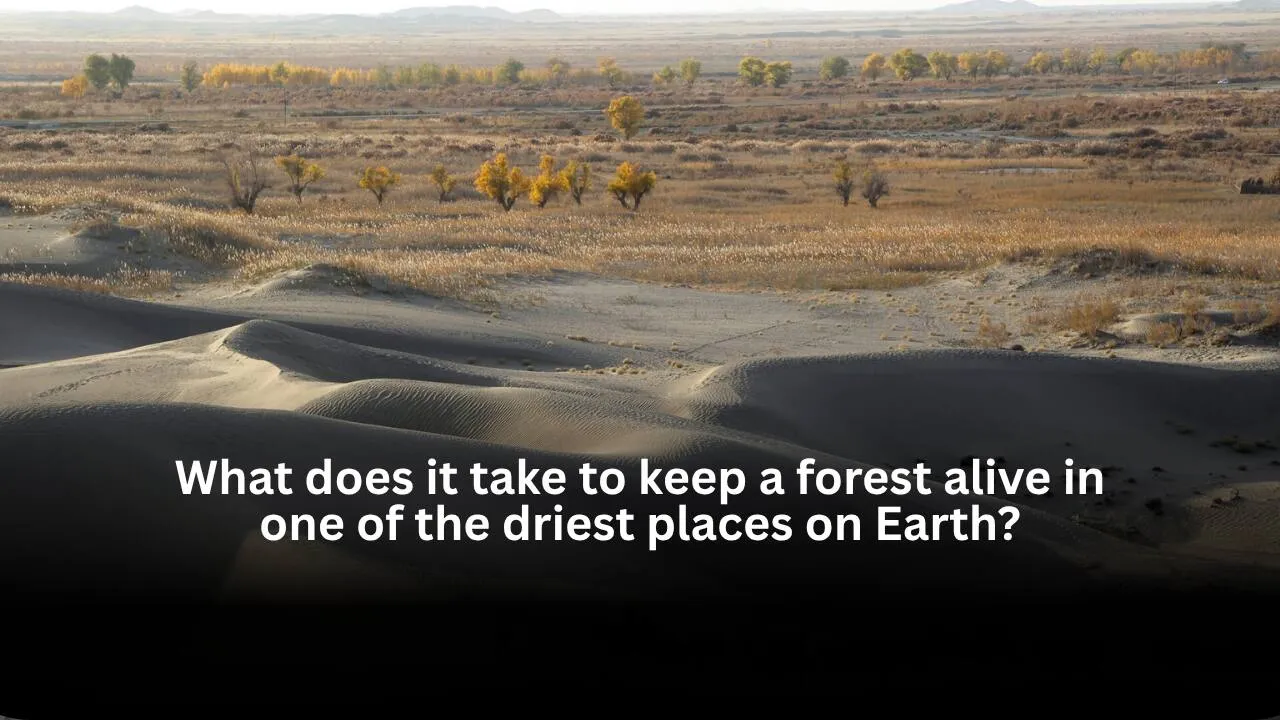
China's large-scale tree planting efforts since 1949 have increased forest cover from about 10% to over 25%, helping combat desertification and land degradation. However, studies reveal that these reforestation projects, including the Three-North Shelterbelt Program near the Taklamakan Desert, have altered regional water cycles, reducing freshwater availability in eastern and northwestern China while increasing it over the Tibetan Plateau. Scientists debate the sustainability of such efforts given the water demands in arid regions and their broader environmental impacts.

Sentiment
56%
TBN's observations

First-hand measurement across 2 sources

We measured how 2 outlets covered this story. No outlet gave this story a measurable political slant — there is no left–right reading to report. Overall sentiment is neutral (56/100). Lens Score 38/100.

Outlets measured: moneycontrol, economictimes. See how each one headlined and framed the same story in the source comparison below.

AI analysis of 2 sources · Published under editorial oversight by The Balanced News
Analysed 7 Sept 2026· How this analysis is produced· Editorial standards· Corrections

AI Analysis

Sentiment — Neutral (56/100)

Sentiment was consistent across outlets (55–56/100), indicating broadly factual reporting rather than editorialising.

Coverage timeline

economictimes broke this story on 6 Sept, 09:05 am. Other outlets followed.

6 Sept, 09:05 am2 sources · 21 h7 Sept, 06:06 am
AI analysis by the TBN Bias Engine · beat methodology byAniket Awate· Culture & Digital Media Writer· editorial standards byOjas Kale
← Previous
South Indian Workers Expand Overseas Job Searches Amid Growing Risks
Next →
Students and Parents Raise Concerns Over Safety and Costs of Delhi University PGs
  • 1
    economictimes6 Sept, 09:05 am
    Post-1949, China increased its forest cover from 10 to 25 , but scientists found an unexpected side effect: Tree planting shifted water away from East Northwest towards the Tibetan Plateau
  • 2
    moneycontrol7 Sept, 06:06 am
    You may think planting billions of trees is good for the planet. China's desert experiment shows why it's not that simple- Moneycontrol.com
  • Who's involved

    Institutions and figures named across source coverage.

    Government
    Government of ChinaGovernment of the People's Republic of China

    Story context

    Category
    Social
    Location
    China
    Sources analysed
    2
    Last analysed
    7 Sept 2026
    Key entities
    VegetationChinaDesertificationWater resourcesAtmosphereRestoration ecologyTaklamakan DesertDesertPhotosynthesisCarbon sinkSandCarbon dioxide