Amarnath Ice Shivling Melts Early Amid Environmental and Pilgrim Impact Concerns
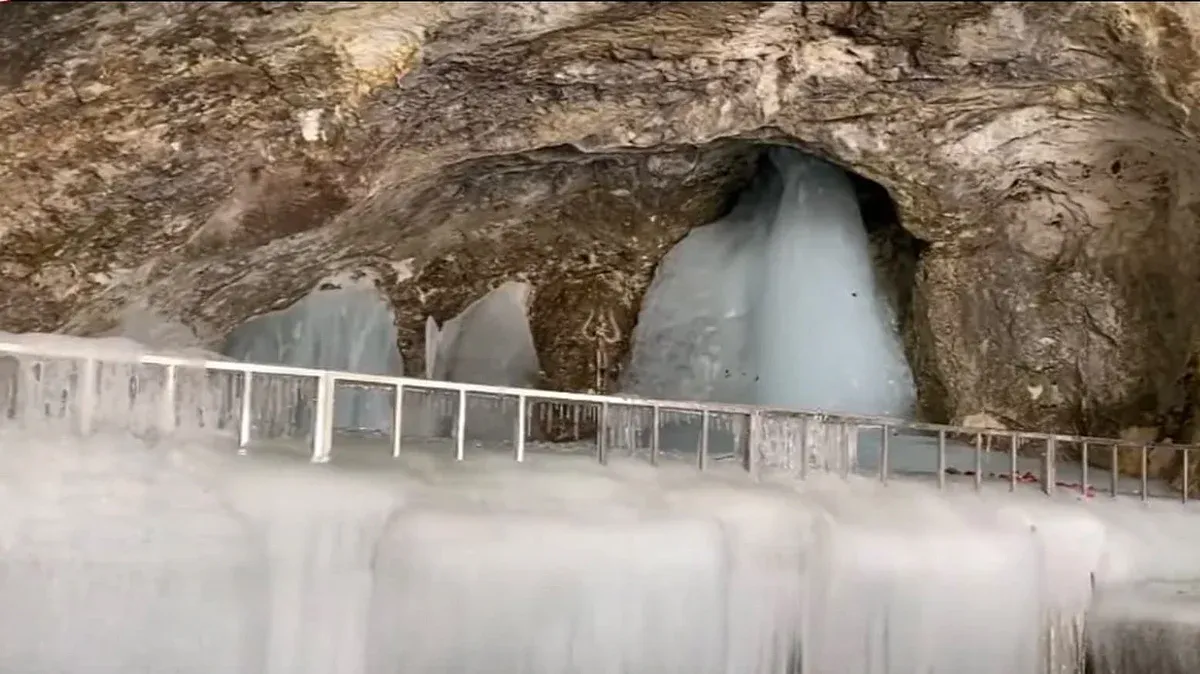
The naturally formed Amarnath Ice Shivling in Jammu and Kashmir's Amarnath Cave melted almost entirely within the first week of the 2026 annual pilgrimage, a phenomenon observed over the past three years. Experts attribute this early melting to rising local temperatures, reduced snowfall, and climate-related factors. PDP leader Iltija Mufti highlighted environmental concerns, including excessive pilgrim numbers exceeding Supreme Court limits, construction activities, and proposed projects, urging sustainable measures to protect the shrine and its surroundings.
First-hand measurement across 3 sources
We measured how 3 outlets covered this story. Coverage leans balanced overall (Left 43%, Centre 54%, Right 3%). Overall sentiment is neutral (35/100). Lens Score 29/100 — low public interest.
Outlets analysed (first-hand measurement by TBN's Bias Engine):
- httpswwwoutlookindiacom— left-leaning framing, neutral sentiment
- freepressjournal— balanced framing, neutral sentiment
- zeenews— balanced framing, neutral sentiment
AI Analysis
The article group includes perspectives from environmental experts and political figures like PDP leader Iltija Mufti, who emphasize climate change and environmental degradation as causes for the ice melting. The coverage reflects concerns about government management of pilgrimage activities and infrastructure projects, presenting both scientific explanations and political calls for sustainable policies without overt partisan framing.
The overall tone is cautious and concerned, focusing on environmental degradation and the shrine's preservation challenges. While the melting of the ice lingam is reported factually, the inclusion of political voices expressing alarm over ecological impacts and pilgrimage management adds a critical but measured sentiment, highlighting the need for sustainable solutions.