Amarnath Ice Shivling Melts Rapidly During 2026 Pilgrimage Amid Climate Concerns
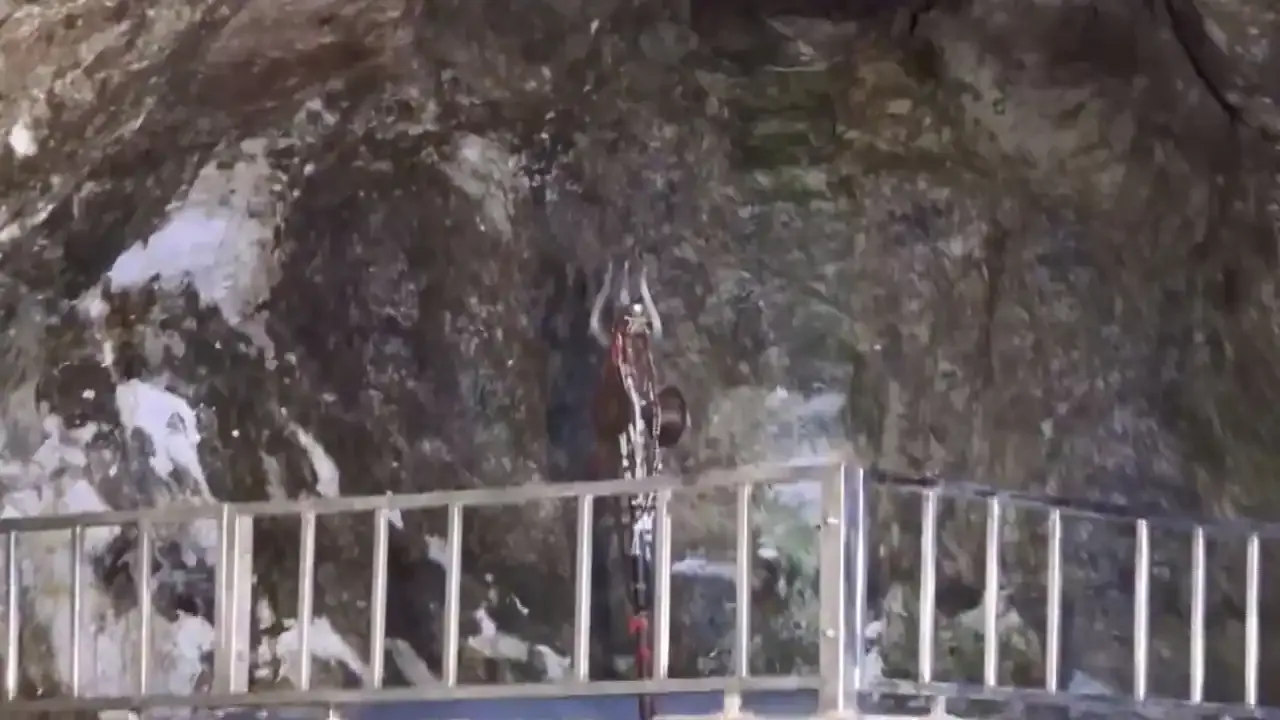
The naturally formed ice Shivling inside the Shri Amarnath Cave nearly melted within the first week of the 2026 annual pilgrimage, shrinking by about 99 percent from its original seven-foot height. Experts attribute this early melting to rising regional temperatures, reduced snowfall, and erratic heatwaves in Kashmir. While the exact causes include multiple environmental factors, devotees continue to express strong faith despite the diminished ice formation. Some suggest starting the pilgrimage earlier to allow more devotees to witness the Shivling.
First-hand measurement across 2 sources
We measured how 2 outlets covered this story. Coverage leans balanced overall (Left 0%, Centre 100%, Right 0%). Overall sentiment is neutral (45/100). Lens Score 29/100 — low public interest.
Outlets analysed (first-hand measurement by TBN's Bias Engine):
- freepressjournal— balanced framing, neutral sentiment
- zeenews— balanced framing, neutral sentiment
AI Analysis
The articles present a largely neutral perspective focused on environmental and religious aspects without political framing. They include expert opinions on climate factors and devotee reactions, avoiding partisan viewpoints. The coverage emphasizes scientific explanations and cultural sentiments, reflecting a balanced approach without aligning with any political ideology or agenda.
The overall tone is mixed, combining concern over the rapid melting of the ice Shivling due to environmental changes with positive expressions of faith and pilgrimage experiences from devotees. The articles acknowledge the impact of climate factors while highlighting the spiritual significance and continued devotion, resulting in a balanced sentiment that neither sensationalizes nor downplays the issue.
How 2 sources covered this story
Each source's own headline, political lean, and sentiment — so you can see framing differences at a glance.