UN Warns of Likely El Niño Event with Potential for Extreme Global Weather in 2026
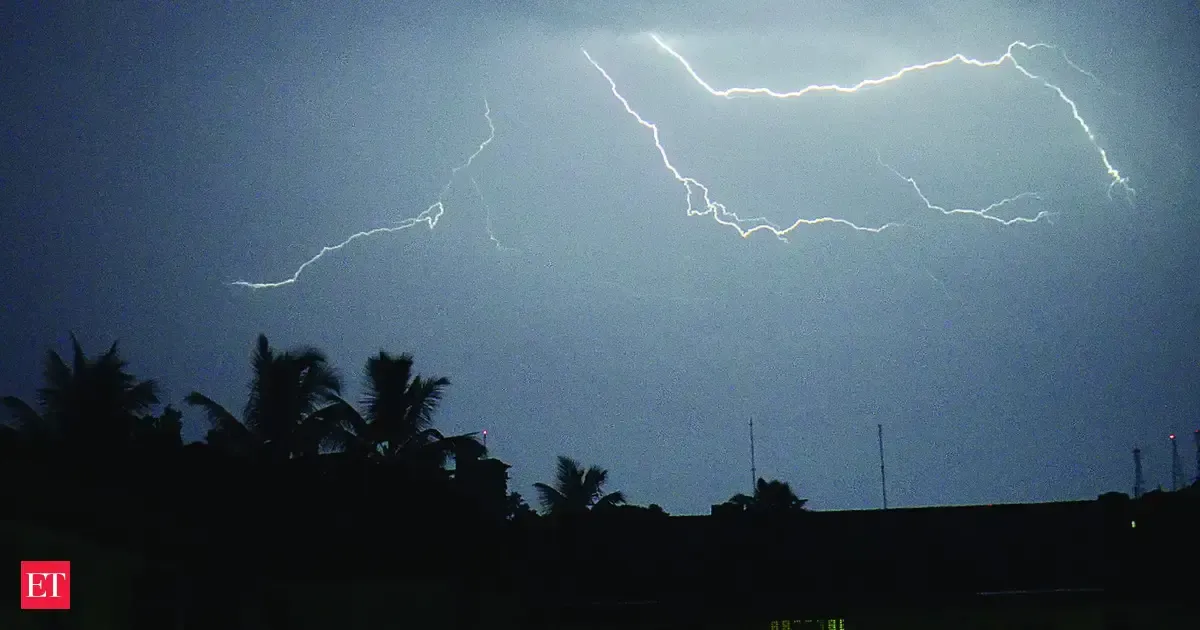
The World Meteorological Organization (WMO) forecasts an 80 percent chance of El Niño developing between June and August 2026, with a 90 percent likelihood it will persist until at least November. This natural climate phenomenon, characterized by warming Pacific Ocean waters, is expected to raise global temperatures and disrupt rainfall patterns, causing droughts in regions like South Asia and Australia, and heavy rains in parts of the Americas and Africa. While the strength of this El Niño remains uncertain, it could be moderate to strong, potentially intensifying heatwaves, droughts, floods, and hurricanes. Climate change is expected to amplify these impacts, increasing risks to agriculture, water resources, and public health worldwide. Authorities are urged to prepare for these extreme weather events and their socioeconomic consequences.
First-hand measurement across 15 sources
We measured how 15 outlets covered this story. Coverage leans balanced overall (Left 1%, Centre 99%, Right 0%). Overall sentiment is neutral (40/100). Lens Score 29/100 — low public interest.
Outlets analysed (first-hand measurement by TBN's Bias Engine):
- thefinancialexpress— balanced framing, negative sentiment
- english— balanced framing, neutral sentiment
- theprint— balanced framing, neutral sentiment
- hindustantimes— balanced framing, neutral sentiment
- ndtv— balanced framing, neutral sentiment
- firstpost— balanced framing, neutral sentiment
- mint— balanced framing, neutral sentiment
- indianexpress— balanced framing, neutral sentiment
AI Analysis
The article group primarily reflects scientific and institutional perspectives from the United Nations and meteorological agencies, emphasizing climate science and preparedness. It includes statements from UN officials urging climate action without partisan framing. Coverage is largely factual and policy-oriented, with some sources highlighting the need to reduce fossil fuel dependence, reflecting environmental advocacy but maintaining a global institutional viewpoint rather than political partisanship.
The overall tone across the articles is cautionary and serious, focusing on the risks and challenges posed by the developing El Niño event. While the coverage acknowledges uncertainties in forecasting strength, it stresses potential negative impacts such as extreme heat, drought, and disrupted rainfall. The sentiment is predominantly concerned and urgent, aiming to raise awareness and encourage preparedness without sensationalism or alarmism.