Psychology Explains Emotional and Practical Reasons Behind Preference for Older Technology
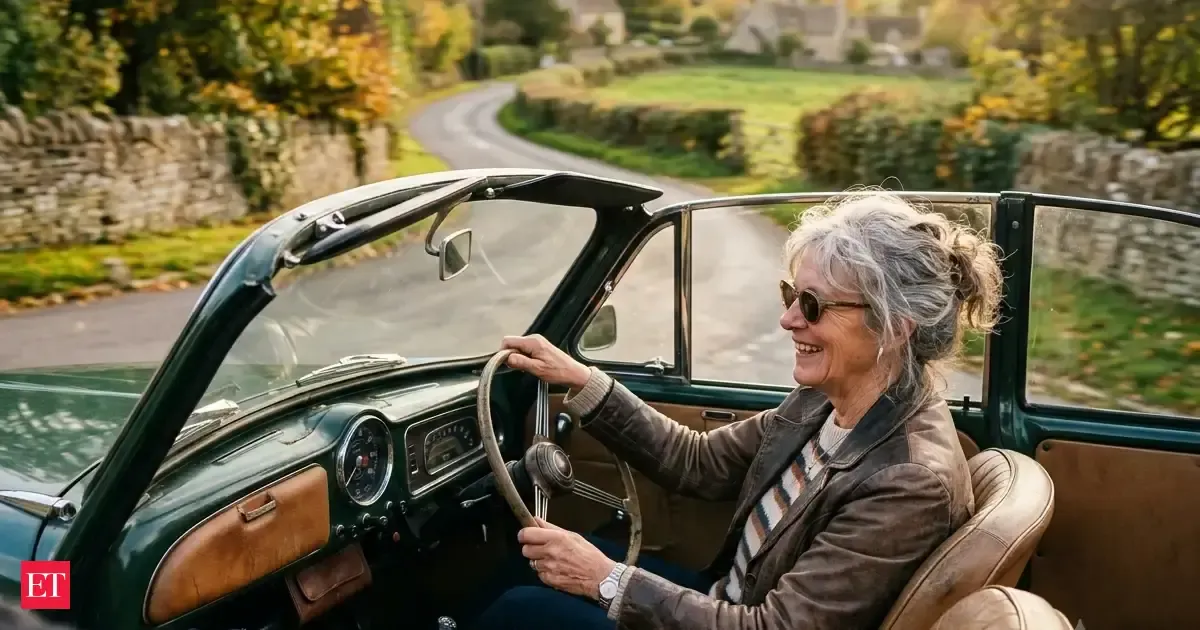
Psychology research indicates that preferences for older technology, such as vintage gasoline cars or long-used phones, often stem from emotional connections, practical decision-making, and satisfaction with familiar functionality rather than resistance to change. These choices reflect values like nostalgia, control, financial awareness, and personal identity. Experts emphasize that such behaviors are influenced by meaningful experiences and thoughtful evaluation of usefulness, not simply fear of innovation or reluctance to adopt new technology.
First-hand measurement across 2 sources
We measured how 2 outlets covered this story. Coverage leans balanced overall (Left 0%, Centre 100%, Right 0%). Overall sentiment is positive (70/100). Lens Score 22/100 — low public interest.
Outlets analysed (first-hand measurement by TBN's Bias Engine):
- economictimes— balanced framing, positive sentiment
- economictimes— balanced framing, positive sentiment
AI Analysis
The article group presents a neutral psychological perspective focusing on individual behavior and decision-making without political framing. It highlights personal values and emotional factors influencing technology use, avoiding partisan viewpoints or policy debates. The coverage centers on consumer psychology and human behavior, representing expert insights rather than political opinions.
The overall tone is neutral and informative, emphasizing understanding and explanation rather than judgment. The articles convey a balanced view that neither criticizes nor praises the preference for older technology but explores underlying motivations. The sentiment is calm and analytical, aiming to clarify common misconceptions about technology adoption.
How 2 sources covered this story
Each source's own headline, political lean, and sentiment — so you can see framing differences at a glance.