Research Links Skeletal Muscle Health to Heart Risk and Overall Well-Being
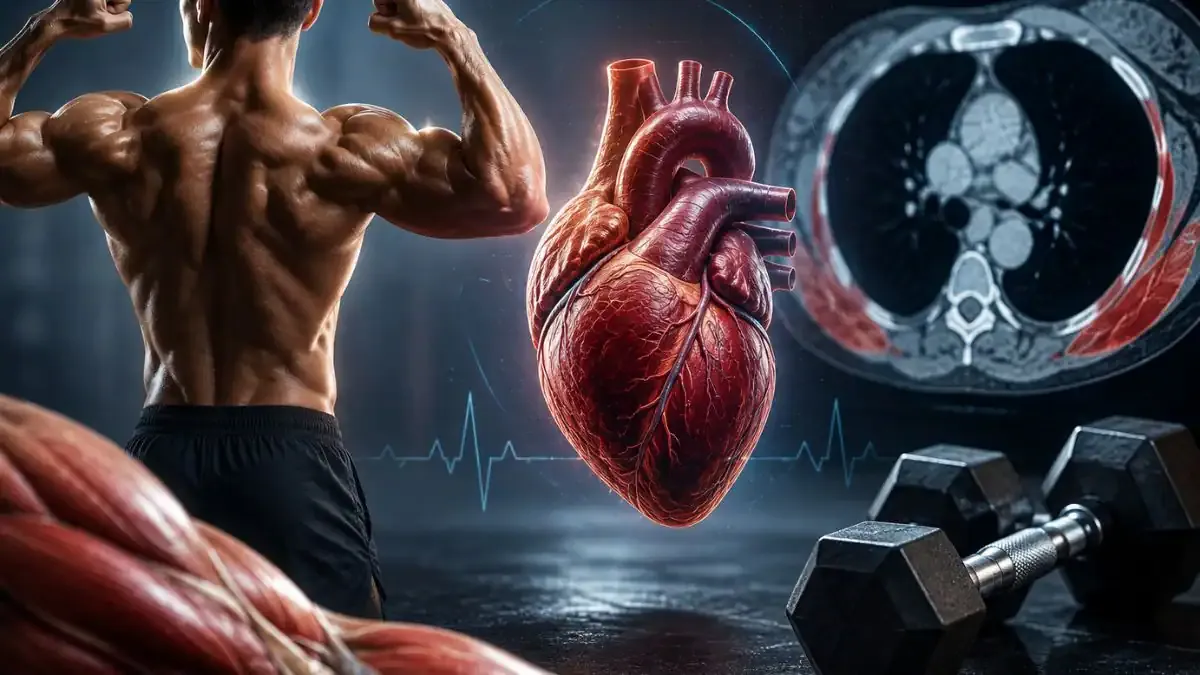
Recent research highlights the significant role of skeletal muscle health in overall well-being and cardiovascular risk. A study using AI analysis of coronary CT scans found that healthier chest and back muscles correlate with lower heart attack risk and mortality over a decade. Experts emphasize muscles' broader functions, including metabolism regulation, insulin sensitivity, inflammation reduction, bone support, balance, and recovery. Poor muscle health, including conditions like sarcopenia, can lead to increased risks of falls, fractures, and metabolic issues, often beginning in midlife without preventive care.
First-hand measurement across 2 sources
We measured how 2 outlets covered this story. Coverage leans balanced overall (Left 0%, Centre 100%, Right 0%). Overall sentiment is positive (75/100). Lens Score 28/100 — low public interest.
Outlets analysed (first-hand measurement by TBN's Bias Engine):
- firstpost— balanced framing, positive sentiment
- ndtv— balanced framing, positive sentiment
AI Analysis
The articles present a medical and scientific perspective without political framing. They include expert opinions from cardiologists and medical consultants, focusing on health research and clinical implications. The coverage is neutral, emphasizing scientific findings and health advice rather than political or ideological viewpoints.
The tone across the articles is informative and cautiously optimistic, highlighting new research findings and the importance of muscle health. While acknowledging risks associated with poor muscle condition, the coverage encourages awareness and preventive measures, maintaining a balanced and educational sentiment without alarmism.
How 2 sources covered this story
Each source's own headline, political lean, and sentiment — so you can see framing differences at a glance.