Rising Nighttime Temperatures Impact Sleep and Health in Delhi and Across India
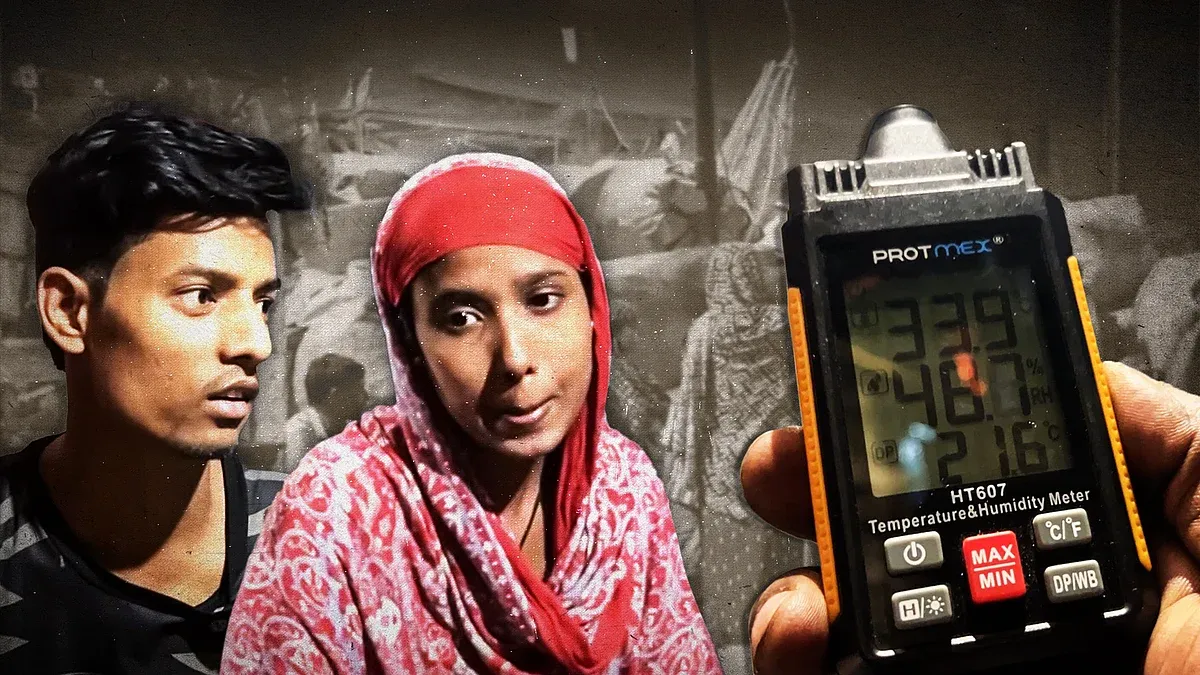
Recent studies highlight a rise in nighttime temperatures across India, notably in Delhi, where heat retention after sunset has increased by nearly 9 percent. This trend disproportionately affects residents of low-income neighborhoods and informal settlements, where inadequate housing traps heat, making sleep difficult. The India Meteorological Department forecasts above-normal minimum temperatures nationwide, raising concerns about health and comfort. Experts suggest officially classifying heatwaves as disasters to improve relief efforts, though such measures are yet to be adopted in Delhi.
First-hand measurement across 2 sources
We measured how 2 outlets covered this story. Coverage leans balanced overall (Left 45%, Centre 53%, Right 2%). Overall sentiment is negative (32/100). Lens Score 26/100 — low public interest.
Outlets analysed (first-hand measurement by TBN's Bias Engine):
- newslaundry— left-leaning framing, negative sentiment
- ndtv— balanced framing, neutral sentiment
AI Analysis
The articles present perspectives focused on scientific findings and lived experiences without partisan framing. They include expert opinions on policy gaps, such as the lack of official disaster classification for heatwaves, but do not attribute blame to specific political entities. Coverage emphasizes public health and environmental concerns, reflecting a neutral stance centered on factual reporting and expert analysis.
The overall tone is concerned and informative, highlighting the challenges posed by increasing nighttime heat, especially for vulnerable populations. While the articles describe discomfort and health risks, they maintain a factual and empathetic approach without sensationalism. The sentiment balances awareness of the problem with calls for improved policy responses.
How 2 sources covered this story
Each source's own headline, political lean, and sentiment — so you can see framing differences at a glance.