India Expands Urban Rainwater Harvesting Initiatives to Address Water Scarcity
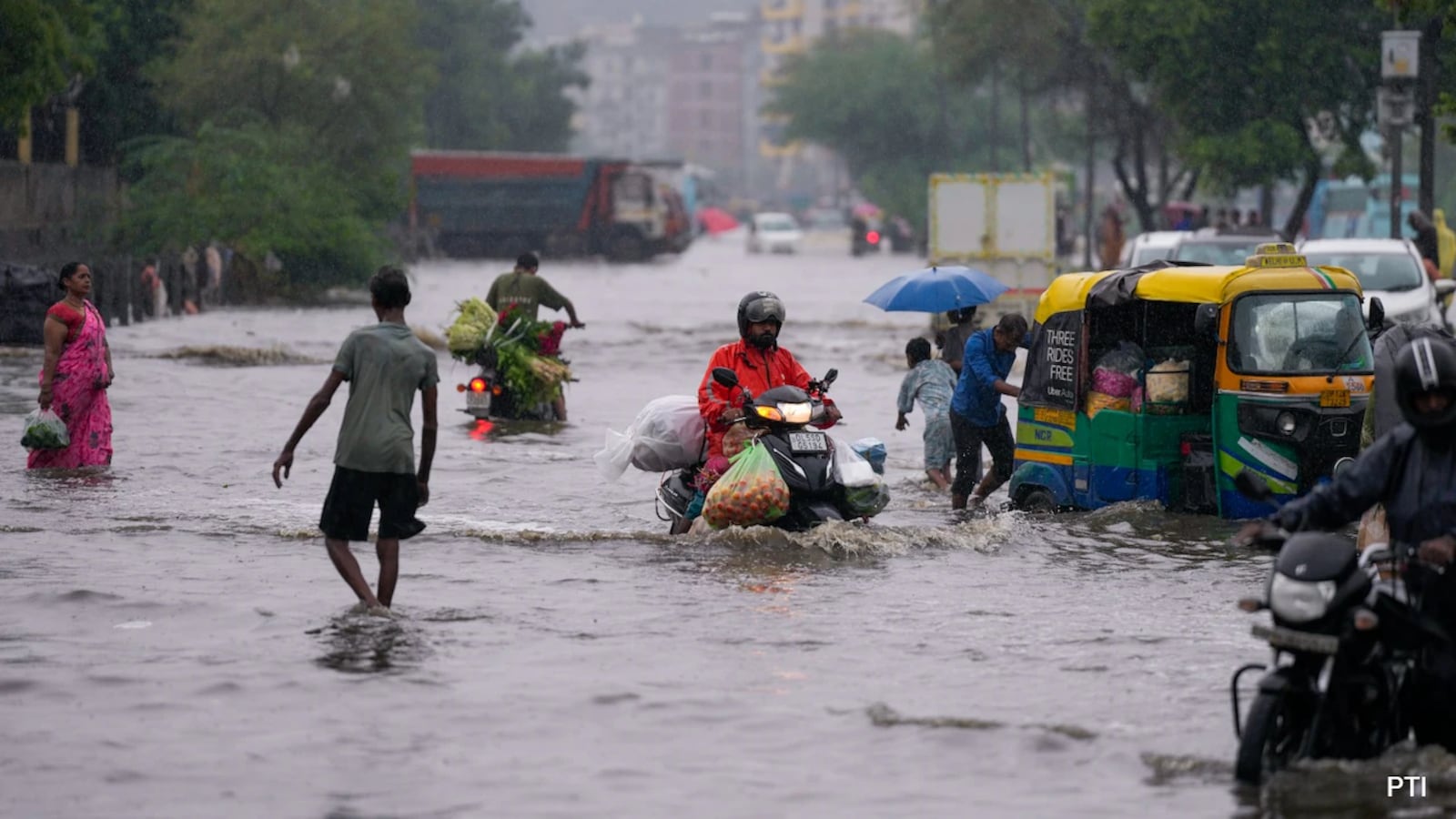
India faces persistent urban water shortages despite heavy monsoon rains and limited freshwater resources. Historically, rainwater harvesting involved interconnected tanks that reduced flooding and conserved water. Currently, the government has expanded the 'Catch the Rain' campaign under AMRUT 2.0 and Jal Shakti Abhiyan, covering nearly 900 urban local bodies to promote rainwater harvesting, groundwater recharge, and water body rejuvenation. Various location-specific measures, such as recharge pits and rooftop systems, aim to improve water security and climate resilience in cities.
First-hand measurement across 2 sources
We measured how 2 outlets covered this story. Coverage leans balanced overall (Left 10%, Centre 82%, Right 8%). Overall sentiment is positive (70/100). Lens Score 29/100 — low public interest.
Outlets analysed (first-hand measurement by TBN's Bias Engine):
- thetribune— balanced framing, positive sentiment
- ndtv— balanced framing, neutral sentiment
AI Analysis
The articles present a government-led perspective emphasizing official initiatives like AMRUT 2.0 and Jal Shakti Abhiyan without critique or opposition viewpoints. They highlight historical and current efforts to manage water scarcity, focusing on policy implementation and technical solutions. The coverage is largely descriptive, reflecting official narratives on urban water management and conservation.
The tone across the articles is generally positive and constructive, focusing on solutions to water scarcity through expanded rainwater harvesting and groundwater recharge programs. While acknowledging ongoing challenges like urban flooding and resource limitations, the coverage emphasizes proactive government measures and technological approaches to improve water security.
How 2 sources covered this story
Each source's own headline, political lean, and sentiment — so you can see framing differences at a glance.