West Bengal School Meal Changes Highlight Importance of Balanced Child Nutrition
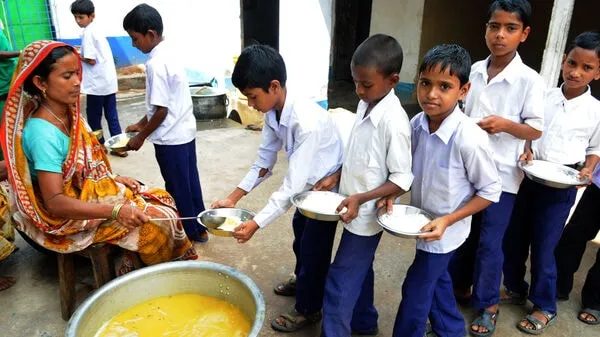
The West Bengal government has assigned Iskcon, a religious organization that excludes eggs and non-vegetarian items, to provide mid-day meals in Kolkata schools, replacing animal proteins with plant-based alternatives. This decision has sparked debate given eggs' role as an affordable protein source important for child development. However, National Institute of Nutrition Director Bharati Kulkarni emphasizes that no single food, including eggs, ensures child nutrition; instead, diverse, balanced diets are essential to address India's complex nutritional challenges.
First-hand measurement across 2 sources
We measured how 2 outlets covered this story. Coverage leans balanced overall (Left 25%, Centre 70%, Right 5%). Overall sentiment is neutral (55/100). Lens Score 30/100 — low public interest.
Outlets analysed (first-hand measurement by TBN's Bias Engine):
- indianexpress— balanced framing, neutral sentiment
- mint— balanced framing, neutral sentiment
AI Analysis
The articles present perspectives from both government policy and expert nutritional advice without favoring any political stance. One article reports on the West Bengal government's decision influenced by a religious organization, while the other features a neutral expert view emphasizing dietary diversity. The coverage reflects a balance between policy actions and scientific insights without partisan framing.
The overall tone is neutral and informative, focusing on the implications of policy changes and expert recommendations. While the first article notes controversy around meal changes, it does so factually. The second article provides a measured explanation of nutritional needs, avoiding emotional language. Together, the sentiment is balanced, highlighting concerns and solutions without sensationalism.