Skip to content
Get the Balanced News app for a better experience!
The Balanced News Logo
Analytics
The Balanced News Logo

Stay Balanced, Stay Informed

Menu
  • Browse News
  • Underreported Stories
  • Curated Feeds
  • Insights
  • Analytics
  • Our Writers
  • About Us
  • Download App
Learn
  • How It Works
  • Bias Detection
  • Lens Score
  • Source Bias Checker
  • Accountability
  • Custom Feeds
Newsroom
  • Writers & Analysts
  • About TBN
  • Editorial Standards
  • Corrections Policy
  • Our Partners
  • Insights
Socials
  • Youtube
  • Instagram
  • X
  • Facebook
News Categories
  • Trending
  • Politics
  • Sports
  • Business
  • Tech
  • Entertainment
  • Health
  • Science
  • Crime
  • Lifestyle
  • National
  • International
  • Good News
  • Crypto

Get Our App

Available for iOS and Android


LensFeedsInsightsAnalyticsTrendingGood NewsSportsPoliticsBusinessCrimeTechEntertainmentHealthNationalInternational

© 2026 The Balanced News. All rights reserved.

About UsEditorial StandardsCorrectionsHelp & SupportPrivacy PolicyTerms & Conditions
Exploring Bengali Culinary Traditions and the Cultural History of Sondesh
Categories

Categories

Related Coverage

Select a news story to see related coverage from other media outlets.

Related Coverage

Select a news story to see related coverage from other media outlets.

  1. Home
  2. /
  3. Social

Exploring Bengali Culinary Traditions and the Cultural History of Sondesh

Analysed 29 Nov 2026·2 sources analysed·West Bengal, India·Social
Exploring Bengali Culinary Traditions and the Cultural History of SondeshPreviousNext

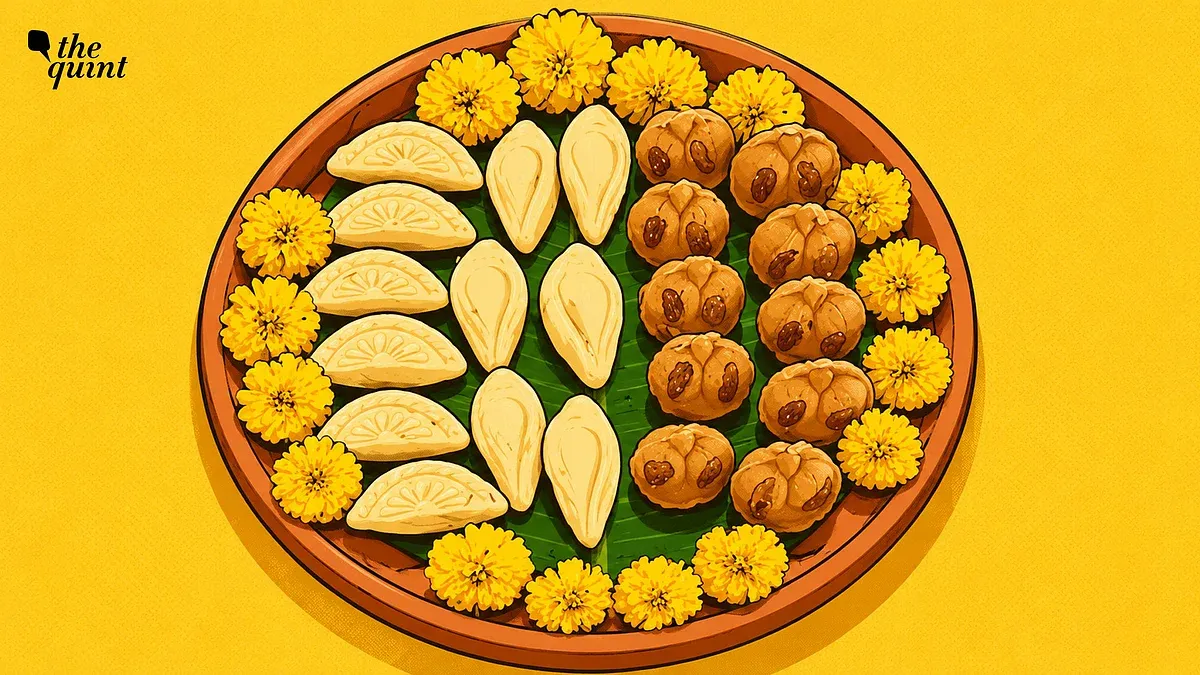
These articles explore aspects of Bengali culinary culture, focusing on traditional dishes and sweets. One discusses indigenous foods from Birbhum and their absence in Rabindranath Tagore's recorded diet, highlighting his experimental approach to meals at Santiniketan. The other examines the cultural and historical significance of the Bengali sweet sondesh, including government-imposed restrictions in 1965 that affected its production amid milk shortages, reflecting broader themes of cultural memory and artisanal livelihoods.

Sentiment
40%
TBN's observations

First-hand measurement across 2 sources

We measured how 2 outlets covered this story. No outlet gave this story a measurable political slant — there is no left–right reading to report. Overall sentiment is neutral (40/100). Lens Score 32/100.

Outlets measured: thequint, thetelegraph. See how each one headlined and framed the same story in the source comparison below.

AI analysis of 2 sources · Published under editorial oversight by The Balanced News
Analysed 29 Nov 2026· How this analysis is produced· Editorial standards· Corrections

AI Analysis

Sentiment — Neutral (40/100)

Sentiment was consistent across outlets (28–52/100), indicating broadly factual reporting rather than editorialising.

Coverage timeline

thetelegraph broke this story on 29 Nov, 02:59 am. Other outlets followed.

29 Nov, 02:59 am2 sources · 1 min29 Nov, 03:00 am
  1. 1
AI analysis by the TBN Bias Engine · beat methodology byAniket Awate· Culture & Digital Media Writer· editorial standards byOjas Kale
← Previous
Navi Mumbai Pipeline Project Threatens 249 Trees, Raises Environmental Concerns
Next →
Maharashtra's Tamasha Folk Theatre Faces Financial and Livelihood Challenges
thetelegraph29 Nov, 02:59 am
Artifice on a plate
  • 2
    thequint29 Nov, 03:00 am
    Bittersweet Politics of the Bengali Sondesh: Scarcity, Excess, Cultural Memory
  • Who's involved

    Institutions and figures named across source coverage.

    Government
    Government of West Bengal

    Story context

    Category
    Social
    Location
    West Bengal, India
    Sources analysed
    2
    Last analysed
    29 Nov 2026
    Key entities
    MilkBengalStates and union territories of IndiaLeela MajumdarBirbhum districtRabindranath TagoreAdivasiSantiniketanMaitreyi DeviAshramPoetIndigenous peoples of the Americas