Skip to content
Get the Balanced News app for a better experience!
The Balanced News Logo
Analytics
The Balanced News Logo

Stay Balanced, Stay Informed

Menu
  • Browse News
  • Underreported Stories
  • Curated Feeds
  • Insights
  • Analytics
  • Our Writers
  • About Us
  • Download App
Learn
  • How It Works
  • Bias Detection
  • Lens Score
  • Source Bias Checker
  • Accountability
  • Custom Feeds
Newsroom
  • Writers & Analysts
  • About TBN
  • Editorial Standards
  • Corrections Policy
  • Our Partners
  • Insights
Socials
  • Youtube
  • Instagram
  • X
  • Facebook
News Categories
  • Trending
  • Politics
  • Sports
  • Business
  • Tech
  • Entertainment
  • Health
  • Science
  • Crime
  • Lifestyle
  • National
  • International
  • Good News
  • Crypto

Get Our App

Available for iOS and Android


LensFeedsInsightsAnalyticsTrendingGood NewsSportsPoliticsBusinessCrimeTechEntertainmentHealthNationalInternational

© 2026 The Balanced News. All rights reserved.

About UsEditorial StandardsCorrectionsHelp & SupportPrivacy PolicyTerms & Conditions
Study Finds Minnesota Gray Wolves Impact Beaver Pond Formation and Wetlands
Categories

Categories

Related Coverage

Select a news story to see related coverage from other media outlets.

Related Coverage

Select a news story to see related coverage from other media outlets.

  1. Home
  2. /
  3. Social

Study Finds Minnesota Gray Wolves Impact Beaver Pond Formation and Wetlands

Analysed 25 Nov 2026·2 sources analysed·Minnesota, United States·Social
Study Finds Minnesota Gray Wolves Impact Beaver Pond Formation and WetlandsPreviousNext

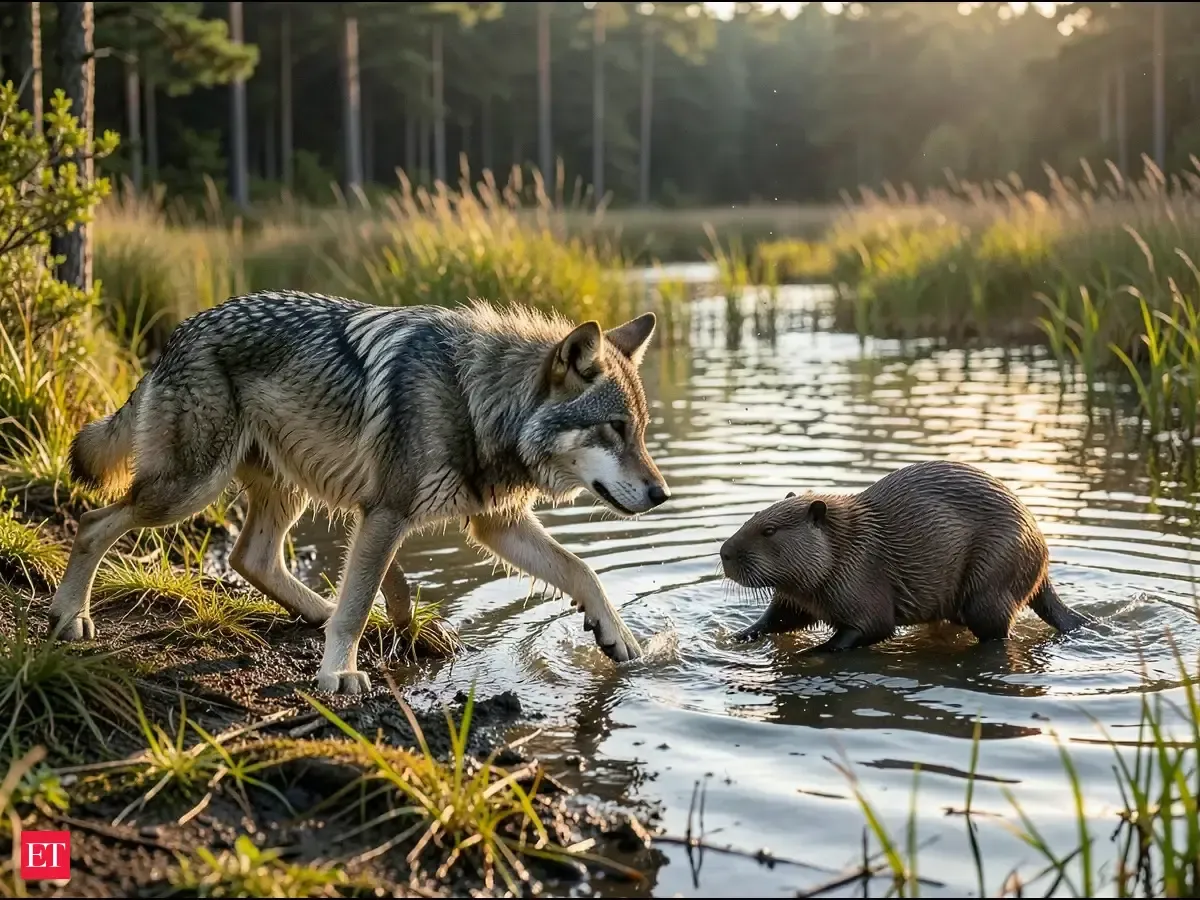
Scientists from the Voyageurs Wolf Project studied Minnesota's gray wolves and found their hunting of beavers disrupts the formation and maintenance of about 88 ponds annually in the Greater Voyageurs Ecosystem. Beavers act as ecosystem engineers by building dams that create wetlands and store water. When wolves reduce beaver populations, ponds cease to be active, affecting wetland ecosystems and the storage of over 51 million gallons of water. The five-year study highlights predator-prey interactions influencing wetland dynamics.

Sentiment
50%
TBN's observations

First-hand measurement across 2 sources

We measured how 2 outlets covered this story. No outlet gave this story a measurable political slant — there is no left–right reading to report. Overall sentiment is neutral (50/100). Lens Score 33/100.

Outlets measured: economictimes, economictimes. See how each one headlined and framed the same story in the source comparison below.

AI analysis of 2 sources · Published under editorial oversight by The Balanced News
Analysed 25 Nov 2026· How this analysis is produced· Editorial standards· Corrections

AI Analysis

Sentiment — Neutral (50/100)

Sentiment was consistent across outlets (50–50/100), indicating broadly factual reporting rather than editorialising.

Coverage timeline

economictimes broke this story on 25 Nov, 02:21 pm. Other outlets followed.

25 Nov, 02:21 pm2 sources · 15 min25 Nov, 02:36 pm
AI analysis by the TBN Bias Engine · beat methodology byAniket Awate· Culture & Digital Media Writer· editorial standards byOjas Kale
← Previous
Study Finds Sea Otters Reduce Erosion in California's Coastal Wetlands by 69%
Next →
Bhopal Reports Rise in TB Cases as India Sees Decline in TB Deaths
  1. 1
    economictimes25 Nov, 02:21 pm
    Minnesota's gray wolves are doing way more than hunting beavers in Voyageurs National Park. Scientists say they alter the formation of 88 ponds annually and affect the storage of over 51 million gallons of water
  2. 2
    economictimes25 Nov, 02:36 pm
    Minnesota's gray wolves are doing way more than hunting beavers in Voyageurs National Park. Scientists say they alter the formation of 88 ponds annually and affect the storage of over 51 million gallons of water

Story context

Category
Social
Location
Minnesota, United States
Sources analysed
2
Last analysed
25 Nov 2026
Key entities
WolfVoyageursWetlandBeaverPondHuntingPredationMinnesotaVoyageurs National ParkDamEcosystem engineerBoreal ecosystem