Debate on Timing and Regional Bias in National Recognition of South Indian Artists
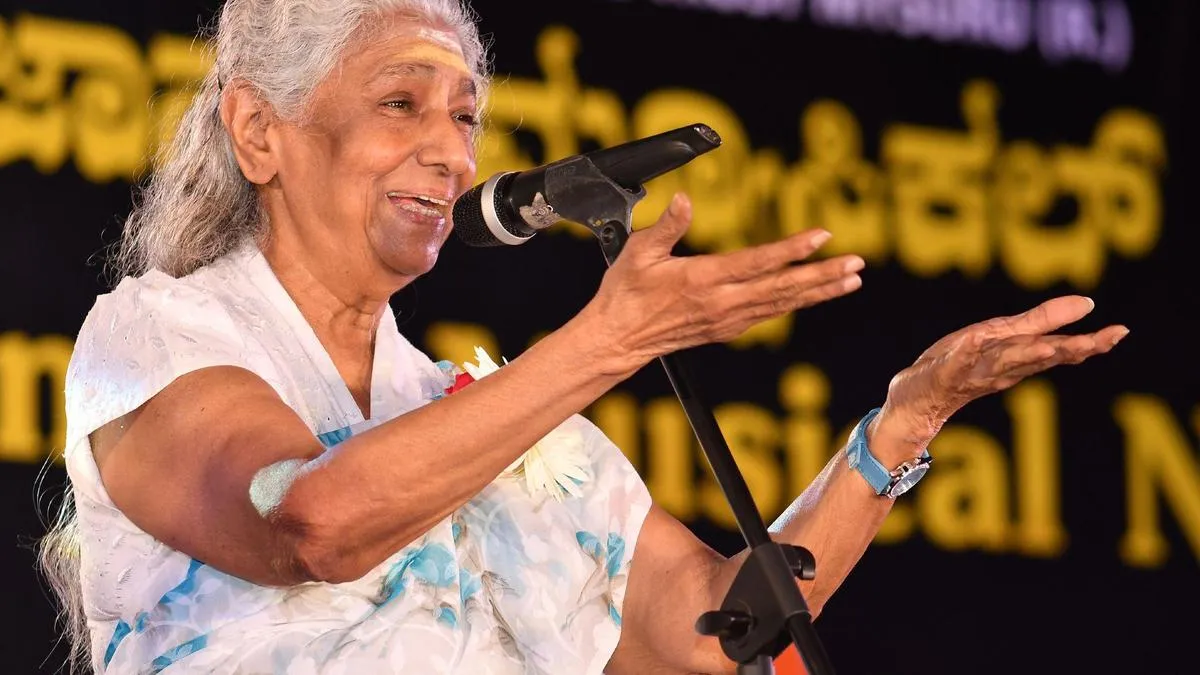
The death of legendary singer S. Janaki has reignited debate over whether South Indian artists receive national recognition, such as the Padma Awards and Jnanpith Award, belatedly or inadequately. Janaki declined the Padma Bhushan, citing late acknowledgment, and critics argue that regional biases favor artists from northern India, particularly those connected to cultural centers like Delhi and Mumbai. Scholars T.M. Krishna and A.R. Venkatachalapathy discuss the political and regional influences affecting award selections and the complexities of honoring diverse artistic traditions across India.
First-hand measurement across 2 sources
We measured how 2 outlets covered this story. Coverage leans balanced overall (Left 45%, Centre 55%, Right 0%). Overall sentiment is neutral (42/100). Lens Score 26/100 — low public interest.
Outlets analysed (first-hand measurement by TBN's Bias Engine):
- thehindu— left-leaning framing, neutral sentiment
- thehindu— balanced framing, neutral sentiment
AI Analysis
The articles present perspectives highlighting potential regional and political biases in national awards, particularly favoring northern India and political considerations influencing selections. Voices from South Indian artists and scholars emphasize systemic imbalances, while the discussion acknowledges the complexity of award processes without definitive conclusions, reflecting a range of viewpoints on cultural and political factors.
The overall tone is reflective and critical, focusing on concerns about delayed recognition and possible biases without overt negativity. The discussion is analytical, featuring respectful debate on the fairness and timing of awards, with an emphasis on understanding systemic issues rather than assigning blame, resulting in a measured and thoughtful sentiment.
How 2 sources covered this story
Each source's own headline, political lean, and sentiment — so you can see framing differences at a glance.