UN Food Agency Reports Iran War Driving Millions into Food Insecurity
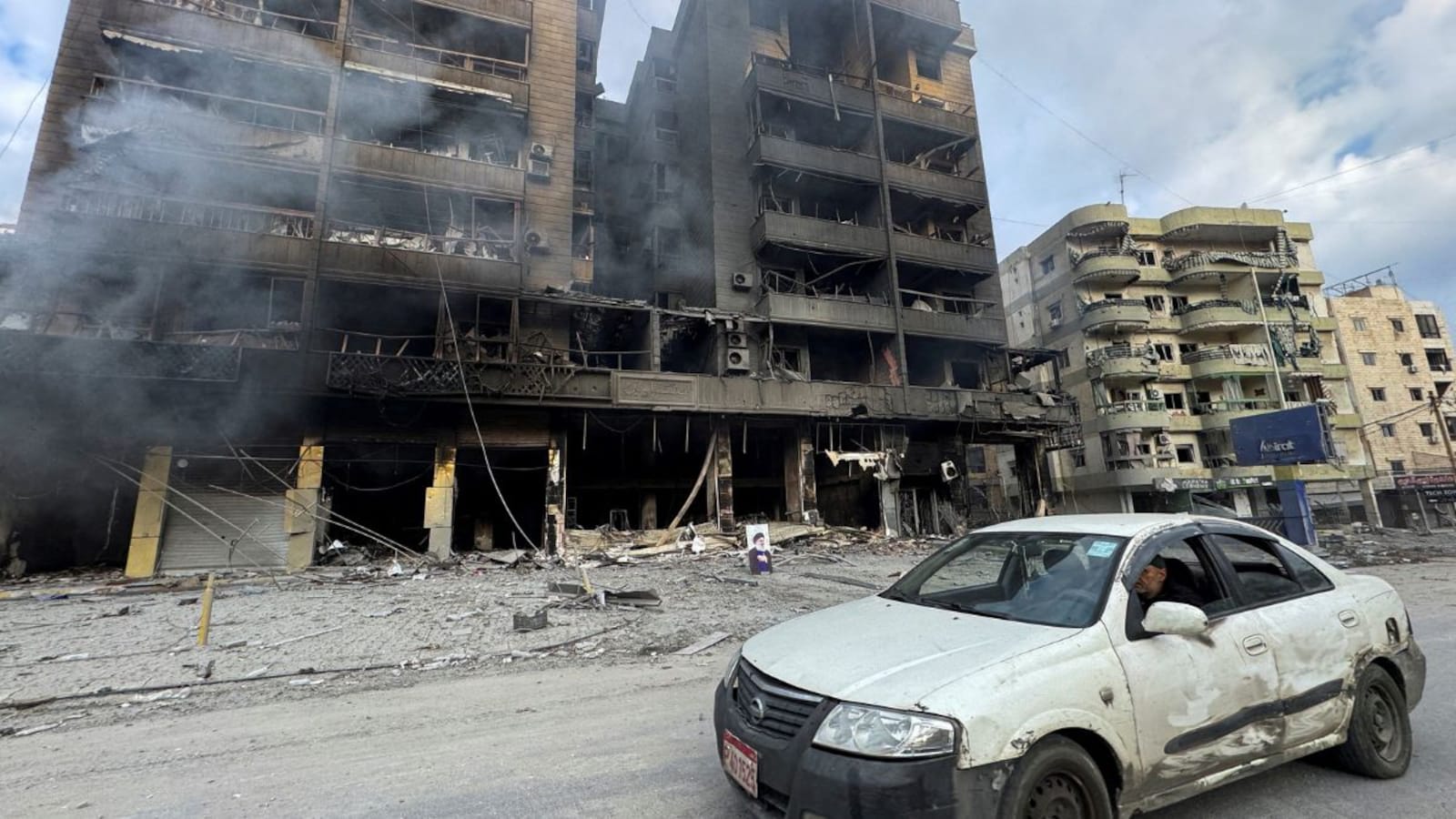
The UN World Food Program (WFP) reports that the Iran war is pushing millions into acute hunger, with an additional 2.5 million in Somalia, 2.3 million in Afghanistan, and 1.3 million in Sri Lanka struggling to meet basic food needs. WFP warns that rising food and fuel prices, linked to the Middle East crisis, are worsening global food insecurity, which already affects 318 million people. The agency urges increased donor funding amid aid limitations, highlighting ongoing risks even if the conflict de-escalates.
First-hand measurement across 3 sources
We measured how 3 outlets covered this story. Coverage leans balanced overall (Left 23%, Centre 75%, Right 2%). Overall sentiment is negative (30/100). Lens Score 28/100 — low public interest.
Outlets analysed (first-hand measurement by TBN's Bias Engine):
- thehindu— balanced framing, negative sentiment
- businessstandard— balanced framing, negative sentiment
- ndtv— balanced framing, negative sentiment
AI Analysis
The articles present the UN World Food Program's perspective on the humanitarian impact of the Iran war without political commentary. They focus on the agency's data and warnings, reflecting a humanitarian and development viewpoint. The coverage includes references to other global food insecurity hotspots, maintaining a neutral stance without attributing blame or political analysis.
The overall tone is serious and cautionary, emphasizing the worsening food insecurity linked to the Iran conflict and high energy prices. While the sentiment is negative due to the humanitarian concerns, it remains factual and measured, focusing on the need for donor support and the potential for further deterioration rather than emotional or sensational language.
How 3 sources covered this story
Each source's own headline, political lean, and sentiment — so you can see framing differences at a glance.