Indian Farmers Adopt Direct Seeded Rice Amid El Niño Climate Challenges
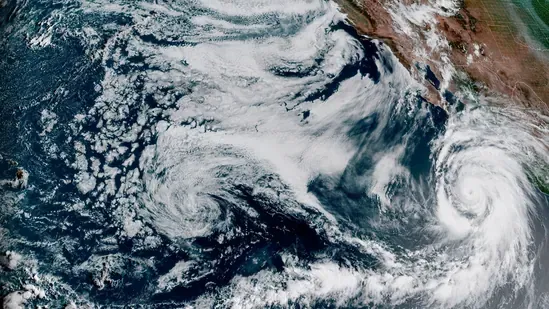
India faces increasing climate variability with the potential return of El Niño, which may weaken monsoon rains and disrupt traditional rice farming. Farmers like Majji Satyam in Andhra Pradesh are adopting Direct Seeded Rice (DSR), a method that skips nursery transplantation and reduces water dependency, as a climate-smart alternative. This shift addresses challenges posed by erratic rainfall and delayed monsoons, aiming to improve crop resilience amid changing weather patterns affecting key rice-producing regions.
First-hand measurement across 2 sources
We measured how 2 outlets covered this story. Coverage leans balanced overall (Left 0%, Centre 100%, Right 0%). Overall sentiment is neutral (65/100). Lens Score 26/100 — low public interest.
Outlets analysed (first-hand measurement by TBN's Bias Engine):
- hindustantimes— balanced framing, positive sentiment
- businessstandard— balanced framing, neutral sentiment
AI Analysis
The articles present a largely neutral perspective focusing on agricultural adaptation to climate variability without political framing. They highlight farmer experiences and scientific forecasts without attributing responsibility or policy critique. The coverage emphasizes practical responses to environmental challenges, reflecting perspectives from farmers, meteorological data, and agricultural initiatives without partisan bias.
The overall tone is cautiously optimistic, acknowledging the risks posed by El Niño and erratic monsoon patterns while highlighting adaptive strategies like Direct Seeded Rice. The sentiment balances concern over climate impacts with positive examples of innovation and resilience among farmers, avoiding alarmism or undue negativity.
How 2 sources covered this story
Each source's own headline, political lean, and sentiment — so you can see framing differences at a glance.