Skip to content
Get the Balanced News app for a better experience!
The Balanced News Logo
Analytics
The Balanced News Logo

Stay Balanced, Stay Informed

Menu
  • Browse News
  • Underreported Stories
  • Curated Feeds
  • Insights
  • Analytics
  • Our Writers
  • About Us
  • Download App
Learn
  • How It Works
  • Bias Detection
  • Lens Score
  • Source Bias Checker
  • Accountability
  • Custom Feeds
Newsroom
  • Writers & Analysts
  • About TBN
  • Editorial Standards
  • Corrections Policy
  • Our Partners
  • Insights
Socials
  • Youtube
  • Instagram
  • X
  • Facebook
News Categories
  • Trending
  • Politics
  • Sports
  • Business
  • Tech
  • Entertainment
  • Health
  • Science
  • Crime
  • Lifestyle
  • National
  • International
  • Good News
  • Crypto

Get Our App

Available for iOS and Android


LensFeedsInsightsAnalyticsTrendingGood NewsSportsPoliticsBusinessCrimeTechEntertainmentHealthNationalInternational

© 2026 The Balanced News. All rights reserved.

About UsEditorial StandardsCorrectionsHelp & SupportPrivacy PolicyTerms & Conditions
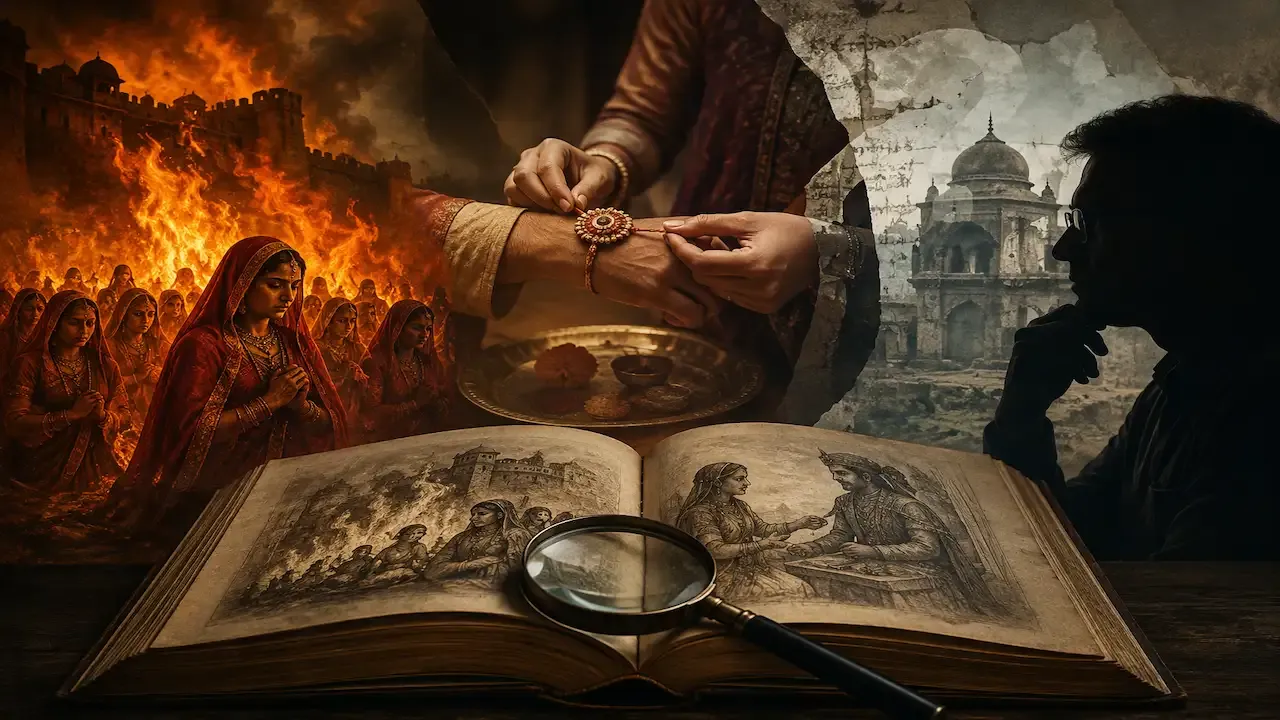
Historical Context and Contemporary Debate on Jauhar and Women’s Choices During Invasions
Categories

Categories

Related Coverage

Select a news story to see related coverage from other media outlets.

Related Coverage

Select a news story to see related coverage from other media outlets.

  1. Home
  2. /
  3. Social

Historical Context and Contemporary Debate on Jauhar and Women’s Choices During Invasions

Analysed 4 Sept 2026·2 sources analysed·Sindh, Pakistan·Social
Historical Context and Contemporary Debate on Jauhar and Women’s Choices During InvasionsPreviousNext

Historical accounts describe Jauhar as a desperate choice by Rajput and Sindh women facing invasion and potential enslavement or sexual exploitation by conquering armies, notably during Muhammad bin Qasim's 712 AD conquest of Sindh. Scholars like K.S. Lal document large-scale captivity and harsh treatment of women by invaders. Contemporary debates, including critiques of the film Padmaavat, question the portrayal of Jauhar, emphasizing the need to understand these women's decisions within their historical context rather than modern perspectives.

Sentiment
39%
TBN's observations

First-hand measurement across 2 sources

We measured how 2 outlets covered this story. No outlet gave this story a measurable political slant — there is no left–right reading to report. Overall sentiment is negative (39/100). Lens Score 30/100.

Outlets measured: timesnow, indiatoday. See how each one headlined and framed the same story in the source comparison below.

AI analysis of 2 sources · Published under editorial oversight by The Balanced News
Analysed 4 Sept 2026· How this analysis is produced· Editorial standards· Corrections

AI Analysis

Sentiment — Negative (39/100)

Sentiment was consistent across outlets (28–50/100), indicating broadly factual reporting rather than editorialising.

Coverage timeline

indiatoday broke this story on 4 Sept, 01:31 am. Other outlets followed.

4 Sept, 01:31 am2 sources · 63 min4 Sept, 02:34 am
  1. 1
AI analysis by the TBN Bias Engine · beat methodology byAniket Awate· Culture & Digital Media Writer· editorial standards byOjas Kale
← Previous
Pune Introduces Revised Auto-Rickshaw Fares with Night and Luggage Surcharges
Next →
Gurugram Road Safety Panel Reviews Crash-Prone Sites and Approves New Foot-Over-Bridge
indiatoday4 Sept, 01:31 am
Why Jauhar? Women of Sindh explained why they chose fire as Qasim invaded in 712 AD
  • 2
    timesnow4 Sept, 02:34 am
    Jauhar, Rakhi, and the Art of Misreading and Misleading History
  • Story context

    Category
    Social
    Location
    Sindh, Pakistan
    Sources analysed
    2
    Last analysed
    4 Sept 2026
    Key entities
    JauharMuhammad ibn al-QasimMuslimsEarly Muslim conquestsAl-Hajjaj ibn YusufSindhSlaveryRajputSexual slaveryMuhammad of GhorDebalMedieval India