Skip to content
Get the Balanced News app for a better experience!
The Balanced News Logo
Analytics
The Balanced News Logo

Stay Balanced, Stay Informed

Menu
  • Browse News
  • Underreported Stories
  • Curated Feeds
  • Insights
  • Analytics
  • Our Writers
  • About Us
  • Download App
Learn
  • How It Works
  • Bias Detection
  • Lens Score
  • Source Bias Checker
  • Accountability
  • Custom Feeds
Newsroom
  • Writers & Analysts
  • About TBN
  • Editorial Standards
  • Corrections Policy
  • Our Partners
  • Insights
Socials
  • Youtube
  • Instagram
  • X
  • Facebook
News Categories
  • Trending
  • Politics
  • Sports
  • Business
  • Tech
  • Entertainment
  • Health
  • Science
  • Crime
  • Lifestyle
  • National
  • International
  • Good News
  • Crypto

Get Our App

Available for iOS and Android


LensFeedsInsightsAnalyticsTrendingGood NewsSportsPoliticsBusinessCrimeTechEntertainmentHealthNationalInternational

© 2026 The Balanced News. All rights reserved.

About UsEditorial StandardsCorrectionsHelp & SupportPrivacy PolicyTerms & Conditions
UN Forecasts Strong El Nino to Peak in December, Last Through February 2027
Categories

Categories

Related Coverage

Select a news story to see related coverage from other media outlets.

Related Coverage

Select a news story to see related coverage from other media outlets.

  1. Home
  2. /
  3. Social

UN Forecasts Strong El Nino to Peak in December, Last Through February 2027

Analysed 8 Oct 2026·4 sources analysed·United States·Social
UN Forecasts Strong El Nino to Peak in December, Last Through February 2027PreviousNext

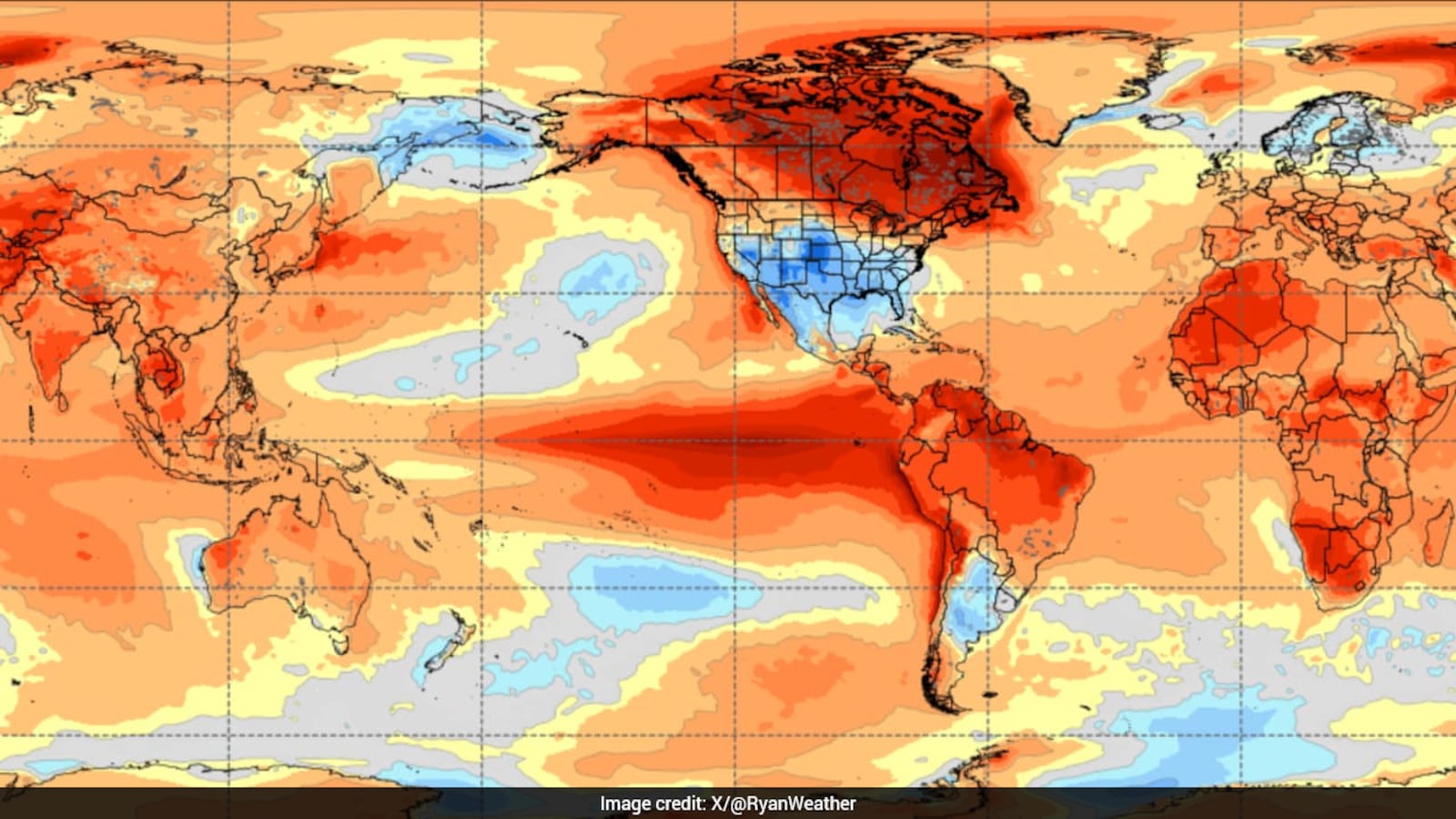
The United Nations' World Meteorological Organization (WMO) forecasts that the El Nino weather phenomenon will intensify and peak in December 2026, with sea surface temperatures in the central and eastern tropical Pacific expected to reach a record 3.7°C above normal. This event, likely to last through February 2027, could be among the strongest since 1950, impacting global temperatures and rainfall patterns, increasing risks of droughts and floods worldwide. Experts note it will compound climate change effects and disrupt economies and ecosystems.

Sentiment
35%
TBN's observations

First-hand measurement across 4 sources

We measured how 4 outlets covered this story. No outlet gave this story a measurable political slant — there is no left–right reading to report. Overall sentiment is negative (35/100). Lens Score 42/100.

Outlets measured: ndtv, thetelegraph, economictimes, ndtv. See how each one headlined and framed the same story in the source comparison below.

AI analysis of 4 sources · Published under editorial oversight by The Balanced News
Analysed 8 Oct 2026· How this analysis is produced· Editorial standards· Corrections

AI Analysis

Sentiment — Negative (35/100)

Sentiment was consistent across outlets (28–42/100), indicating broadly factual reporting rather than editorialising.

Coverage timeline

ndtv broke this story on 8 Oct, 06:34 am. Other outlets followed.

8 Oct, 06:34 am4 sources · 3 h8 Oct, 09:29 am
AI analysis by the TBN Bias Engine · beat methodology byAniket Awate· Culture & Digital Media Writer· editorial standards byOjas Kale
← Previous
British Tourist Challenges Negative Social Media Stereotypes About India
Next →
Actor Sumeet Raghvan Highlights Littering at Himachal Pradesh's Tattapani Hot Springs
  1. 1
    ndtv8 Oct, 06:34 am
    El Nino Will Intensify, Then Peak In December, United Nations Warns
  2. 2
    economictimes8 Oct, 07:38 am
    El Nino could rank among strongest since 1950, peak in December, last through February: UN body
  3. 3
    thetelegraph8 Oct, 09:29 am
    El Niño set to intensify before December peak, last until February 2027, says UN weather body
  4. 4
    ndtv8 Oct, 09:29 am
    "Earth Almost Entirely In Red": Warnings As "Super-Duper El Nino" Intensifies

Who's involved

Institutions and figures named across source coverage.

Government
World Meteorological Organization

Story context

Category
Social
Location
United States
Sources analysed
4
Last analysed
8 Oct 2026
Key entities
World Meteorological OrganizationEl NiñoUnited NationsPacific OceanDroughtTropicsSea surface temperatureKöppen climate classificationIndiaCelsiusClimate variability and changeEl Niño–Southern Oscillation