Commemorating Ronald Ross's Malaria Discovery and India's Mosquito-Borne Disease Efforts
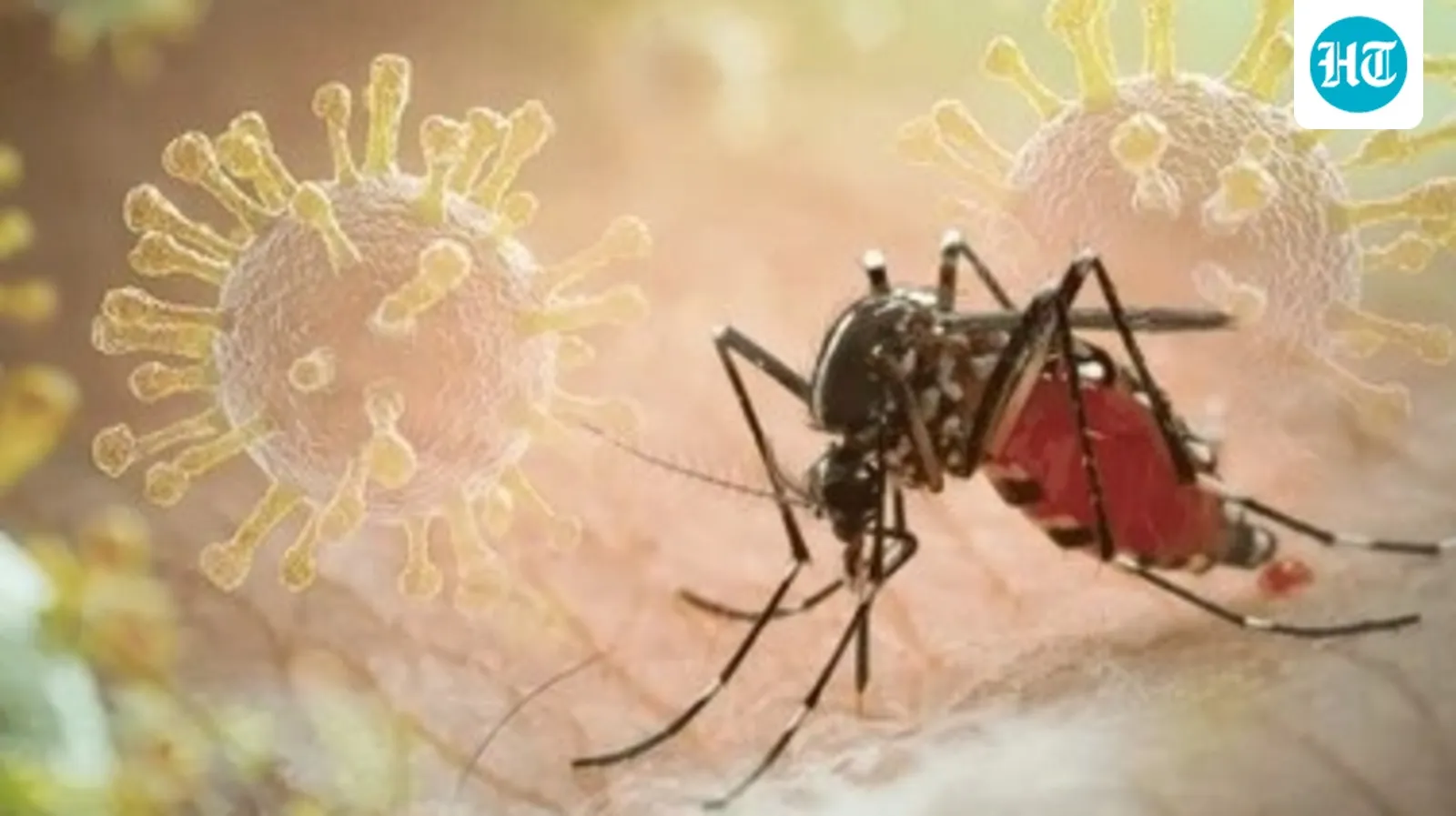
World Mosquito Day on August 20 commemorates British doctor Ronald Ross's 1897 discovery in Secunderabad that female Anopheles mosquitoes transmit malaria. This breakthrough transformed malaria prevention by targeting mosquitoes alongside treatment. India's ongoing fight against mosquito-borne diseases includes micro-planning and vector control aiming for malaria elimination by 2030. The contributions of Kishori Mohan Bandyopadhyay, Ross's research assistant, who also advanced malaria control, have been recognized historically though less widely known. These efforts highlight the intertwined public health and urban planning responses to mosquito-borne illnesses in India.
First-hand measurement across 4 sources
We measured how 4 outlets covered this story. No outlet gave this story a measurable political slant — there is no left–right reading to report. Overall sentiment is positive (63/100). Lens Score 38/100.
Outlets measured: hindustantimes, thehindu, firstpost, thetelegraph. See how each one headlined and framed the same story in the source comparison below.
AI Analysis
Sentiment was consistent across outlets (52–72/100), indicating broadly factual reporting rather than editorialising.
Coverage timeline
thetelegraph broke this story on 20 Aug, 02:52 am. Other outlets followed.