WHO Chief Visits Congo Amid Rapid Spread of Rare Ebola Outbreak in Region
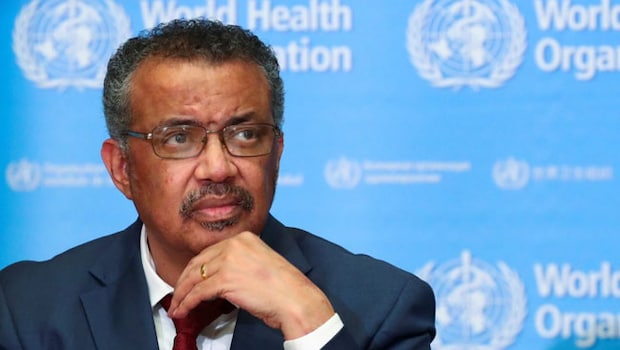
The World Health Organization (WHO) Director-General Tedros Adhanom Ghebreyesus visited Bunia in eastern Democratic Republic of Congo, the epicenter of a rapidly spreading Ebola outbreak caused by the rare Bundibugyo strain. Over 1,000 suspected cases and more than 220 deaths have been reported in Congo, with nine cases and one death confirmed in neighboring Uganda. The outbreak lacks approved vaccines or treatments, complicating containment amid insecurity and community distrust. WHO urges safe burials, community engagement, and cautions against travel bans that may hinder response efforts. International aid, including from the US and EU, is increasing, while WHO accelerates vaccine and drug research to control the outbreak.
First-hand measurement across 10 sources
We measured how 10 outlets covered this story. Coverage leans balanced overall (Left 0%, Centre 100%, Right 0%). Overall sentiment is neutral (44/100). Lens Score 27/100 — low public interest.
Outlets analysed (first-hand measurement by TBN's Bias Engine):
- firstpost— balanced framing, neutral sentiment
- theprint— balanced framing, neutral sentiment
- timesnow— balanced framing, negative sentiment
- mint— balanced framing, neutral sentiment
- theprint— balanced framing, neutral sentiment
- thehindu— balanced framing, neutral sentiment
- news18— balanced framing, neutral sentiment
- ndtv— balanced framing, neutral sentiment
AI Analysis
The article group presents a range of perspectives focused on public health and international response without partisan framing. Sources emphasize WHO leadership, government cooperation, and community roles, while highlighting challenges like insecurity and funding gaps. There is balanced coverage of affected countries’ situations and international aid, with no evident political bias favoring any party or ideology.
The overall tone is serious and cautious, reflecting concern over the outbreak's rapid spread and challenges in containment. While acknowledging progress such as increased aid and WHO engagement, the coverage underscores difficulties like lack of approved treatments, community distrust, and resource shortfalls. The sentiment is mixed, combining urgency and hope with recognition of ongoing obstacles.