Study Links Long COVID Symptoms to Dopamine Neuron Injury in Brain
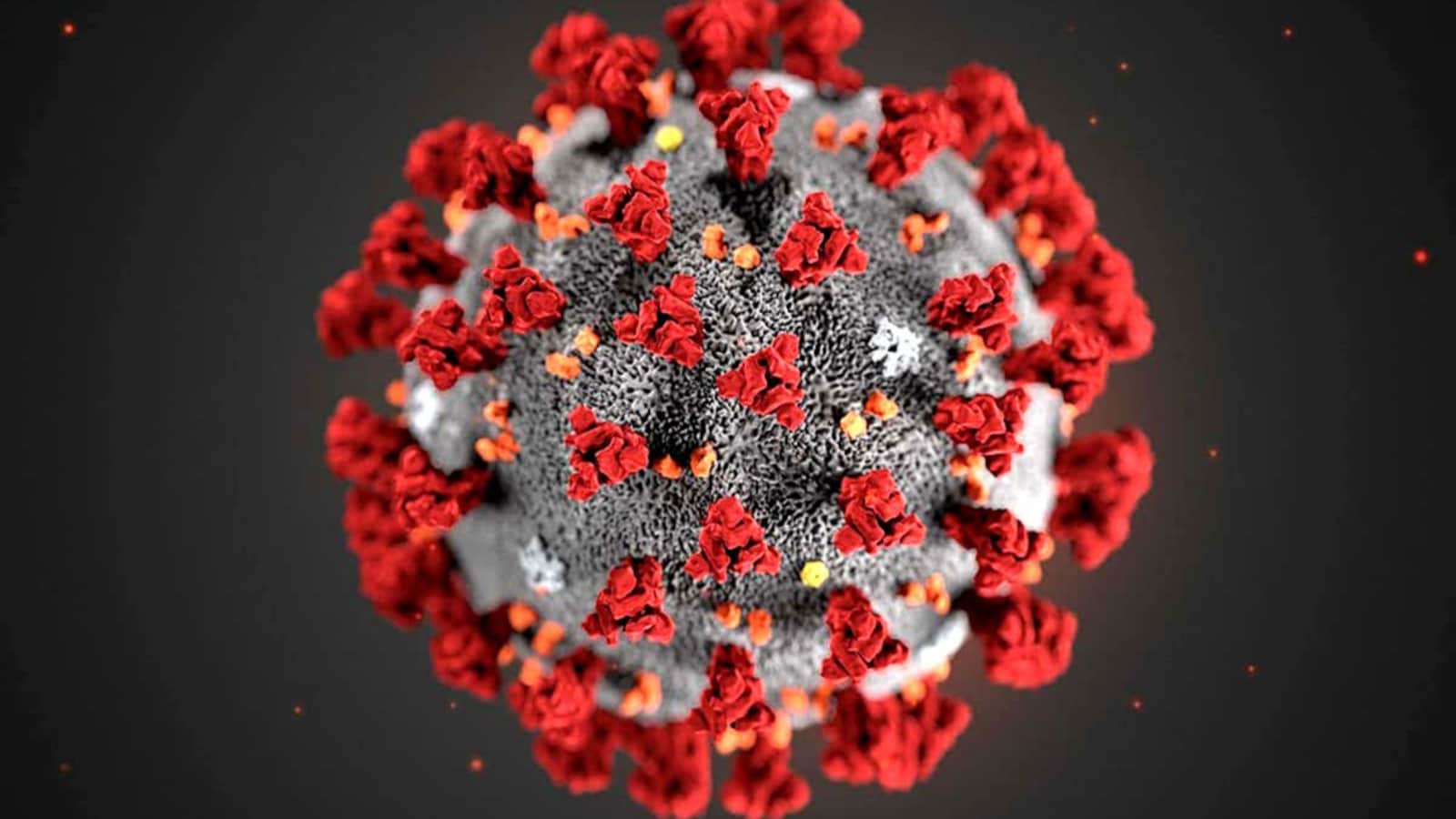
A recent study published in eBioMedicine provides strong evidence that long COVID may involve injury to dopamine-producing neurons in the brain. Researchers at Canada's Centre for Addiction and Mental Health used PET imaging to compare 24 long COVID patients with 43 healthy individuals, finding reduced dopamine markers linked to symptoms like motivation loss, slowed movement, and memory issues. This suggests long COVID could partly be a dopamine-related brain disorder, shifting focus from inflammation to new treatment possibilities targeting these neurons.
First-hand measurement across 2 sources
We measured how 2 outlets covered this story. Coverage leans balanced overall (Left 0%, Centre 100%, Right 0%). Overall sentiment is neutral (65/100). Lens Score 28/100 — low public interest.
Outlets analysed (first-hand measurement by TBN's Bias Engine):
- ndtv— balanced framing, neutral sentiment
- thetribune— balanced framing, neutral sentiment
AI Analysis
The articles present a scientific study without political framing, focusing on medical research findings from a Canadian institution. Both sources emphasize the neurological aspects of long COVID and potential treatment implications, maintaining a neutral stance without political commentary or partisan perspectives.
The tone across the articles is neutral and informative, highlighting new research findings and their potential to improve understanding and treatment of long COVID. There is no emotional or sensational language, and the coverage is balanced, focusing on scientific evidence and its implications.
How 2 sources covered this story
Each source's own headline, political lean, and sentiment — so you can see framing differences at a glance.