Racism in Football Highlighted by 2026 World Cup Incidents and Structural Issues
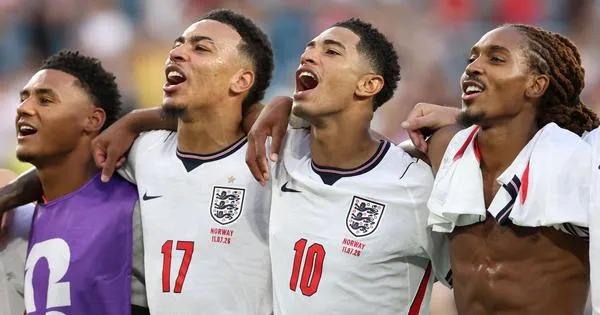
Recent incidents at the 2026 FIFA World Cup have brought renewed attention to racism in football, highlighting both overt abuse and deeper structural issues. In global football, stereotypes about Black athletes, especially from Africa, persist in player recruitment and academy practices, often framed as empowerment but reinforcing racial biases. Meanwhile, Argentina faces criticism for racist chants targeting players of African descent, reflecting broader societal issues linked to colonial history and racial exclusion. These events underscore ongoing challenges of racism within football cultures worldwide.
First-hand measurement across 2 sources
We measured how 2 outlets covered this story. Coverage leans left-leaning overall (Left 70%, Centre 28%, Right 2%). Overall sentiment is negative (32/100). Lens Score 29/100 — low public interest.
Outlets analysed (first-hand measurement by TBN's Bias Engine):
- wion— left-leaning framing, negative sentiment
- scrollin— left-leaning framing, neutral sentiment
AI Analysis
The articles present perspectives focusing on systemic racism in football and specific national contexts, such as Argentina's societal challenges. They include sociological research and examples of fan behavior without endorsing political positions. The coverage reflects critical views on racial stereotypes and exclusion, emphasizing structural and cultural factors rather than partisan narratives.
The tone across the articles is predominantly critical and concerned, addressing racism's persistence and impact in football. While acknowledging efforts framed as empowerment, the coverage highlights negative experiences and controversies, including racist chants and exclusion. The sentiment is serious and reflective, aiming to raise awareness rather than celebrate or condemn individuals.
How 2 sources covered this story
Each source's own headline, political lean, and sentiment — so you can see framing differences at a glance.