Skip to content
Get the Balanced News app for a better experience!
The Balanced News Logo
Analytics
The Balanced News Logo

Stay Balanced, Stay Informed

Menu
  • Browse News
  • Underreported Stories
  • Curated Feeds
  • Insights
  • Analytics
  • Our Writers
  • About Us
  • Download App
Learn
  • How It Works
  • Bias Detection
  • Lens Score
  • Source Bias Checker
  • Accountability
  • Custom Feeds
Newsroom
  • Writers & Analysts
  • About TBN
  • Editorial Standards
  • Corrections Policy
  • Our Partners
  • Insights
Socials
  • Youtube
  • Instagram
  • X
  • Facebook
News Categories
  • Trending
  • Politics
  • Sports
  • Business
  • Tech
  • Entertainment
  • Health
  • Science
  • Crime
  • Lifestyle
  • National
  • International
  • Good News
  • Crypto

Get Our App

Available for iOS and Android


LensFeedsInsightsAnalyticsTrendingGood NewsSportsPoliticsBusinessCrimeTechEntertainmentHealthNationalInternational

© 2026 The Balanced News. All rights reserved.

About UsEditorial StandardsCorrectionsHelp & SupportPrivacy PolicyTerms & Conditions
Introduced Plants Become Invasive Across Multiple Countries, Impacting Ecosystems and Agriculture
Categories

Categories

Related Coverage

Select a news story to see related coverage from other media outlets.

Related Coverage

Select a news story to see related coverage from other media outlets.

  1. Home
  2. /
  3. Social

Introduced Plants Become Invasive Across Multiple Countries, Impacting Ecosystems and Agriculture

Analysed 20 Oct 2026·5 sources analysed·Virginia, United States·Social
Introduced Plants Become Invasive Across Multiple Countries, Impacting Ecosystems and AgriculturePreviousNext

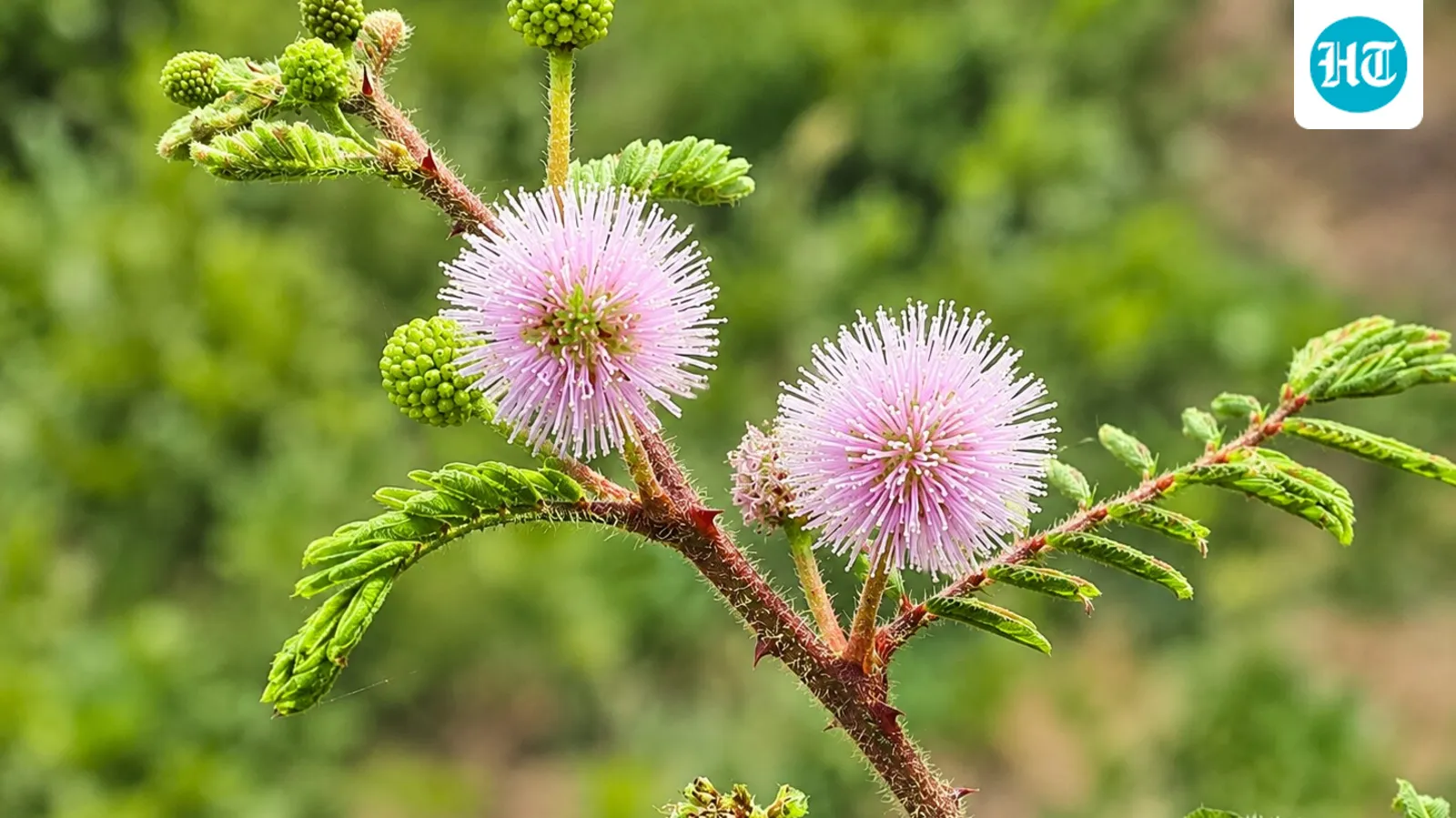
Several plants introduced worldwide for agricultural or environmental benefits have become invasive, spreading widely and impacting ecosystems and farming. Thailand's giant mimosa, introduced in 1947, now covers over 30 Mekong floodplains, reducing farmland and obstructing irrigation. Australia's prickly acacia, brought for shade and fodder in the 1890s, infests over 6.6 million hectares, affecting pasture and native plants. Ethiopia's Prosopis spread rapidly since the 1970s, causing significant ecosystem-service losses. In the US, bicolor lespedeza, planted from the 1930s for erosion control, now covers over 115,000 forest acres, illustrating unintended ecological consequences of introduced species.

Sentiment
47%
TBN's observations

First-hand measurement across 5 sources

We measured how 5 outlets covered this story. No outlet gave this story a measurable political slant — there is no left–right reading to report. Overall sentiment is neutral (47/100). Lens Score 39/100.

Outlets measured: hindustantimes, hindustantimes, hindustantimes, hindustantimes, hindustantimes. See how each one headlined and framed the same story in the source comparison below.

AI analysis of 5 sources · Published under editorial oversight by The Balanced News
Analysed 20 Oct 2026· How this analysis is produced· Editorial standards· Corrections

AI Analysis

Sentiment — Neutral (47/100)

Sentiment was consistent across outlets (42–50/100), indicating broadly factual reporting rather than editorialising.

Coverage timeline

hindustantimes broke this story on 20 Oct, 02:40 am. Other outlets followed.

20 Oct, 02:40 am5 sources · 2 h20 Oct, 04:52 am
AI analysis by the TBN Bias Engine · beat methodology byAniket Awate· Culture & Digital Media Writer· editorial standards byOjas Kale
← Previous
Debate Continues Over Health Impacts and Definition of Ultraprocessed Foods
Next →
Maharashtra Farmer Dies by Suicide Amid Crop Failure and Medical Fee Burden
  1. 1
    hindustantimes20 Oct, 02:40 am
    In the 1930s, US agencies planted bicolor lespedeza for erosion control and wildlife habitat; it later reached an estimated 115,550 forest acres
  2. 2
    hindustantimes20 Oct, 03:39 am
    In Ethiopia, Prosopis spread by 31,127 hectares a year; researchers linked it to 602 million in ecosystem-service losses over 31 years
  3. 3
    hindustantimes20 Oct, 03:58 am
    Thailand introduced giant mimosa for farming; it spread across over 30 of Mekong floodplains, while waterbird numbers fell 27 at one wetland
  4. 4
    hindustantimes20 Oct, 04:27 am
    Australia brought in prickly acacia for shade and fodder; it now infests more than 6.6 million hectares
  5. 5
    hindustantimes20 Oct, 04:52 am
    Australia brought in the giant sensitive plant as an ornamental curiosity; it has affected 140,000 hectares, with 4.6 million hectares at risk

Who's involved

Institutions and figures named across source coverage.

Government
United States Department of Agriculture Soil Conservation ServiceNorthern Territory GovernmentCivilian Conservation CorpsUnited States Department of Agriculture Forest Service

Story context

Category
Social
Location
Virginia, United States
Sources analysed
5
Last analysed
20 Oct 2026
Key entities
PlantSeedAustraliaTropicsSoilWildlifeHectareMimosaFloodplainWetlandRiverAgricultural land