Archaeological Excavations Reveal Kotul as Satavahana Period Trade Hub in Maharashtra
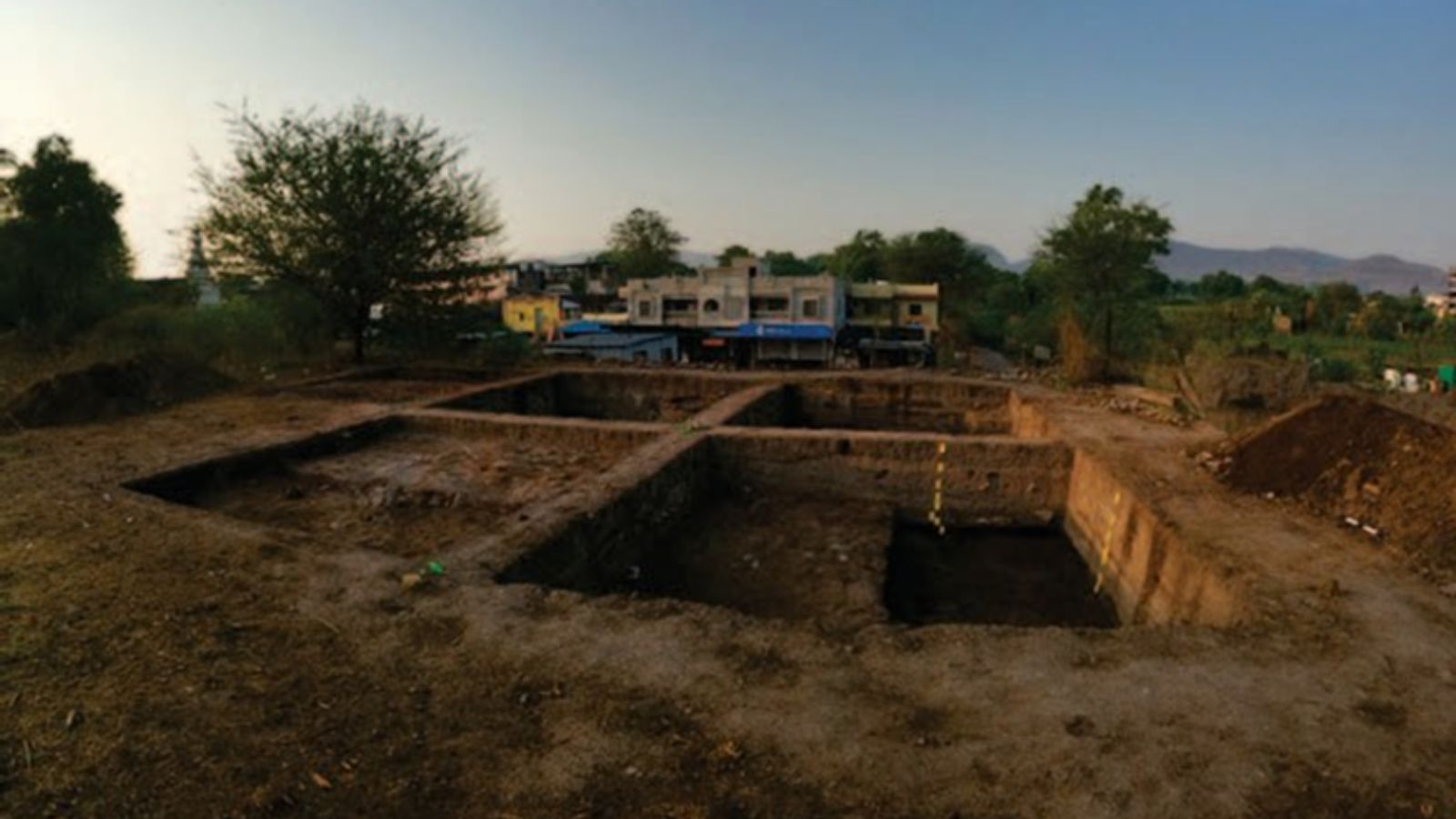
Preliminary excavations at the Kotul site in Maharashtra's Ahmednagar district reveal it was a significant trade hub during the Satavahana period (1st century BCE to 3rd century CE). Located on a key trade route connecting Junnar and Nashik, the site spans about one square kilometer and includes remains from early historic to medieval times. Findings include pottery, terracotta beads, and residential structures, highlighting Kotul's role in regional trade and cultural development along the Mula River basin.
First-hand measurement across 2 sources
We measured how 2 outlets covered this story. Coverage leans balanced overall (Left 0%, Centre 100%, Right 0%). Overall sentiment is positive (70/100). Lens Score 29/100 — low public interest.
Outlets analysed (first-hand measurement by TBN's Bias Engine):
- indianexpress— balanced framing, positive sentiment
- indianexpress— balanced framing, positive sentiment
AI Analysis
The article group presents a scholarly and archaeological perspective without political framing. It focuses on historical and cultural findings from academic sources, primarily Deccan College researchers, without involving political viewpoints or controversies. The coverage is neutral, emphasizing heritage and research aspects.
The tone across the articles is informative and neutral, highlighting archaeological discoveries and their significance. There is a positive undertone regarding the contribution to understanding regional history, but the language remains factual and restrained without emotional or sensational expressions.
How 2 sources covered this story
Each source's own headline, political lean, and sentiment — so you can see framing differences at a glance.