India Plans Tiger Reintroduction in Buxa Reserve Following Sariska Success
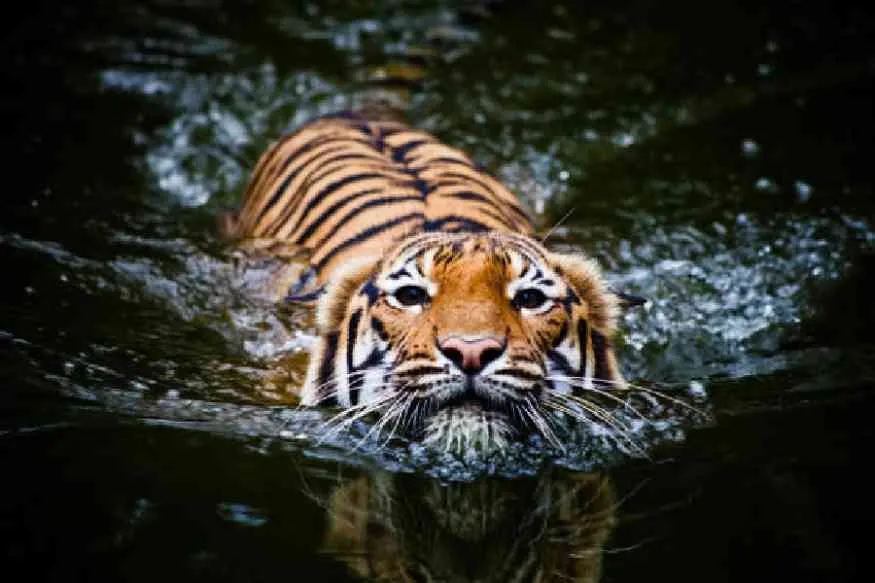
The Indian government is exploring tiger reintroduction initiatives in suitable habitats, including Buxa Tiger Reserve in North Bengal, inspired by the successful Sariska project in Rajasthan where tiger numbers rose from zero in 2008 to 56. Environment Minister Bhupender Yadav emphasized conservation as part of sustainable development. Meanwhile, West Bengal authorities remain vigilant amid heavy rains to protect wildlife, with plans to strengthen forest management. National efforts also focus on restoring struggling tiger reserves to support population dispersal and habitat recovery.
First-hand measurement across 4 sources
We measured how 4 outlets covered this story. Coverage leans balanced overall (Left 8%, Centre 87%, Right 5%). Overall sentiment is positive (71/100). Lens Score 33/100 — low public interest.
Outlets analysed (first-hand measurement by TBN's Bias Engine):
- thetelegraph— balanced framing, positive sentiment
- indianexpress— balanced framing, positive sentiment
- thestatesman— balanced framing, neutral sentiment
- httpswwwoutlookindiacom— balanced framing, positive sentiment
AI Analysis
The articles primarily reflect government perspectives highlighting conservation efforts and policy initiatives, including statements from Union and state environment ministers. They emphasize official programs and successes without presenting opposition or critical viewpoints, focusing on environmental governance and wildlife management. The coverage is largely descriptive of government actions and plans, with limited representation of alternative perspectives or stakeholder dissent.
The overall tone across the articles is cautiously optimistic, emphasizing progress in tiger conservation and proactive government measures. While acknowledging challenges such as manpower shortages and environmental threats like heavy rains, the coverage maintains a positive outlook on ongoing and planned initiatives to protect and restore tiger populations and habitats.