Skip to content
Get the Balanced News app for a better experience!
The Balanced News Logo
Analytics
The Balanced News Logo

Stay Balanced, Stay Informed

Menu
  • Browse News
  • Underreported Stories
  • Curated Feeds
  • Insights
  • Analytics
  • Our Writers
  • About Us
  • Download App
Learn
  • How It Works
  • Bias Detection
  • Lens Score
  • Source Bias Checker
  • Accountability
  • Custom Feeds
Newsroom
  • Writers & Analysts
  • About TBN
  • Editorial Standards
  • Corrections Policy
  • Our Partners
  • Insights
Socials
  • Youtube
  • Instagram
  • X
  • Facebook
News Categories
  • Trending
  • Politics
  • Sports
  • Business
  • Tech
  • Entertainment
  • Health
  • Science
  • Crime
  • Lifestyle
  • National
  • International
  • Good News
  • Crypto

Get Our App

Available for iOS and Android


LensFeedsInsightsAnalyticsTrendingGood NewsSportsPoliticsBusinessCrimeTechEntertainmentHealthNationalInternational

© 2026 The Balanced News. All rights reserved.

About UsEditorial StandardsCorrectionsHelp & SupportPrivacy PolicyTerms & Conditions
Biological Control Using Insects Reduces Invasive Weeds in US States
Categories

Categories

Related Coverage

Select a news story to see related coverage from other media outlets.

Related Coverage

Select a news story to see related coverage from other media outlets.

  1. Home
  2. /
  3. Social

Biological Control Using Insects Reduces Invasive Weeds in US States

Analysed 30 Aug 2026·2 sources analysed·Texas, United States·Social
Biological Control Using Insects Reduces Invasive Weeds in US StatesPreviousNext

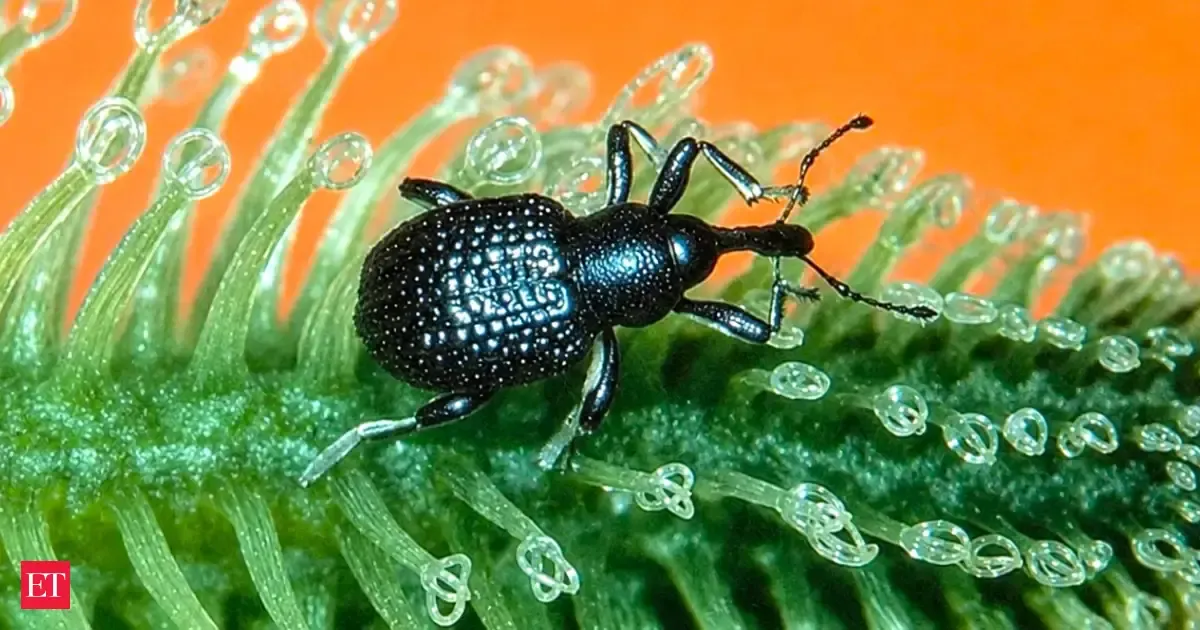
Biological control methods have effectively managed invasive plant species in the US. In Texas and Louisiana, tiny salvinia weevils released in 2001 reduced giant salvinia weed cover by feeding exclusively on it, surviving harsh winters. Similarly, in California during the 1940s, leaf beetles Chrysolina hyperici and quadrigemina were introduced to combat toxic St. Johnswort, reducing its presence by over 99% within a decade. These cases highlight the potential of targeted insect species to control invasive weeds without chemical herbicides.

Sentiment
65%
TBN's observations

First-hand measurement across 2 sources

We measured how 2 outlets covered this story. No outlet gave this story a measurable political slant — there is no left–right reading to report. Overall sentiment is positive (65/100). Lens Score 42/100.

Outlets measured: economictimes, economictimes. See how each one headlined and framed the same story in the source comparison below.

AI analysis of 2 sources · Published under editorial oversight by The Balanced News
Analysed 30 Aug 2026· How this analysis is produced· Editorial standards· Corrections

AI Analysis

Sentiment — Positive (65/100)

Sentiment was consistent across outlets (55–75/100), indicating broadly factual reporting rather than editorialising.

Coverage timeline

economictimes broke this story on 30 Aug, 09:16 am. Other outlets followed.

30 Aug, 09:16 am2 sources · 2 h30 Aug, 11:22 am
AI analysis by the TBN Bias Engine · beat methodology byAniket Awate· Culture & Digital Media Writer· editorial standards byOjas Kale
← Previous
Rising Inflation in Lahore Strains Low-Income Families' Ability to Afford Essentials
Next →
Stray Kids' Lee Know Donates 100 Million KRW for Nepal Flood Relief
  • 1
    economictimes30 Aug, 09:16 am
    In 1946, imported beetles were released against toxic St. Johnswort in northern California; by 1957, the weed had fallen to less than 1 of its former abundance
  • 2
    economictimes30 Aug, 11:22 am
    In 2001, USDA researchers released salvinia weevils in Texas and Louisiana; by 2003, weed cover had fallen near release sites while untreated controls stayed choked
  • Who's involved

    Institutions and figures named across source coverage.

    Government
    United States Department of AgricultureUniversity of California at Berkeley Division of Biological ControlUnited States Fish and Wildlife ServiceUniversity of California Integrated Pest Management Program

    Story context

    Category
    Social
    Location
    Texas, United States
    Sources analysed
    2
    Last analysed
    30 Aug 2026
    Key entities
    WeedInvasive speciesBiological pest controlInsectSalvinia molestaSalviniaWeevilLakeTexasLouisianaFernUnited States Department of Agriculture