Historical Evolution of Passports from Ancient Seals to Modern Identity Documents
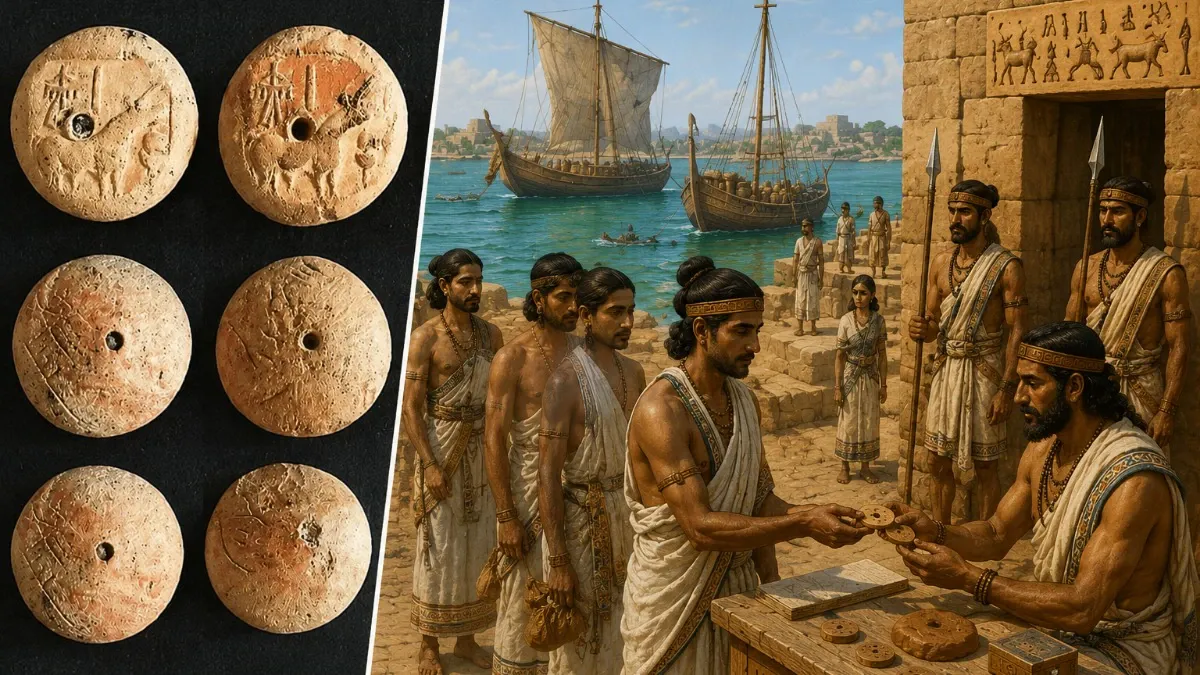
Recent discussions in India about passports not being definitive proof of citizenship have sparked interest in the document's long history. Passports originated over 2,500 years ago in ancient Persia as letters granting safe passage, evolving through various civilizations. Evidence from the Indus-Saraswati civilisation, including 4,000-year-old Harappan seals from Gujarat, suggests early forms of travel identification. Modern passports, standardized after World War I, now include biometric data, reflecting a complex evolution from ancient travel permits to vital identity documents.
First-hand measurement across 2 sources
We measured how 2 outlets covered this story. Coverage leans balanced overall (Left 0%, Centre 100%, Right 0%). Overall sentiment is neutral (60/100). Lens Score 25/100 — low public interest.
Outlets analysed (first-hand measurement by TBN's Bias Engine):
- indiatoday— balanced framing, neutral sentiment
- economictimes— balanced framing, neutral sentiment
AI Analysis
The articles present a largely historical and factual perspective without overt political framing. They reference recent Indian government clarifications on passport status but focus on the broader historical context of passports. Both sources include cultural and historical viewpoints, avoiding partisan interpretations, and emphasize the evolution of travel documents across civilizations.
The tone across the articles is neutral and informative, aiming to educate readers about the origins and development of passports. There is no evident positive or negative sentiment toward the recent government clarification; instead, the coverage highlights curiosity and historical interest sparked by the debate.
How 2 sources covered this story
Each source's own headline, political lean, and sentiment — so you can see framing differences at a glance.