International Groups Condemn Crackdown and Communication Blackout in PoJK Protests
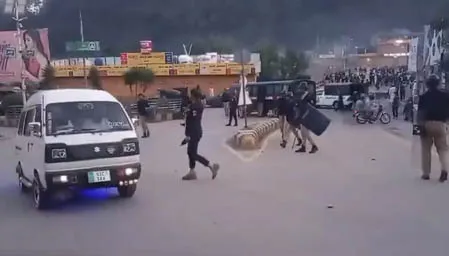
Between June 8 and 16, Pakistani authorities in Pakistan-occupied Jammu and Kashmir (PoJK) conducted a crackdown on protests led by the Jammu and Kashmir Joint Awami Action Committee (JKJAAC), resulting in over 32 civilian deaths. The government designated JKJAAC as a proscribed group, imposed a prolonged internet and mobile blackout, deployed paramilitary forces, and arrested more than 100 activists and leaders. International human rights organizations, including the International Human Rights Foundation and Amnesty International, condemned these actions, citing violations of freedom of expression, assembly, and access to information, and called for the restoration of communication services and the cessation of force against peaceful protesters.
First-hand measurement across 3 sources
We measured how 3 outlets covered this story. Coverage leans left-leaning overall (Left 70%, Centre 30%, Right 0%). Overall sentiment is negative (25/100). Lens Score 60/100 — moderate public interest.
Outlets analysed (first-hand measurement by TBN's Bias Engine):
- easternmirror— left-leaning framing, negative sentiment
- thetribune— left-leaning framing, negative sentiment
- thetribune— left-leaning framing, negative sentiment
AI Analysis
The article group presents perspectives primarily from international human rights organizations critical of Pakistani authorities' actions in PoJK. The coverage highlights government measures such as designating JKJAAC as a proscribed group and imposing communication restrictions, framed as violations of rights. There is limited representation of the Pakistani government's rationale or response, resulting in a focus on human rights concerns and international criticism.
The overall tone across the articles is critical and concerned, emphasizing the negative impact of the crackdown, civilian casualties, and communication blackouts on residents' rights and welfare. The sentiment reflects condemnation from rights groups and highlights humanitarian and freedom-related issues, without positive or neutral framing of the authorities' actions.