Skip to content
Get the Balanced News app for a better experience!
The Balanced News Logo
Analytics
The Balanced News Logo

Stay Balanced, Stay Informed

Menu
  • Browse News
  • Underreported Stories
  • Curated Feeds
  • Insights
  • Analytics
  • Our Writers
  • About Us
  • Download App
Learn
  • How It Works
  • Bias Detection
  • Lens Score
  • Source Bias Checker
  • Accountability
  • Custom Feeds
Newsroom
  • Writers & Analysts
  • About TBN
  • Editorial Standards
  • Corrections Policy
  • Our Partners
  • Insights
Socials
  • Youtube
  • Instagram
  • X
  • Facebook
News Categories
  • Trending
  • Politics
  • Sports
  • Business
  • Tech
  • Entertainment
  • Health
  • Science
  • Crime
  • Lifestyle
  • National
  • International
  • Good News
  • Crypto

Get Our App

Available for iOS and Android


LensFeedsInsightsAnalyticsTrendingGood NewsSportsPoliticsBusinessCrimeTechEntertainmentHealthNationalInternational

© 2026 The Balanced News. All rights reserved.

About UsEditorial StandardsCorrectionsHelp & SupportPrivacy PolicyTerms & Conditions
Introduced Rabbits Rapidly Spread and Impact Ecosystems in Australia and Kerguelen Islands
Categories

Categories

Related Coverage

Select a news story to see related coverage from other media outlets.

Related Coverage

Select a news story to see related coverage from other media outlets.

  1. Home
  2. /
  3. Social

Introduced Rabbits Rapidly Spread and Impact Ecosystems in Australia and Kerguelen Islands

Analysed 23 Oct 2026·2 sources analysed·Kerguelen Islands, French Southern and Antarctic Lands·Social
Introduced Rabbits Rapidly Spread and Impact Ecosystems in Australia and Kerguelen IslandsPreviousNext

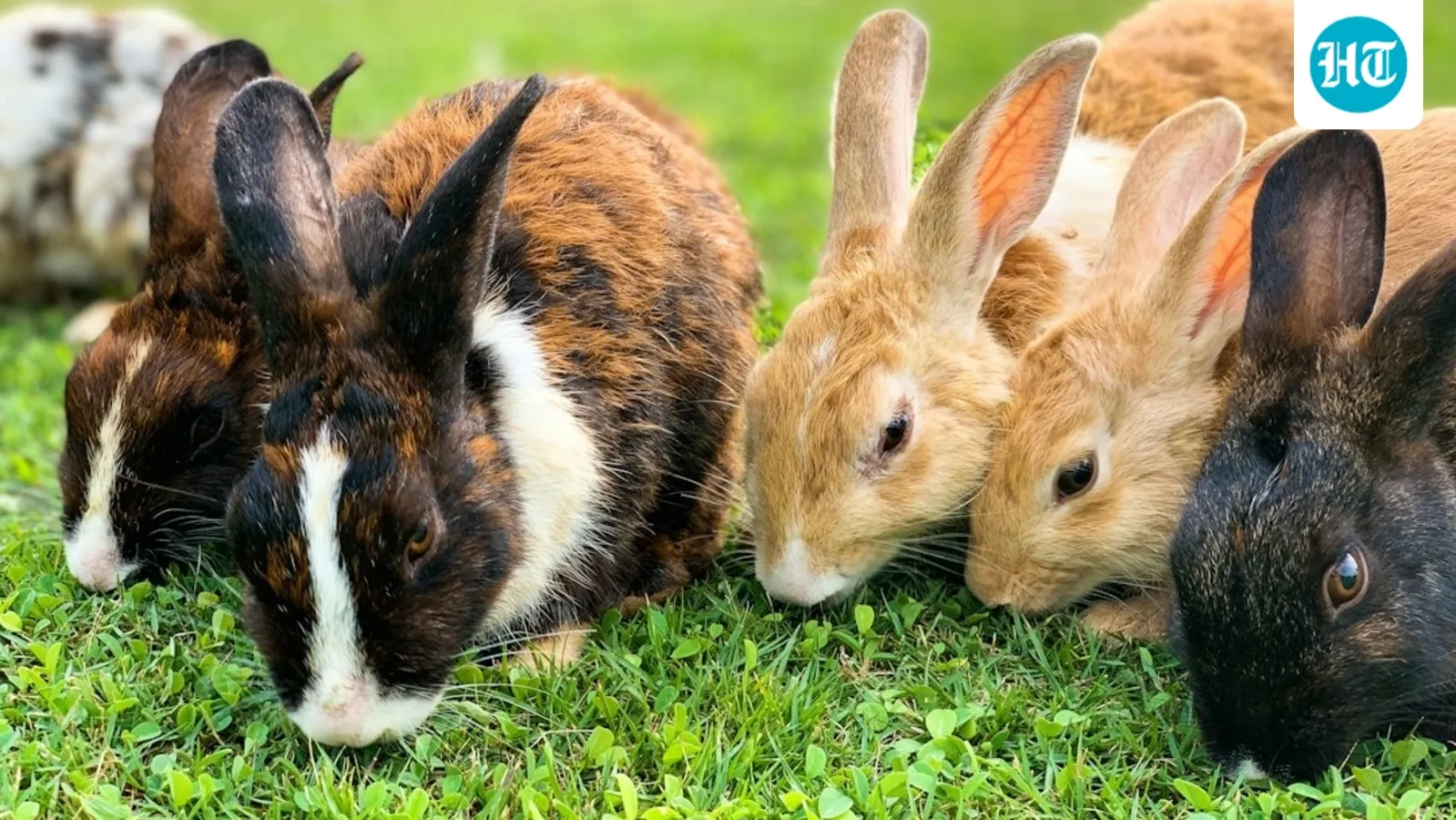
European rabbits introduced to Australia in 1859 rapidly spread due to favorable conditions, becoming a major pest by the late 19th century. Efforts like the rabbit-proof fence were largely ineffective. Similarly, rabbits introduced to the remote Kerguelen Islands in 1874 caused significant ecological damage, leading to the disappearance of native plants and soil erosion. Eradication programs in the 1990s helped native vegetation recover, highlighting the lasting environmental impact of introduced rabbits in isolated ecosystems.

Sentiment
49%
TBN's observations

First-hand measurement across 2 sources

We measured how 2 outlets covered this story. No outlet gave this story a measurable political slant — there is no left–right reading to report. Overall sentiment is neutral (49/100). Lens Score 34/100.

Outlets measured: hindustantimes, hindustantimes. See how each one headlined and framed the same story in the source comparison below.

AI analysis of 2 sources · Published under editorial oversight by The Balanced News
Analysed 23 Oct 2026· How this analysis is produced· Editorial standards· Corrections

AI Analysis

Sentiment — Neutral (49/100)

Sentiment was consistent across outlets (48–50/100), indicating broadly factual reporting rather than editorialising.

Coverage timeline

hindustantimes broke this story on 23 Oct, 04:52 am. Other outlets followed.

23 Oct, 04:52 am2 sources · 25 min23 Oct, 05:16 am
AI analysis by the TBN Bias Engine · beat methodology byAniket Awate· Culture & Digital Media Writer· editorial standards byOjas Kale
← Previous
Isolated Island Cattle Herds Face Survival Challenges After Human Departure
Next →
PSSSB Releases Group D Admit Cards for 2,098 Vacancies; Exam on October 25, 2026
1
hindustantimes23 Oct, 04:52 am
In 1874, rabbits reached the remote Kerguelen Islands; later research found two sensitive native plants had disappeared from grazed areas
  • 2
    hindustantimes23 Oct, 05:16 am
    In 1859, 13 rabbits were released in Australia for hunting; just 7 years later, more than 14,000 had been shot on the estate
  • Story context

    Category
    Social
    Location
    Kerguelen Islands, French Southern and Antarctic Lands
    Sources analysed
    2
    Last analysed
    23 Oct 2026
    Key entities
    RabbitEuropean rabbitSoil erosionAustraliaVictoria (state)First FleetNational Museum of AustraliaHuntingVirusChristmasEnglandWestern Australia