India's Reservoirs at 32% Capacity as Experts Urge Balanced Water Management
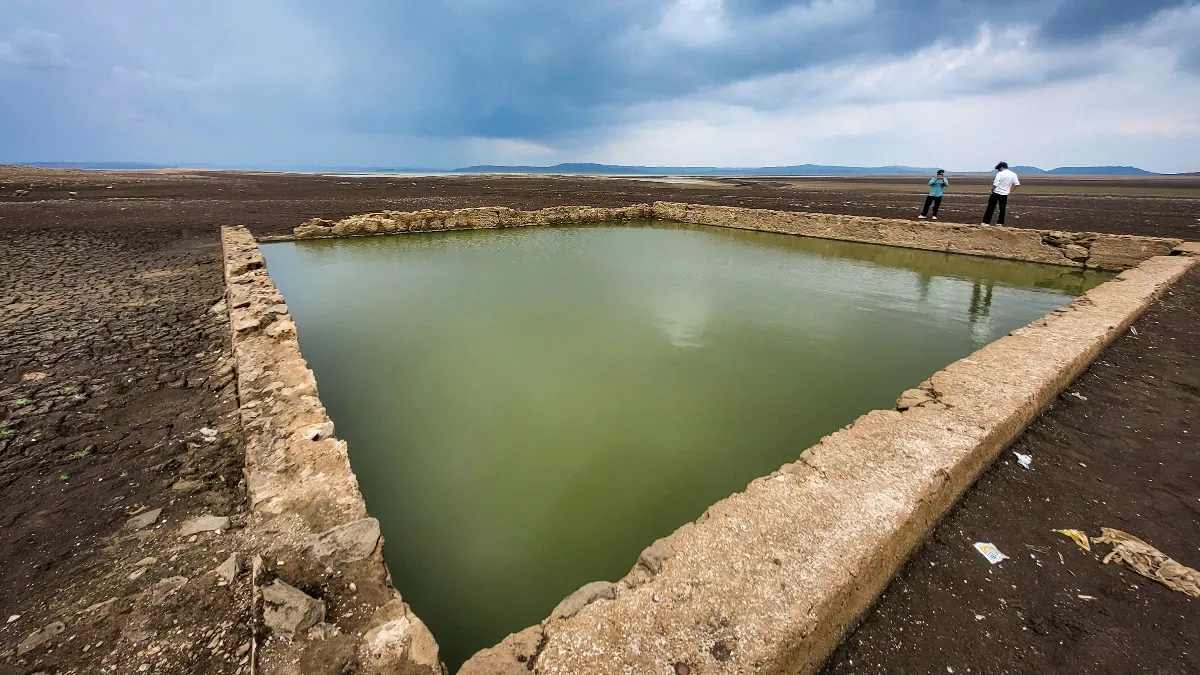
India's 166 major reservoirs currently hold about 32.38% of their total capacity, a slight improvement from last week but still low amid uneven monsoon rains. Experts, including Syamal Sarkar of TERI, highlight that India's water demand across domestic, industrial, and agricultural sectors exceeds supply. Per capita water availability has declined from 5,000 cubic metres in 1950 to around 1,500 today, below the international water-stressed threshold. They emphasize the need to address both water storage and demand management to ensure future water security amid climate change.
First-hand measurement across 2 sources
We measured how 2 outlets covered this story. Coverage leans balanced overall (Left 15%, Centre 80%, Right 5%). Overall sentiment is neutral (45/100). Lens Score 34/100 — low public interest.
Outlets analysed (first-hand measurement by TBN's Bias Engine):
- indiatoday— balanced framing, neutral sentiment
- news18— balanced framing, neutral sentiment
AI Analysis
The articles primarily present expert analysis from a former government official and advisor at TERI, focusing on technical and policy aspects of water management without partisan framing. They emphasize systemic challenges like climate change and demand-supply imbalance, reflecting a policy-oriented perspective rather than political debate. The coverage includes government initiatives but also critiques historical neglect of demand-side management, representing a balanced policy discourse.
The overall tone is cautious and concerned, reflecting the seriousness of low reservoir levels and declining water availability. While acknowledging some improvement in reservoir capacity, the articles stress ongoing challenges and the urgency of addressing both supply and demand. The sentiment is neither alarmist nor optimistic but highlights the need for prudent water management strategies amid climate variability.