Japan Revises Divorce Law to Permit Joint Guardianship but Faces Enforcement Challenges
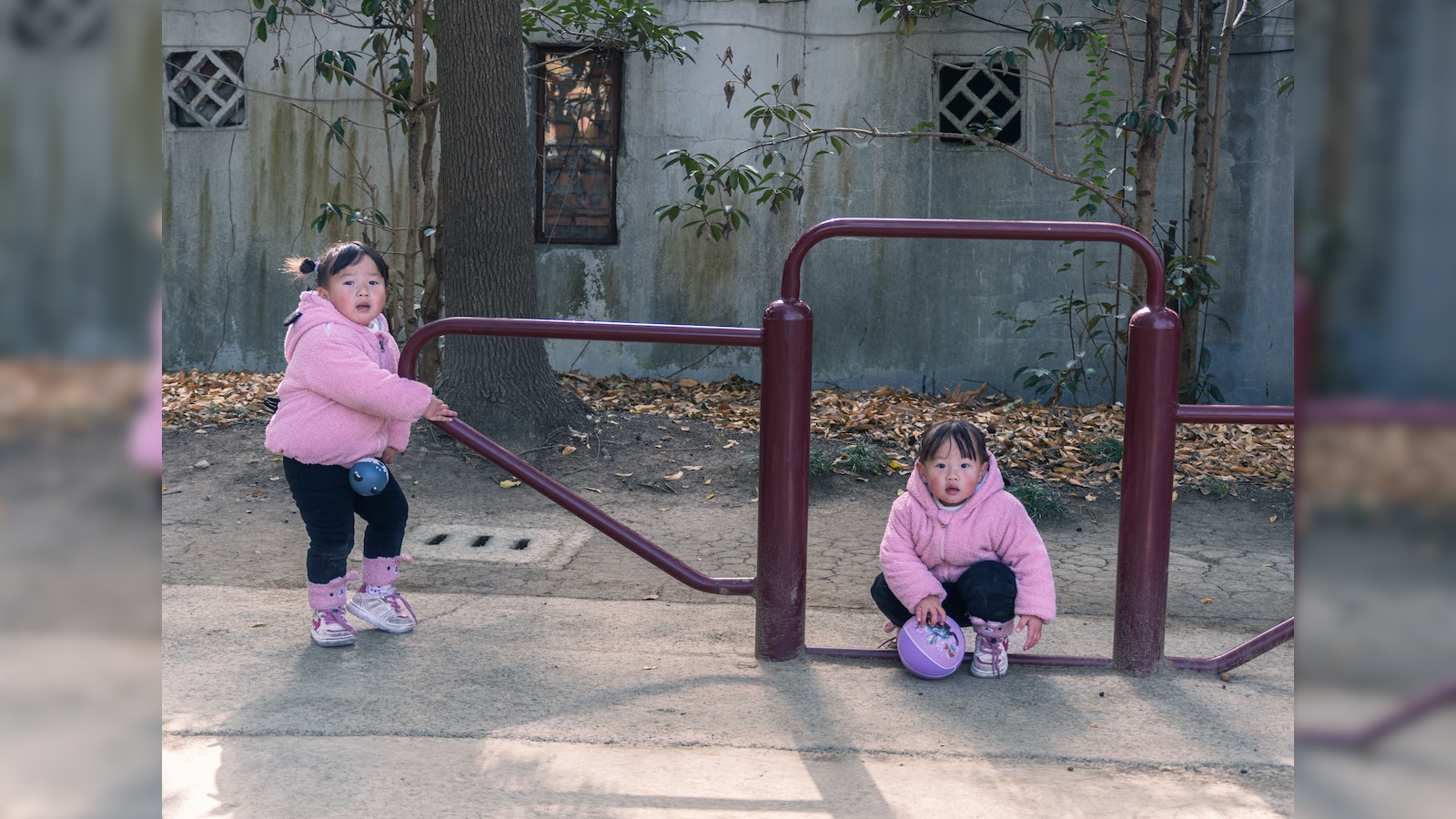
Japan revised its civil code in April to allow joint legal guardianship after divorce, replacing a sole custody system that granted full parental rights to only one parent, typically the one who first took physical custody. This previous system incentivized parents to take children during divorce proceedings, often limiting the other parent's access. Despite the legal change, enforcement of shared parenting remains weak. Cases like Anastasiya Minkova's, who faces restricted visits after her son was taken by her ex-husband, highlight ongoing challenges under the old custody framework.
First-hand measurement across 2 sources
We measured how 2 outlets covered this story. Coverage leans balanced overall (Left 5%, Centre 93%, Right 2%). Overall sentiment is neutral (35/100). Lens Score 32/100 — low public interest.
Outlets analysed (first-hand measurement by TBN's Bias Engine):
- ndtv— balanced framing, neutral sentiment
- ndtv— balanced framing, neutral sentiment
AI Analysis
The articles primarily present a factual account of Japan's legal changes regarding custody without evident political framing. They include perspectives highlighting both the previous system's shortcomings and the recent reforms, focusing on legal and social implications rather than political debate. The coverage centers on individual experiences and legal context, reflecting a neutral stance without partisan viewpoints.
The overall tone is measured and informative, acknowledging progress through legal reform while emphasizing ongoing difficulties in enforcement and parental access. The inclusion of personal stories adds a human element without sensationalism, resulting in a balanced sentiment that recognizes both positive developments and persistent challenges.
How 2 sources covered this story
Each source's own headline, political lean, and sentiment — so you can see framing differences at a glance.