Gram Panchayats' Role in Integrating Climate Action into Rural Planning
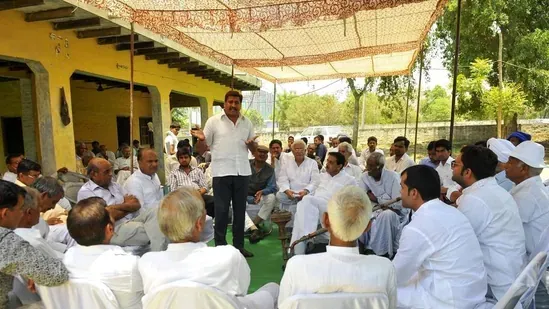
Rural India faces immediate climate challenges such as water scarcity, erratic rainfall, and livelihood disruptions, yet gram panchayats—the local governance bodies responsible for development planning—rarely integrate climate risks into their annual plans. Despite constitutional mandates and recent policy efforts to include climate factors, functional devolution and financial support to panchayats remain limited. Experts suggest that embedding climate action within gram panchayat development plans can enhance resilience by aligning local knowledge, resources, and governance structures.
First-hand measurement across 2 sources
We measured how 2 outlets covered this story. Coverage leans balanced overall (Left 25%, Centre 73%, Right 2%). Overall sentiment is neutral (62/100). Lens Score 23/100 — low public interest.
Outlets analysed (first-hand measurement by TBN's Bias Engine):
- hindustantimes— balanced framing, positive sentiment
- indianexpress— balanced framing, neutral sentiment
AI Analysis
The articles present a largely policy-focused perspective emphasizing institutional roles and governance challenges without partisan framing. They highlight government commitments like the Nationally Determined Contributions and constitutional provisions for panchayat devolution, while also noting gaps in implementation and financial support. Both sources advocate for strengthening local governance in climate adaptation, reflecting a consensus on the need for improved policy execution rather than political contestation.
The overall tone is cautiously critical yet constructive, acknowledging India's climate commitments and the potential of gram panchayats while pointing out shortcomings in current planning and resource allocation. The coverage balances recognition of progress with concerns about functional devolution and fragmented approaches, resulting in a mixed but solution-oriented sentiment.