India Faces Rising Human-Wildlife Conflicts as Animals Expand Beyond Natural Habitats
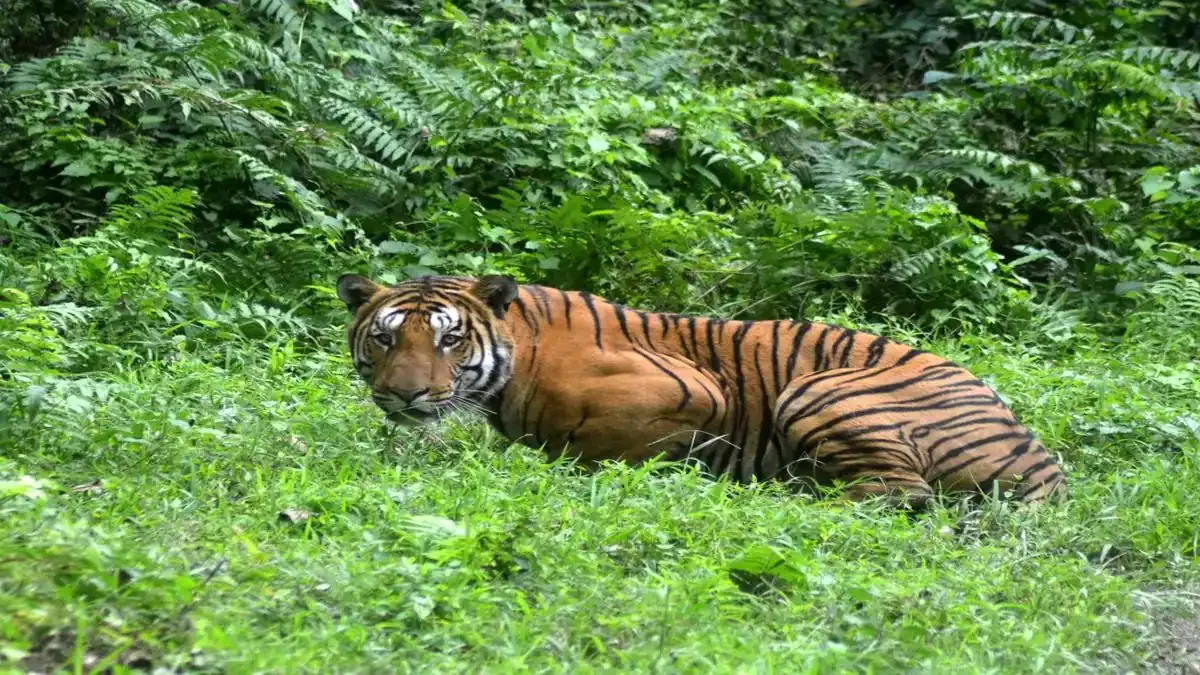
Across India, large mammals like elephants, tigers, leopards, and wolves are increasingly moving beyond traditional forest habitats into agricultural and urban areas due to habitat loss, infrastructure development, and ecological pressures. In Jharkhand, disrupted elephant corridors and mining activities have led to heightened human-elephant conflicts, including fatal attacks and elephant deaths. Conservationists highlight the need for improved coexistence strategies as wildlife adapts to shrinking natural habitats amid expanding human activity.
First-hand measurement across 2 sources
We measured how 2 outlets covered this story. Coverage leans balanced overall (Left 20%, Centre 78%, Right 2%). Overall sentiment is neutral (48/100). Lens Score 32/100 — low public interest.
Outlets analysed (first-hand measurement by TBN's Bias Engine):
- firstpost— balanced framing, neutral sentiment
- hindustantimes— balanced framing, neutral sentiment
AI Analysis
The articles present perspectives focused on environmental and conservation concerns without explicit political alignment. They highlight government actions like declaring emergencies and infrastructure development impacts, reflecting both administrative responses and ecological challenges. The coverage includes voices from conservationists and officials, framing the issue as a complex interaction between development and wildlife preservation rather than partisan debate.
The overall tone is serious and cautionary, emphasizing the challenges and risks posed by increasing human-wildlife conflicts. While acknowledging the ecological pressures driving animal movements, the articles convey concern for both human safety and wildlife welfare. The sentiment is balanced, combining factual reporting of incidents with calls for improved management and coexistence, avoiding sensationalism.