Vatican Excommunicates Society of St. Pius X Bishops and Declares Formal Schism
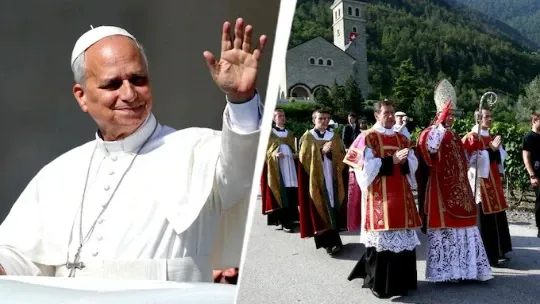
The Vatican has formally declared the ultra-traditionalist Society of St. Pius X (SSPX) in schism and excommunicated its newly consecrated bishops, along with all priests and lay Catholics who formally adhere to the group. The SSPX, which opposes reforms from the Second Vatican Council, conducted unauthorized bishop ordinations in Switzerland, defying Pope Leo XIV's warnings. The Vatican stated that the group’s sacraments are illicit and invalid, while SSPX members expressed regret but remain committed to their beliefs and practices.
First-hand measurement across 9 sources
We measured how 9 outlets covered this story. Coverage leans balanced overall (Left 0%, Centre 100%, Right 0%). Overall sentiment is neutral (44/100). Lens Score 33/100 — low public interest.
Outlets analysed (first-hand measurement by TBN's Bias Engine):
- hindustantimes— balanced framing, neutral sentiment
- theprint— balanced framing, neutral sentiment
- theprint— balanced framing, neutral sentiment
- thehindu— balanced framing, neutral sentiment
- wion— balanced framing, neutral sentiment
- indiatoday— balanced framing, neutral sentiment
- indiatoday— balanced framing, neutral sentiment
- indiatoday— balanced framing, neutral sentiment
AI Analysis
The article group presents perspectives from both the Vatican and the Society of St. Pius X, reflecting institutional authority and the traditionalist group's dissent. Coverage includes official Vatican statements emphasizing canonical law and Church unity, alongside SSPX members’ views expressing their commitment and disagreement with the Vatican’s sanctions. The sources balance institutional and rebel viewpoints without endorsing either side.
The overall tone is neutral to serious, focusing on the formal actions taken by the Vatican and the SSPX’s response. While the Vatican’s stance is firm and disciplinary, the SSPX members convey a tone of peaceful defiance and regret. The coverage avoids sensationalism, presenting the conflict as a significant ecclesiastical dispute with lasting implications.