Skip to content
Get the Balanced News app for a better experience!
The Balanced News Logo
Analytics
The Balanced News Logo

Stay Balanced, Stay Informed

Menu
  • Browse News
  • Underreported Stories
  • Curated Feeds
  • Insights
  • Analytics
  • Our Writers
  • About Us
  • Download App
Learn
  • How It Works
  • Bias Detection
  • Lens Score
  • Source Bias Checker
  • Accountability
  • Custom Feeds
Newsroom
  • Writers & Analysts
  • About TBN
  • Editorial Standards
  • Corrections Policy
  • Our Partners
  • Insights
Socials
  • Youtube
  • Instagram
  • X
  • Facebook
News Categories
  • Trending
  • Politics
  • Sports
  • Business
  • Tech
  • Entertainment
  • Health
  • Science
  • Crime
  • Lifestyle
  • National
  • International
  • Good News
  • Crypto

Get Our App

Available for iOS and Android


LensFeedsInsightsAnalyticsTrendingGood NewsSportsPoliticsBusinessCrimeTechEntertainmentHealthNationalInternational

© 2026 The Balanced News. All rights reserved.

About UsEditorial StandardsCorrectionsHelp & SupportPrivacy PolicyTerms & Conditions
India Faces Weak Monsoon and Declining Reservoir Levels Amid Climate Challenges
Categories

Categories

Related Coverage

Select a news story to see related coverage from other media outlets.

Related Coverage

Select a news story to see related coverage from other media outlets.

  1. Home
  2. /
  3. social

India Faces Weak Monsoon and Declining Reservoir Levels Amid Climate Challenges

Analysed 28 Jun 2026·2 sources analysed·India·social
India Faces Weak Monsoon and Declining Reservoir Levels Amid Climate ChallengesPreviousNext

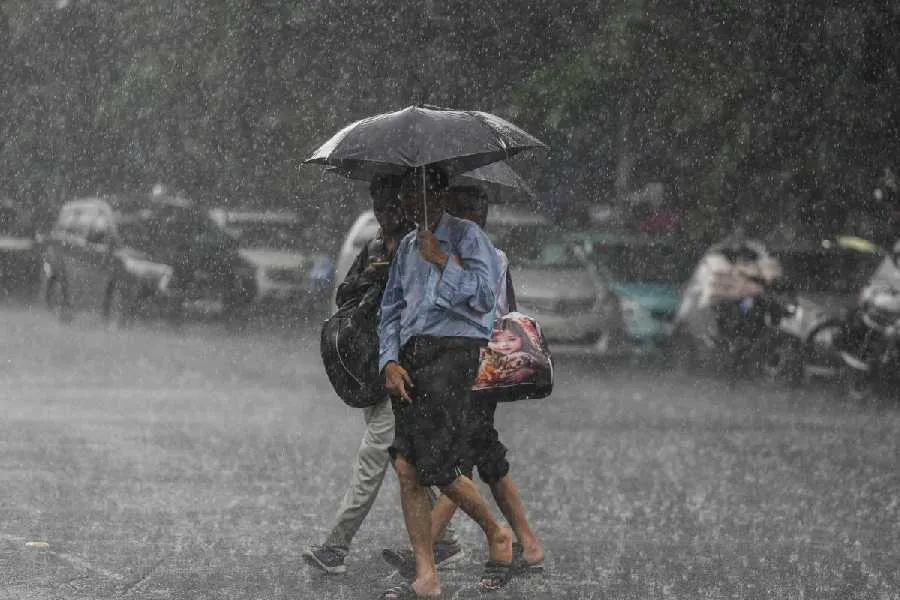
India is experiencing its weakest monsoon start in over 15 years, with June rainfall 42% below normal and 76% of the country facing deficient precipitation. Reservoirs are critically low, holding just 26% of capacity, with major basins like Ganga, Godavari, and Krishna showing significant water storage declines. Scientists attribute the dry conditions to El Nino-driven Pacific warming, climate change-induced heatwaves, and increased water extraction, raising concerns over ecological resilience and water security.

TBN's observations

First-hand measurement across 2 sources

We measured how 2 outlets covered this story. Coverage leans balanced overall (Left 5%, Centre 93%, Right 2%). Overall sentiment is negative (30/100). Lens Score 33/100 — low public interest.

Outlets analysed (first-hand measurement by TBN's Bias Engine):

  • thestatesman— balanced framing, negative sentiment
  • thetelegraph— balanced framing, negative sentiment
Political Bias
5%93%2%
Sentiment
30%
AI analysis of 2 sources · Published under editorial oversight by The Balanced News
Analysed 28 Jun 2026· How this analysis is produced· Editorial standards· Corrections

AI Analysis

Political bias across 2 sources
● Left 5%● Center 93%● Right 2%

The articles present a largely scientific and environmental perspective, focusing on climate phenomena like El Nino and human-induced climate change without partisan framing. They include expert opinions and data on water storage and rainfall deficits, reflecting concerns about ecological and resource management. There is no evident political bias, as the coverage centers on factual reporting and expert analysis rather than political debate.

Sentiment — Negative (30/100)

The overall tone is cautionary and concerned, highlighting significant deficits in rainfall and water storage that pose risks to agriculture and livelihoods. While the coverage emphasizes challenges and environmental stress, it remains factual and avoids sensationalism, presenting the situation as a serious but explainable climate and resource issue.

How 2 sources covered this story

Each source's own headline, political lean, and sentiment — so you can see framing differences at a glance.

Reviewed byAniket Awate· Culture & Digital Media Writer· Edited byOjas Kale
← Previous
Anant Ambani Donates Hair and Announces Electric Bus Donation at Tirumala Temple
Next →
IIT Graduate Shares Journey of UPSC Preparation and Changing Perspectives on Success
SourceTheir headlineBiasSentiment
thestatesmanIndia's Reservoirs Are Running Dry: Climate Stress, Failing Rivers and the Gathering Water CrisisCenterNegative
thetelegraphEvil rain-El Nino tango: Weakest monsoon start in 17 years, reservoirs parchedCenterNegative

Coverage timeline

thetelegraph broke this story on 28 Jun, 02:11 am. Other outlets followed.

  1. 1
    thetelegraph28 Jun, 02:11 am
    Evil rain-El Nino tango: Weakest monsoon start in 17 years, reservoirs parched
  2. 2
    thestatesman28 Jun, 04:05 am
    India's Reservoirs Are Running Dry: Climate Stress, Failing Rivers and the Gathering Water Crisis

Lens Score breakdown

33/100
Public interest0/100
Coverage gap100%

Well-covered story — coverage matches public importance.

Who's involved

Institutions and figures named across source coverage.

Government
India Meteorological DepartmentCentral Ground Water BoardUnion Agriculture MinistryCentral Water CommissionIndian Council of Agricultural Research

Story context

Category
Social
Location
India
Sources analysed
2
Last analysed
28 Jun 2026
Key entities
MonsoonReservoirIndiaHeat waveClimate variability and changeGroundwaterNorth IndiaSea surface temperatureEl NiñoPacific OceanWorld Weather AttributionNagarjuna Sagar Dam