India Faces Weakest Monsoon Start in Over 15 Years Amid El Niño and Water Shortages
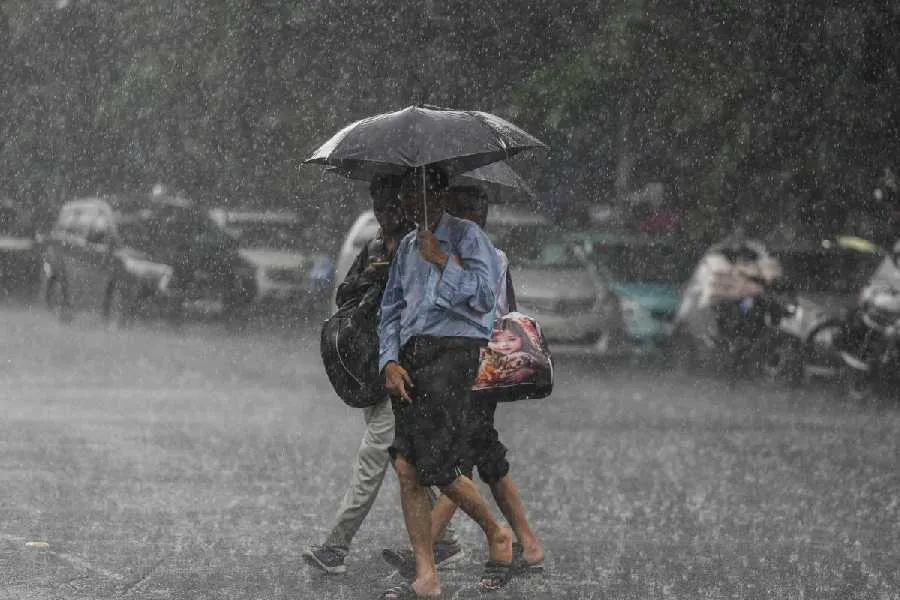
India is experiencing its weakest monsoon start in over 15 years, with June rainfall about 42% below normal and 76% of the country facing deficient precipitation. Reservoirs and major river basins show significantly reduced water storage, raising concerns over agriculture, water supply, and ecological resilience. Scientists attribute the dry conditions largely to the El Niño phenomenon and climate change effects, while authorities have activated contingency plans in vulnerable districts. The situation poses risks to farming and the broader economy amid ongoing climate stress.
First-hand measurement across 4 sources
We measured how 4 outlets covered this story. Coverage leans balanced overall (Left 5%, Centre 93%, Right 2%). Overall sentiment is neutral (34/100). Lens Score 33/100 — low public interest.
Outlets analysed (first-hand measurement by TBN's Bias Engine):
- mint— balanced framing, neutral sentiment
- mint— balanced framing, neutral sentiment
- thestatesman— balanced framing, negative sentiment
- thetelegraph— balanced framing, negative sentiment
AI Analysis
The article group presents a range of perspectives focusing on scientific explanations, government responses, and environmental impacts without partisan framing. Sources include meteorological data, expert analysis, and official statements, reflecting consensus on El Niño's role and climate change effects. The coverage balances economic concerns with ecological and social implications, avoiding political polarization or blame attribution.
The overall tone is cautious and concerned, highlighting the severity of the monsoon deficit and its potential impacts on water resources and agriculture. While the articles emphasize challenges and risks, they also note ongoing monitoring and contingency measures, resulting in a mixed but predominantly serious sentiment focused on awareness and preparedness.
How 4 sources covered this story
Each source's own headline, political lean, and sentiment — so you can see framing differences at a glance.