Skip to content
Get the Balanced News app for a better experience!
The Balanced News Logo
Analytics
The Balanced News Logo

Stay Balanced, Stay Informed

Menu
  • Browse News
  • Underreported Stories
  • Curated Feeds
  • Insights
  • Analytics
  • Our Writers
  • About Us
  • Download App
Learn
  • How It Works
  • Bias Detection
  • Lens Score
  • Source Bias Checker
  • Accountability
  • Custom Feeds
Newsroom
  • Writers & Analysts
  • About TBN
  • Editorial Standards
  • Corrections Policy
  • Our Partners
  • Insights
Socials
  • Youtube
  • Instagram
  • X
  • Facebook
News Categories
  • Trending
  • Politics
  • Sports
  • Business
  • Tech
  • Entertainment
  • Health
  • Science
  • Crime
  • Lifestyle
  • National
  • International
  • Good News
  • Crypto

Get Our App

Available for iOS and Android


LensFeedsInsightsAnalyticsTrendingGood NewsSportsPoliticsBusinessCrimeTechEntertainmentHealthNationalInternational

© 2026 The Balanced News. All rights reserved.

About UsEditorial StandardsCorrectionsHelp & SupportPrivacy PolicyTerms & Conditions
India's Women-Focused Cash Transfer Schemes Show Benefits Amid Eligibility and Impact Questions
Categories

Categories

Related Coverage

Select a news story to see related coverage from other media outlets.

Related Coverage

Select a news story to see related coverage from other media outlets.

  1. Home
  2. /
  3. Social

India's Women-Focused Cash Transfer Schemes Show Benefits Amid Eligibility and Impact Questions

Analysed 19 Jul 2026·2 sources analysed·Maharashtra, India·Social
India's Women-Focused Cash Transfer Schemes Show Benefits Amid Eligibility and Impact QuestionsPreviousNext

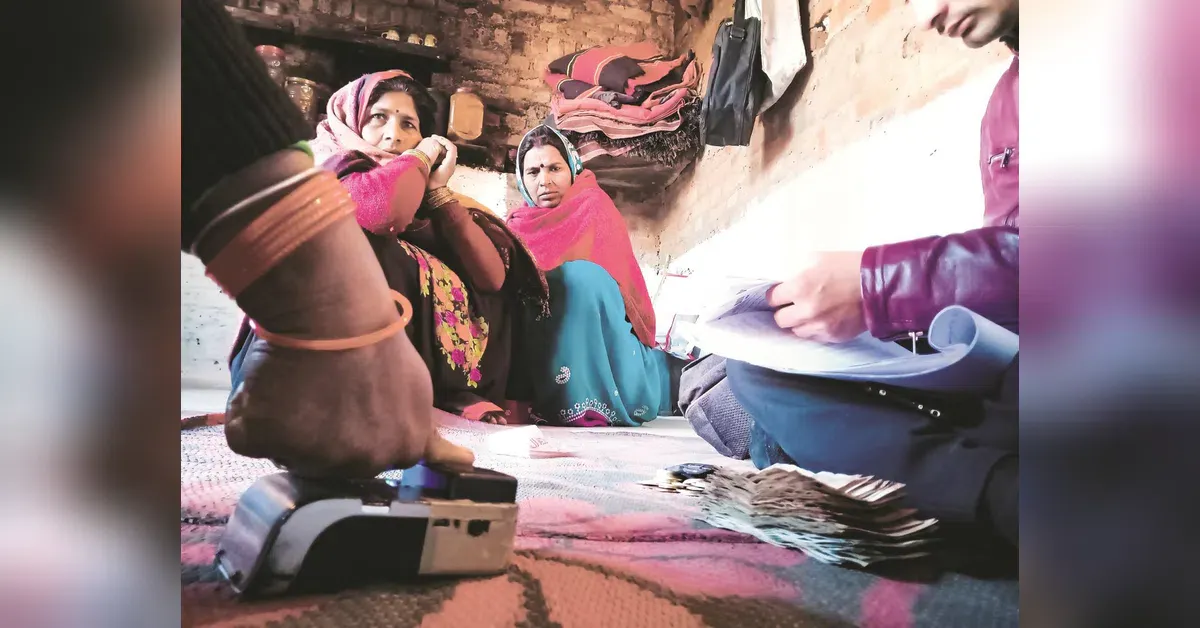
Cash transfer schemes targeting women in India, covering 120 million beneficiaries across 12 states, have shown positive socio-economic impacts, including improved nutrition and reduced gender disparities in food consumption. While these programs are politically significant and financially sustainable for most states, concerns remain about eligibility criteria, long-term effects, and whether women fully benefit beyond receiving funds, as savings and payments remain limited despite widespread bank account ownership.

Political Bias
35%63%2%
Sentiment
62%
TBN's observations

First-hand measurement across 2 sources

We measured how 2 outlets covered this story. Coverage leans balanced overall (Left 35%, Centre 63%, Right 2%). Overall sentiment is positive (62/100). Lens Score 22/100.

Outlets measured: businessstandard, businessstandard. See how each one headlined and framed the same story in the source comparison below.

AI analysis of 2 sources · Published under editorial oversight by The Balanced News
Analysed 19 Jul 2026· How this analysis is produced· Editorial standards· Corrections

AI Analysis

Political bias across 2 sources
● Left 35%● Center 63%● Right 2%

All 2 outlets scored close to centre on political lean. The real divergence here is in emphasis, not lean — compare the headlines below to see how each outlet chose to frame the same facts.

Sentiment — Positive (62/100)

Sentiment was consistent across outlets (55–70/100), indicating broadly factual reporting rather than editorialising.

Coverage timeline

businessstandard broke this story on 19 Jul, 05:05 pm. Other outlets followed.

19 Jul, 05:05 pm2 sources · 17 min19 Jul, 05:21 pm
AI analysis by the TBN Bias Engine · beat methodology byAniket Awate· Culture & Digital Media Writer· editorial standards byOjas Kale
← Previous
Riteish and Genelia Deshmukh Support Delhi Student Protests, Call for Dialogue
Next →
TwinTech Healthcare Expands Eye Care Services for Psychiatric Rehabilitation Residents
  1. 1
    businessstandard19 Jul, 05:05 pm
    Statsguru: Are cash schemes for women a step towards financial empowerment?
  2. 2
    businessstandard19 Jul, 05:21 pm
    The welfare promise and the database challenge of cash transfer schemes

Story context

Category
Social
Location
Maharashtra, India
Sources analysed
2
Last analysed
19 Jul 2026
Key entities
IndiaCash transferWelfareNational Bureau of Economic ResearchEquity (economics)SocioeconomicsKarthik MuralidharanGiveDirectlyCalorieEsther DufloNobel PrizeIndian rupee