Skip to content
Get the Balanced News app for a better experience!
The Balanced News Logo
Analytics
The Balanced News Logo

Stay Balanced, Stay Informed

Menu
  • Browse News
  • Underreported Stories
  • Curated Feeds
  • Insights
  • Analytics
  • Our Writers
  • About Us
  • Download App
Learn
  • How It Works
  • Bias Detection
  • Lens Score
  • Source Bias Checker
  • Accountability
  • Custom Feeds
Newsroom
  • Writers & Analysts
  • About TBN
  • Editorial Standards
  • Corrections Policy
  • Our Partners
  • Insights
Socials
  • Youtube
  • Instagram
  • X
  • Facebook
News Categories
  • Trending
  • Politics
  • Sports
  • Business
  • Tech
  • Entertainment
  • Health
  • Science
  • Crime
  • Lifestyle
  • National
  • International
  • Good News
  • Crypto

Get Our App

Available for iOS and Android


LensFeedsInsightsAnalyticsTrendingGood NewsSportsPoliticsBusinessCrimeTechEntertainmentHealthNationalInternational

© 2026 The Balanced News. All rights reserved.

About UsEditorial StandardsCorrectionsHelp & SupportPrivacy PolicyTerms & Conditions
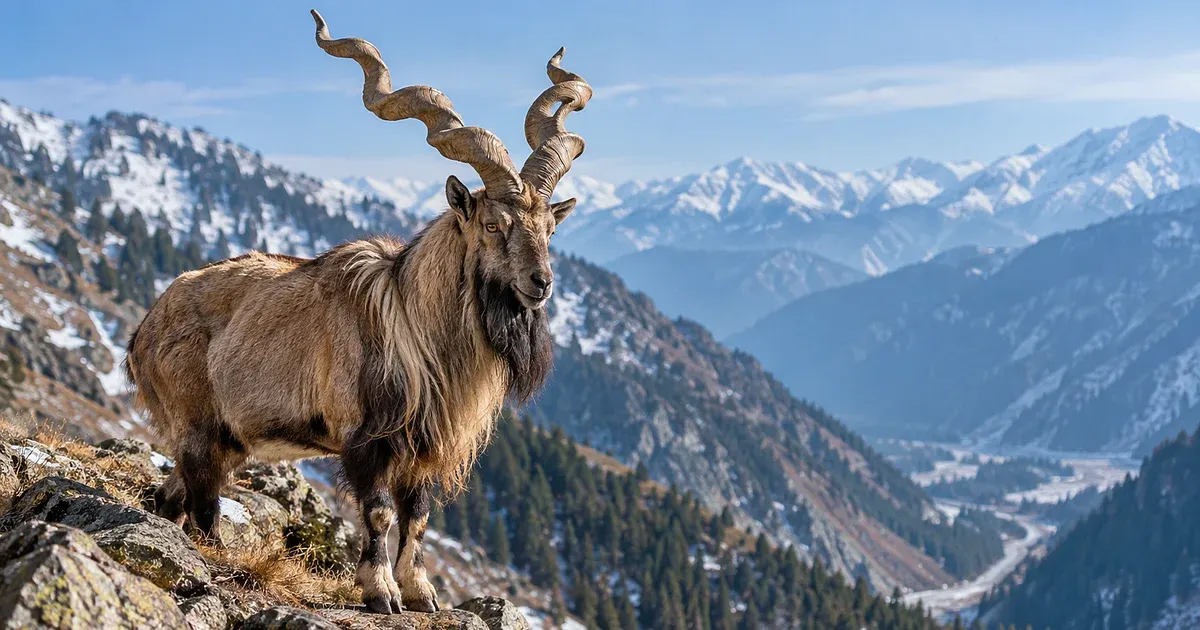
Kashmir Markhor Population Shows Slight Increase in Kazinag Region Survey
Categories

Categories

Related Coverage

Select a news story to see related coverage from other media outlets.

Related Coverage

Select a news story to see related coverage from other media outlets.

  1. Home
  2. /
  3. Social

Kashmir Markhor Population Shows Slight Increase in Kazinag Region Survey

Analysed 6 Oct 2026·2 sources analysed·India·Social
Kashmir Markhor Population Shows Slight Increase in Kazinag Region SurveyPreviousNext

The population of the near-threatened Kashmir markhor in Jammu and Kashmir's Kazinag region has slightly increased to an estimated 227 in 2026 from 221 in 2023, marking a 71% rise since 2005. A joint survey by the Wildlife Trust of India and the Jammu and Kashmir Department of Wildlife Protection recorded 600 sightings across four seasons, indicating healthy reproduction with 69 kids per 100 adult females. Continued conservation efforts focus on habitat protection and mitigating human disturbances to ensure the species' long-term survival.

Sentiment
68%
TBN's observations

First-hand measurement across 2 sources

We measured how 2 outlets covered this story. No outlet gave this story a measurable political slant — there is no left–right reading to report. Overall sentiment is positive (68/100). Lens Score 41/100.

Outlets measured: deccanherald, thetribune. See how each one headlined and framed the same story in the source comparison below.

AI analysis of 2 sources · Published under editorial oversight by The Balanced News
Analysed 6 Oct 2026· How this analysis is produced· Editorial standards· Corrections

AI Analysis

Sentiment — Positive (68/100)

Sentiment was consistent across outlets (68–68/100), indicating broadly factual reporting rather than editorialising.

Coverage timeline

thetribune broke this story on 5 Oct, 07:37 pm. Other outlets followed.

5 Oct, 07:37 pm2 sources · 10 h6 Oct, 05:10 am
  1. 1
AI analysis by the TBN Bias Engine · beat methodology byAniket Awate· Culture & Digital Media Writer· editorial standards byOjas Kale
← Previous
Asian Games Gold Medallist Lovlina Borgohain Joins Delhi Police Women's Safety Campaign
Next →
New Book Highlights Indian-American Women Leaders’ Career Journeys
thetribune5 Oct, 07:37 pm
Slight rise in near-threatened markhor population: Survey - The Tribune
  • 2
    deccanherald6 Oct, 05:10 am
    Kashmir markhor: Rare wild goat stages 71 per cent comeback near LoC border
  • Who's involved

    Institutions and figures named across source coverage.

    Government
    Jammu and Kashmir Department of Wildlife Protection

    Story context

    Category
    Social
    Location
    India
    Sources analysed
    2
    Last analysed
    6 Oct 2026
    Key entities
    Jammu and Kashmir (union territory)Near-threatened speciesMarkhorKashmirIndiaKazinag National ParkWildlife Trust of IndiaHabitatInternational Union for Conservation of NatureLine of ControlConservation biologyMammal