Monsoon Flooding in Indian Cities Highlights Drainage and Urban Planning Challenges
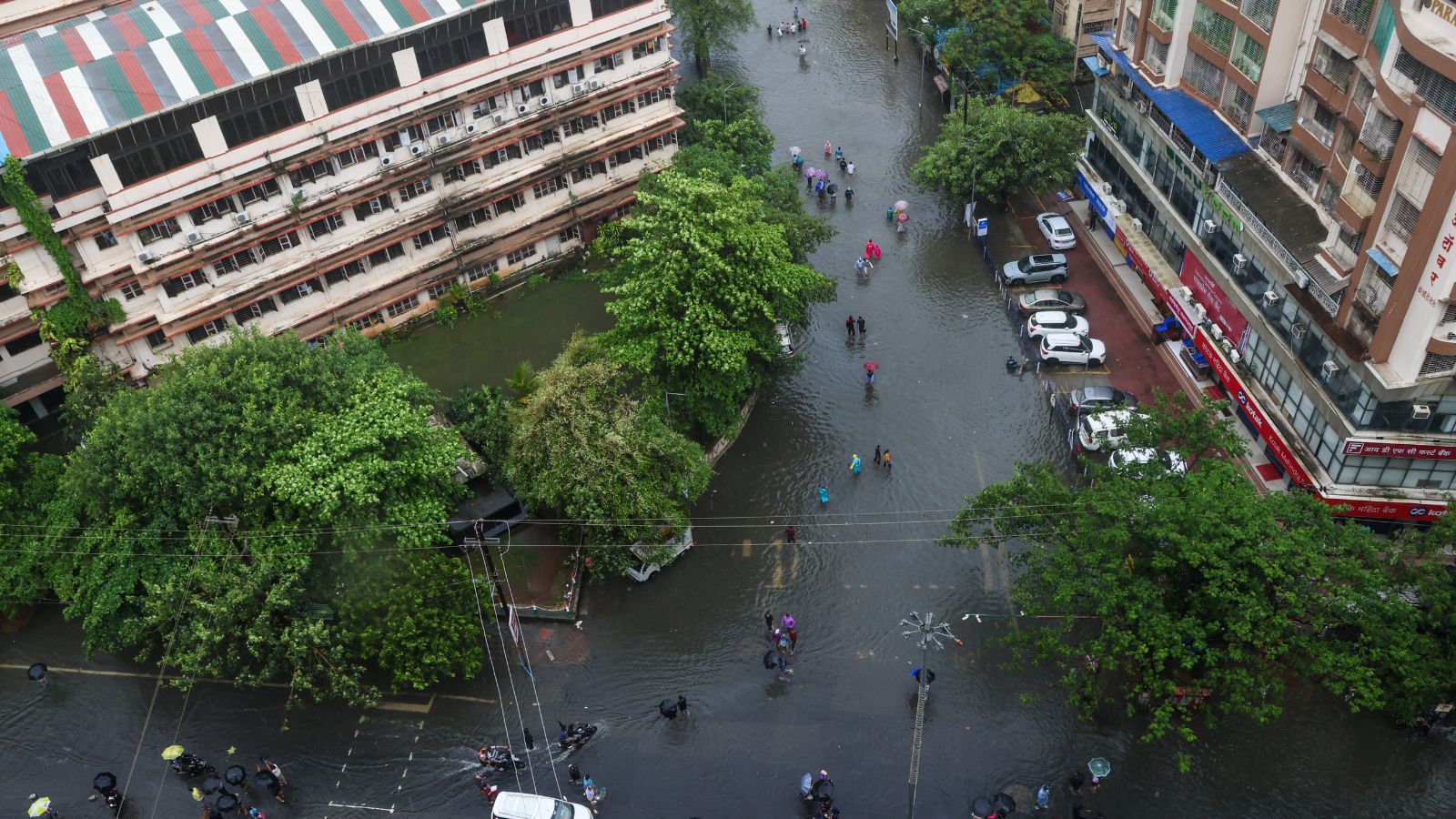
Recent monsoon rains have caused severe flooding in Indian cities like Mumbai, Pune, Delhi-NCR, and Gurugram, disrupting daily life despite significant investments in drainage infrastructure. Experts attribute the flooding to outdated drainage systems designed for lower rainfall intensities, rapid urbanization altering natural water flows, and fragmented urban planning. In contrast, planned cities like Noida manage monsoon rains better due to comprehensive infrastructure and topographical considerations, highlighting the need for integrated water management approaches.
First-hand measurement across 6 sources
We measured how 6 outlets covered this story. Coverage leans balanced overall (Left 13%, Centre 82%, Right 5%). Overall sentiment is neutral (45/100). Lens Score 42/100 — moderate-to-low public interest.
Outlets analysed (first-hand measurement by TBN's Bias Engine):
- news18— balanced framing, neutral sentiment
- indianexpress— balanced framing, neutral sentiment
- indianexpress— balanced framing, neutral sentiment
- thestatesman— balanced framing, neutral sentiment
- indiatoday— balanced framing, neutral sentiment
- hindustantimes— balanced framing, negative sentiment
AI Analysis
The articles present a range of perspectives focusing on infrastructural and planning issues without partisan framing. They include expert analyses on historical and engineering factors, municipal spending details, and comparisons between different urban development models. The coverage emphasizes systemic challenges rather than political accountability, reflecting a technical and administrative viewpoint across sources.
The overall tone is critical yet factual, highlighting the shortcomings of existing drainage systems and urban planning in managing monsoon floods. While acknowledging efforts and investments made by municipal bodies, the coverage underscores persistent vulnerabilities and disruptions caused by flooding. The sentiment is mixed, combining concern over infrastructural failures with recognition of better-performing models like Noida's.