Historical Introductions of Predators for Pest Control Led to Ecological Challenges
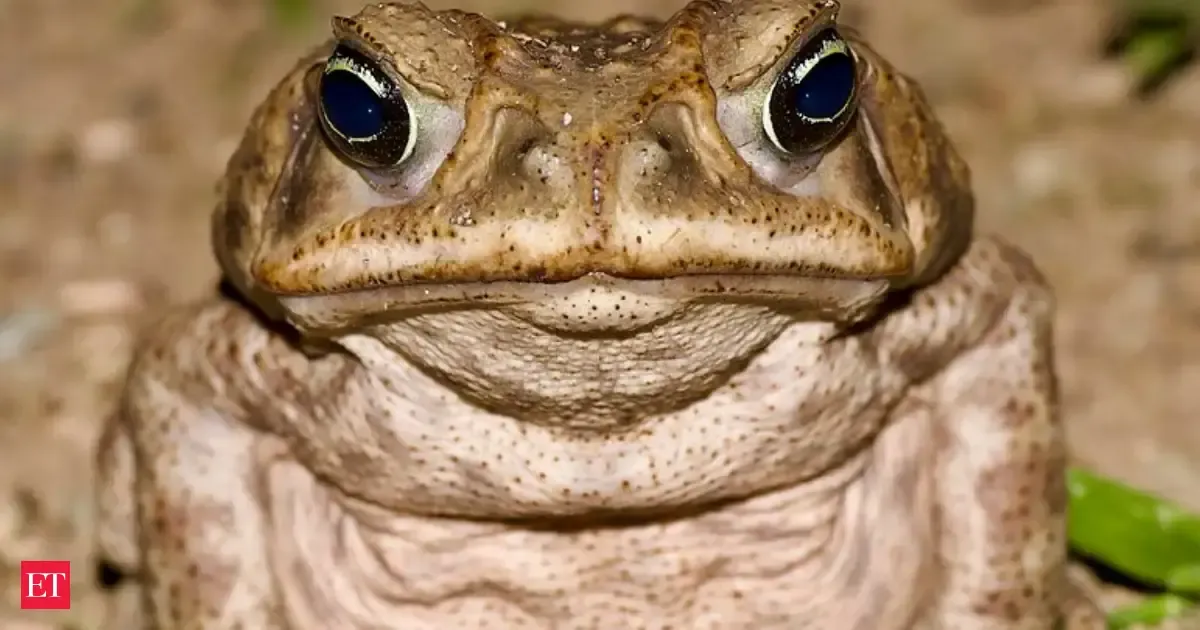
In the 19th and 20th centuries, sugarcane farmers in Jamaica and Australia introduced non-native predators—mongooses and cane toads respectively—to control pests damaging crops. While initially reducing rat and beetle populations, these species became invasive, harming native wildlife and ecosystems. The unchecked spread of mongooses led to tick outbreaks and extinctions in the Caribbean, while cane toads poisoned native predators across Australia. These cases highlight the ecological risks of introducing species without thorough impact assessments.
First-hand measurement across 2 sources
We measured how 2 outlets covered this story. No outlet gave this story a measurable political slant — there is no left–right reading to report. Overall sentiment is neutral (44/100). Lens Score 40/100.
Outlets measured: economictimes, economictimes. See how each one headlined and framed the same story in the source comparison below.
AI Analysis
Sentiment was consistent across outlets (42–45/100), indicating broadly factual reporting rather than editorialising.
Coverage timeline
economictimes broke this story on 27 Jul, 12:41 pm. Other outlets followed.