Juneteenth Marks Enforcement of Emancipation Proclamation and Freedom Announcement in Texas
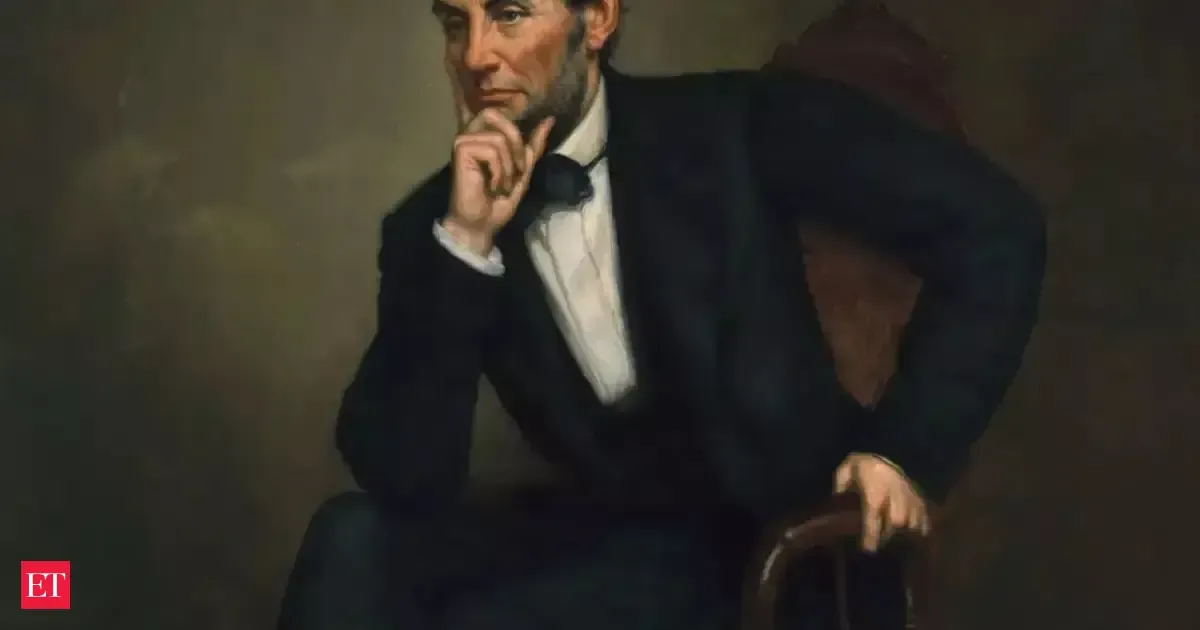
Juneteenth commemorates June 19, 1865, when Major General Gordon Granger announced in Galveston, Texas, that enslaved African Americans were free, enforcing the Emancipation Proclamation issued by President Abraham Lincoln in 1863. Granger's General Order No. 3 declared freedom and equality of rights between former slaves and masters, marking a significant step toward justice. Lincoln's earlier words emphasized that denying freedom to others undermines one's own liberty, a message that remains relevant today.
First-hand measurement across 2 sources
We measured how 2 outlets covered this story. Coverage leans balanced overall (Left 0%, Centre 100%, Right 0%). Overall sentiment is positive (75/100). Lens Score 26/100 — low public interest.
Outlets analysed (first-hand measurement by TBN's Bias Engine):
- economictimes— balanced framing, positive sentiment
- economictimes— balanced framing, positive sentiment
AI Analysis
The articles present historical facts about Juneteenth from a neutral standpoint, focusing on official proclamations by Abraham Lincoln and General Gordon Granger. They highlight government actions during the Civil War era without partisan framing, emphasizing themes of freedom and equality. The coverage reflects a consensus on the significance of these events without promoting any political agenda.
The tone across the articles is respectful and commemorative, reflecting a positive sentiment toward the historical milestones of emancipation and freedom. The language is solemn and inspirational, focusing on justice and equality, without expressing criticism or controversy. This creates an overall uplifting and reflective mood appropriate for the Juneteenth observance.
How 2 sources covered this story
Each source's own headline, political lean, and sentiment — so you can see framing differences at a glance.