Skip to content
Get the Balanced News app for a better experience!
The Balanced News Logo
Analytics
The Balanced News Logo

Stay Balanced, Stay Informed

Menu
  • Browse News
  • Underreported Stories
  • Curated Feeds
  • Insights
  • Analytics
  • Our Writers
  • About Us
  • Download App
Learn
  • How It Works
  • Bias Detection
  • Lens Score
  • Source Bias Checker
  • Accountability
  • Custom Feeds
Newsroom
  • Writers & Analysts
  • About TBN
  • Editorial Standards
  • Corrections Policy
  • Our Partners
  • Insights
Socials
  • Youtube
  • Instagram
  • X
  • Facebook
News Categories
  • Trending
  • Politics
  • Sports
  • Business
  • Tech
  • Entertainment
  • Health
  • Science
  • Crime
  • Lifestyle
  • National
  • International
  • Good News
  • Crypto

Get Our App

Available for iOS and Android


LensFeedsInsightsAnalyticsTrendingGood NewsSportsPoliticsBusinessCrimeTechEntertainmentHealthNationalInternational

© 2026 The Balanced News. All rights reserved.

About UsEditorial StandardsCorrectionsHelp & SupportPrivacy PolicyTerms & Conditions
Ecological Restoration Projects Show Land Recovery Through Natural Methods in Colombia and England
Categories

Categories

Related Coverage

Select a news story to see related coverage from other media outlets.

Related Coverage

Select a news story to see related coverage from other media outlets.

  1. Home
  2. /
  3. Social

Ecological Restoration Projects Show Land Recovery Through Natural Methods in Colombia and England

Analysed 23 Jul 2026·2 sources analysed·Colombia·Social
Ecological Restoration Projects Show Land Recovery Through Natural Methods in Colombia and EnglandPreviousNext

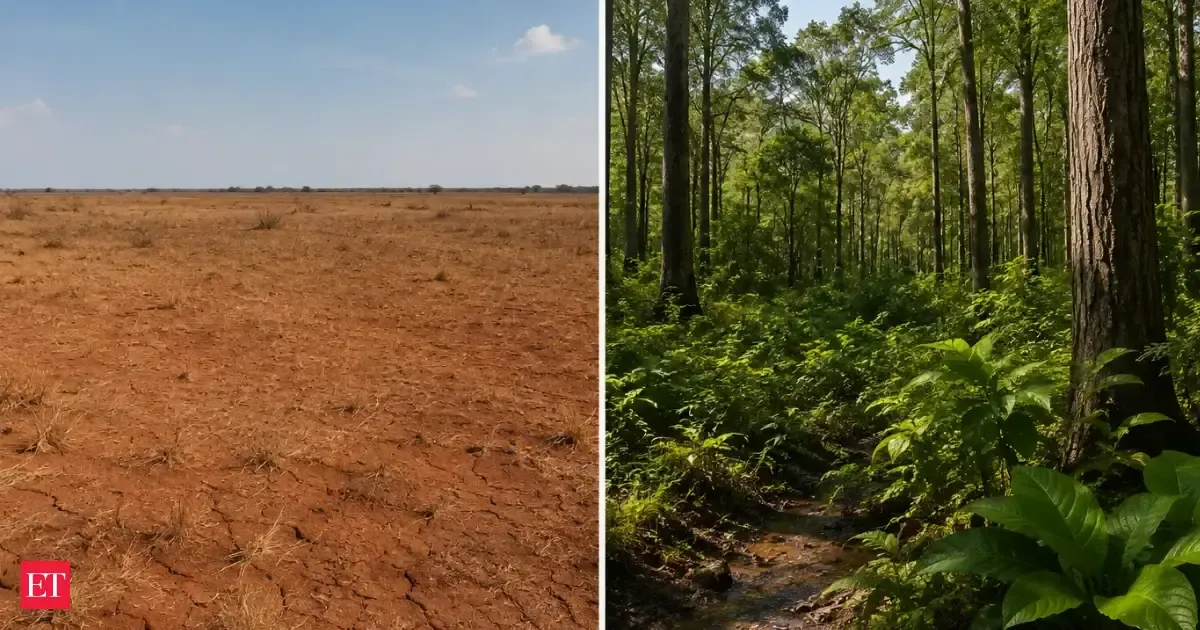
Two ecological restoration projects demonstrate land recovery through natural methods. In Colombia, a community transformed acidic savanna into rainforest by planting Caribbean pines inoculated with fungus, enabling native plants to regrow and boosting rainfall and income. In England, a couple abandoned conventional farming on 3,500 acres, allowing free-roaming herbivores to restore natural processes, increasing wildlife populations. Both cases show that degraded land can recover sustainably within human lifetimes using patient, nature-based approaches.

Sentiment
78%
TBN's observations

First-hand measurement across 2 sources

We measured how 2 outlets covered this story. No outlet gave this story a measurable political slant — there is no left–right reading to report. Overall sentiment is positive (78/100). Lens Score 33/100.

Outlets measured: economictimes, economictimes. See how each one headlined and framed the same story in the source comparison below.

AI analysis of 2 sources · Published under editorial oversight by The Balanced News
Analysed 23 Jul 2026· How this analysis is produced· Editorial standards· Corrections

AI Analysis

Sentiment — Positive (78/100)

Sentiment was consistent across outlets (78–78/100), indicating broadly factual reporting rather than editorialising.

Coverage timeline

economictimes broke this story on 23 Jul, 12:58 pm. Other outlets followed.

23 Jul, 12:58 pm2 sources · 25 min23 Jul, 01:23 pm
AI analysis by the TBN Bias Engine · beat methodology byAniket Awate· Culture & Digital Media Writer· editorial standards byOjas Kale
← Previous
Woman's Feeding of Monkeys in Residential Park Sparks Neighbourhood Dispute
Next →
Elderly Patient Suffers Rat Bite Injury at Tiruchi Government Hospital Ward
  • 1
    economictimes23 Jul, 12:58 pm
    A couple gave up on a failing Sussex farm, pulled out the fences and let 3,500 acres go feral; it became the template for British rewilding
  • 2
    economictimes23 Jul, 01:23 pm
    On a savanna so acidic that experts called it dead, a Colombian community planted a forest of Caribbean pines for resin; under their shade, a rainforest nobody planted came back on its own
  • Story context

    Category
    Social
    Location
    Colombia
    Sources analysed
    2
    Last analysed
    23 Jul 2026
    Key entities
    GaviotasPlantationAcidSavannaRainforestDesertPineSoilColombiaLlanosCaribbean pineLugari