Skip to content
Get the Balanced News app for a better experience!
The Balanced News Logo
Analytics
The Balanced News Logo

Stay Balanced, Stay Informed

Menu
  • Browse News
  • Underreported Stories
  • Curated Feeds
  • Insights
  • Analytics
  • Our Writers
  • About Us
  • Download App
Learn
  • How It Works
  • Bias Detection
  • Lens Score
  • Source Bias Checker
  • Accountability
  • Custom Feeds
Newsroom
  • Writers & Analysts
  • About TBN
  • Editorial Standards
  • Corrections Policy
  • Our Partners
  • Insights
Socials
  • Youtube
  • Instagram
  • X
  • Facebook
News Categories
  • Trending
  • Politics
  • Sports
  • Business
  • Tech
  • Entertainment
  • Health
  • Science
  • Crime
  • Lifestyle
  • National
  • International
  • Good News
  • Crypto

Get Our App

Available for iOS and Android


LensFeedsInsightsAnalyticsTrendingGood NewsSportsPoliticsBusinessCrimeTechEntertainmentHealthNationalInternational

© 2026 The Balanced News. All rights reserved.

About UsEditorial StandardsCorrectionsHelp & SupportPrivacy PolicyTerms & Conditions
Monsoon Highlights Urban Water Challenges and Need for Sustainable Management in India
Categories

Categories

Related Coverage

Select a news story to see related coverage from other media outlets.

Related Coverage

Select a news story to see related coverage from other media outlets.

  1. Home
  2. /
  3. Social

Monsoon Highlights Urban Water Challenges and Need for Sustainable Management in India

Analysed 3 Aug 2026·2 sources analysed·Mumbai, India·Social
Monsoon Highlights Urban Water Challenges and Need for Sustainable Management in IndiaPreviousNext

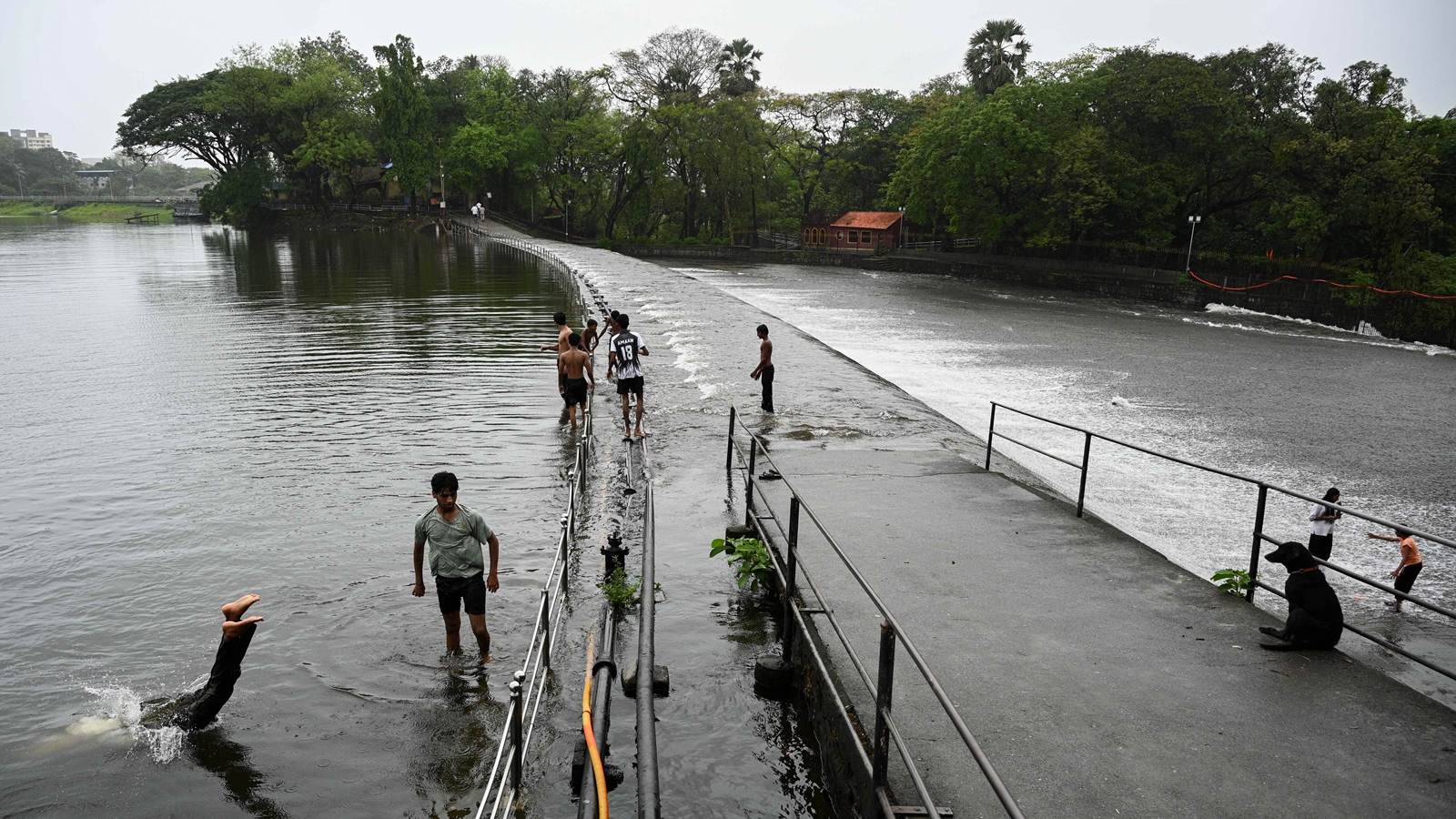
Recent heavy monsoon rains have exposed vulnerabilities in India's urban water management. Mumbai, despite receiving above-average rainfall, pumped over 4,200 crore litres of water into the sea to prevent flooding, highlighting the city's reliance on distant reservoirs and limited local freshwater sources. Meanwhile, cities like Delhi face water shortages amid heat, and Assam and Himachal Pradesh experience floods and landslides. Experts emphasize the need to shift from linear water systems to circular models that reuse water and manage waste sustainably to enhance urban resilience against climate stress.

Sentiment
58%
TBN's observations

First-hand measurement across 2 sources

We measured how 2 outlets covered this story. No outlet gave this story a measurable political slant — there is no left–right reading to report. Overall sentiment is neutral (58/100). Lens Score 44/100.

Outlets measured: indianexpress, thetribune. See how each one headlined and framed the same story in the source comparison below.

AI analysis of 2 sources · Published under editorial oversight by The Balanced News
Analysed 3 Aug 2026· How this analysis is produced· Editorial standards· Corrections

AI Analysis

Sentiment — Neutral (58/100)

Sentiment was consistent across outlets (57–58/100), indicating broadly factual reporting rather than editorialising.

Coverage timeline

thetribune broke this story on 2 Aug, 07:37 pm. Other outlets followed.

2 Aug, 07:37 pm2 sources · 6 h3 Aug, 01:52 am
  1. 1
AI analysis by the TBN Bias Engine · beat methodology byAniket Awate· Culture & Digital Media Writer· editorial standards byOjas Kale
← Previous
Noise and Traffic Disruptions Mark Start of Kanwar Yatra in Delhi
Next →
Social Media Algorithms and Online Addiction Raise Global Concerns
thetribune2 Aug, 07:37 pm
Why cities flood still run dry - The Tribune
  • 2
    indianexpress3 Aug, 01:52 am
    Mumbai pumped 10 days' worth of drinking water into the sea in 8 days. Why?
  • Who's involved

    Institutions and figures named across source coverage.

    Government
    Union Budget 2026Sixteenth Finance CommissionBrihanmumbai Municipal CorporationUrban Local Bodies

    Story context

    Category
    Social
    Location
    Mumbai, India
    Sources analysed
    2
    Last analysed
    3 Aug 2026
    Key entities
    MonsoonLakhWater supplyMumbaiFlash floodLandfillAquiferUrban areaFloodSwachh Bharat MissionChamba districtWater scarcity