Delhi Malviya Nagar Fire Highlights Challenges in Victim Compensation and Accountability
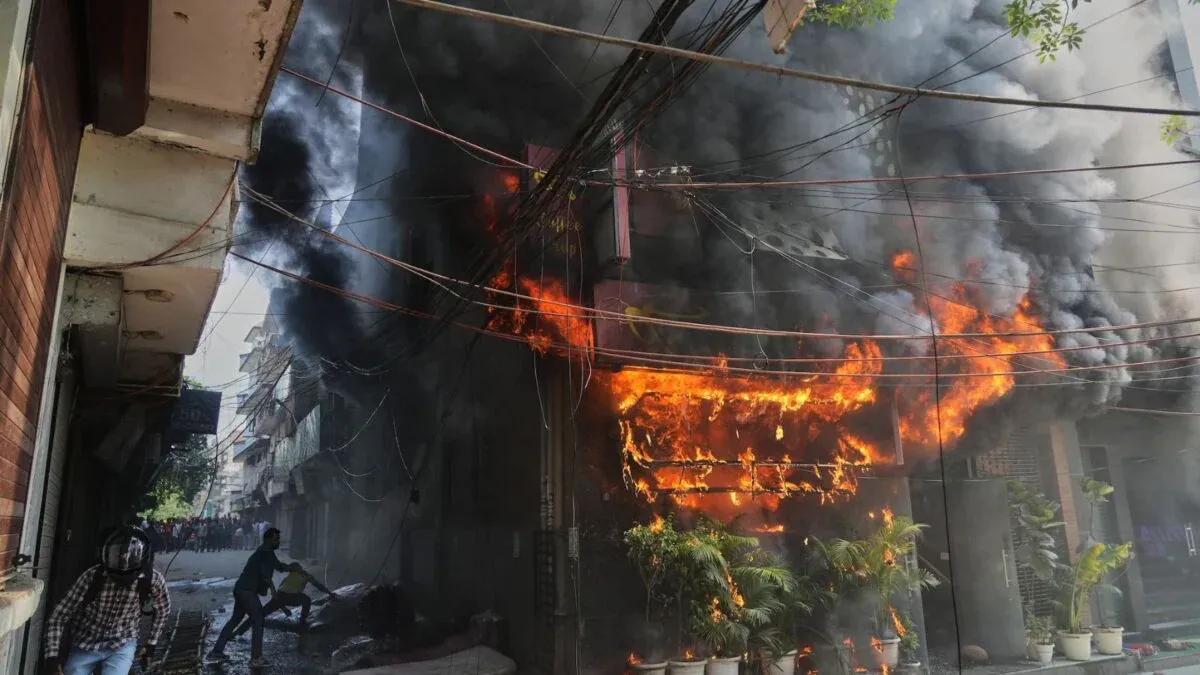
The Malviya Nagar fire in Delhi, which caused over 20 deaths, has raised questions about compensation for victims. Indian law lacks a uniform framework for fire-related compensation, which may include government ex gratia payments, court awards, insurance claims, and labor compensation. While governments often announce financial aid promptly, delays in disbursement and lack of systemic reforms are criticized. Experts and courts emphasize the need for accountability beyond monetary relief to prevent negligence and ensure justice.
First-hand measurement across 2 sources
We measured how 2 outlets covered this story. Coverage leans balanced overall (Left 25%, Centre 73%, Right 2%). Overall sentiment is negative (30/100). Lens Score 58/100 — moderate public interest.
Outlets analysed (first-hand measurement by TBN's Bias Engine):
- news18— balanced framing, neutral sentiment
- hindustantimes— balanced framing, negative sentiment
AI Analysis
The articles present perspectives focusing on government response and legal frameworks without partisan framing. One article outlines existing compensation mechanisms and government practices, while the other critiques systemic negligence and calls for accountability reforms. Both sources emphasize the need for improved policies and responsibility, reflecting a balanced view of institutional roles and victim rights.
The overall tone is serious and critical, acknowledging the tragedy's human cost and shortcomings in compensation processes. While one article neutrally explains compensation options, the other adopts a more critical stance on systemic failures and delayed relief. Together, they convey concern over current practices and the urgency for meaningful change without sensationalism.
How 2 sources covered this story
Each source's own headline, political lean, and sentiment — so you can see framing differences at a glance.