Skip to content
Get the Balanced News app for a better experience!
The Balanced News Logo
Analytics
The Balanced News Logo

Stay Balanced, Stay Informed

Menu
  • Browse News
  • Underreported Stories
  • Curated Feeds
  • Insights
  • Analytics
  • Our Writers
  • About Us
  • Download App
Learn
  • How It Works
  • Bias Detection
  • Lens Score
  • Source Bias Checker
  • Accountability
  • Custom Feeds
Newsroom
  • Writers & Analysts
  • About TBN
  • Editorial Standards
  • Corrections Policy
  • Our Partners
  • Insights
Socials
  • Youtube
  • Instagram
  • X
  • Facebook
News Categories
  • Trending
  • Politics
  • Sports
  • Business
  • Tech
  • Entertainment
  • Health
  • Science
  • Crime
  • Lifestyle
  • National
  • International
  • Good News
  • Crypto

Get Our App

Available for iOS and Android


LensFeedsInsightsAnalyticsTrendingGood NewsSportsPoliticsBusinessCrimeTechEntertainmentHealthNationalInternational

© 2026 The Balanced News. All rights reserved.

About UsEditorial StandardsCorrectionsHelp & SupportPrivacy PolicyTerms & Conditions
Global Study Finds 9.5% Decline in Coral Reef Cover Due to Frequent Bleaching
Categories

Categories

Related Coverage

Select a news story to see related coverage from other media outlets.

Related Coverage

Select a news story to see related coverage from other media outlets.

  1. Home
  2. /
  3. Social

Global Study Finds 9.5% Decline in Coral Reef Cover Due to Frequent Bleaching

Analysed 1 Sept 2026·2 sources analysed·Palau·Social
Global Study Finds 9.5% Decline in Coral Reef Cover Due to Frequent BleachingPreviousNext

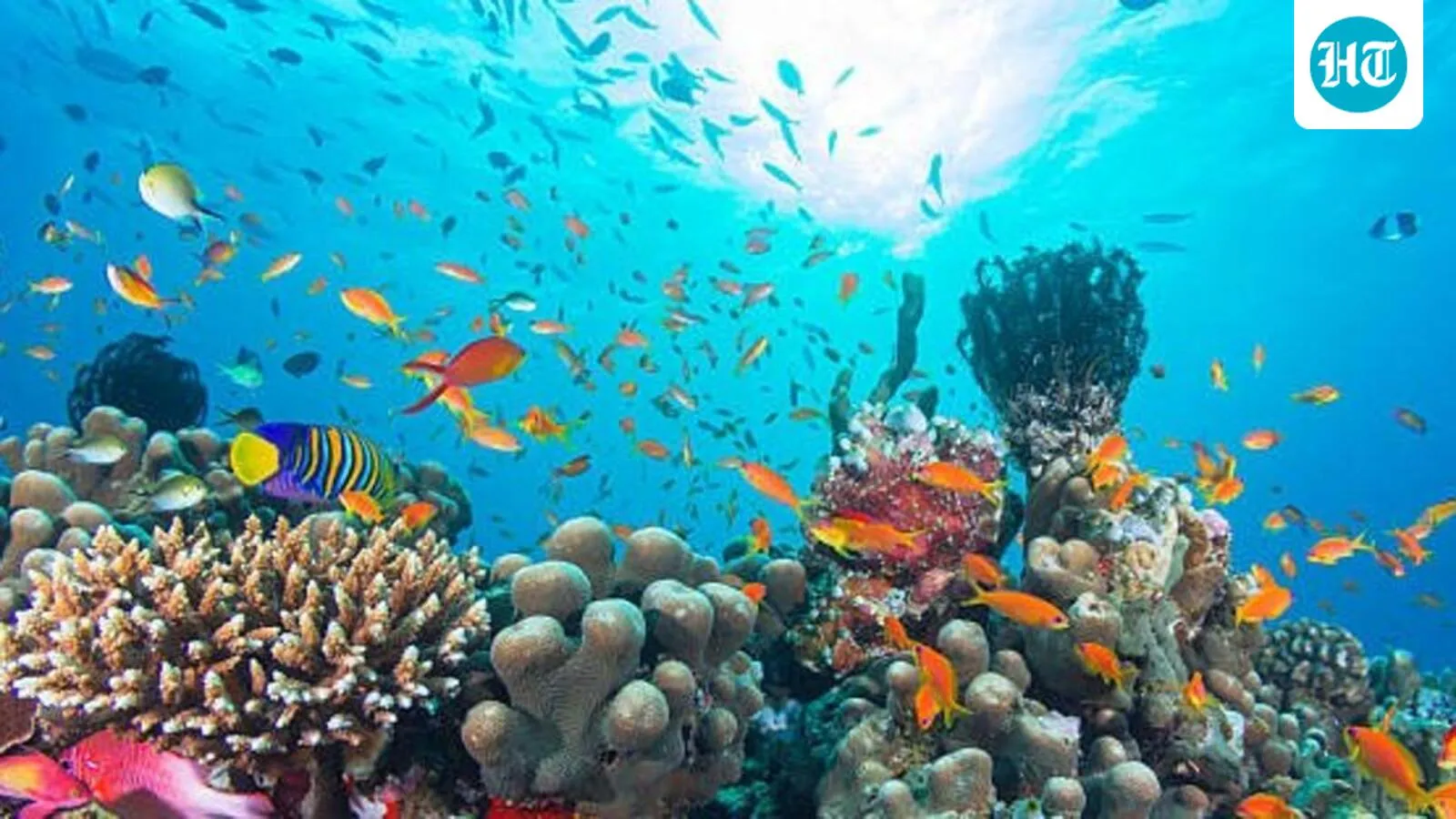
A global study by the Global Coral Reef Monitoring Network reveals that coral reefs are bleaching more frequently due to rising ocean temperatures, reducing recovery time and causing a 9.5% decline in hard coral cover between 2020 and 2024 compared to 1980-2009. Despite some regional recoveries, such as in the western Indian Ocean and South Asia, overall coral cover is at risk of irreversible decline, threatening marine biodiversity and coastal resilience. The findings highlight climate change's impact on reef ecosystems ahead of the COP31 climate conference.

Sentiment
37%
TBN's observations

First-hand measurement across 2 sources

We measured how 2 outlets covered this story. No outlet gave this story a measurable political slant — there is no left–right reading to report. Overall sentiment is negative (37/100). Lens Score 47/100.

Outlets measured: hindustantimes, thetribune. See how each one headlined and framed the same story in the source comparison below.

AI analysis of 2 sources · Published under editorial oversight by The Balanced News
Analysed 1 Sept 2026· How this analysis is produced· Editorial standards· Corrections

AI Analysis

Sentiment — Negative (37/100)

Sentiment was consistent across outlets (32–42/100), indicating broadly factual reporting rather than editorialising.

Coverage timeline

thetribune broke this story on 31 Aug, 08:37 am. Other outlets followed.

31 Aug, 08:37 am2 sources · 21 h1 Sept, 05:13 am
  1. 1
AI analysis by the TBN Bias Engine · beat methodology byAniket Awate· Culture & Digital Media Writer· editorial standards byOjas Kale
← Previous
Nepal Deploys Mental Health Support Amid Deadliest Floods' Aftermath
Next →
Pakistan Faces Declining Food Consumption and Rising Food Insecurity, Data Shows
thetribune31 Aug, 08:37 am
Coral bleaching occurring too frequently for reefs to recover: Scientists - The Tribune
  • 2
    hindustantimes1 Sept, 05:13 am
    Overall coral reef cover down by 9.5 in 2020-2024: Study
  • Story context

    Category
    Social
    Location
    Palau
    Sources analysed
    2
    Last analysed
    1 Sept 2026
    Key entities
    Coral reefCoralCoral bleachingReefClimate changePacific OceanIntergovernmental Science-Policy Platform on Biodiversity and Ecosystem ServicesScleractiniaMarine lifeAlgaePollutionPacific Islands Forum