Record Number of Women Qualify for JEE Advanced Amid Ongoing STEM Participation Challenges
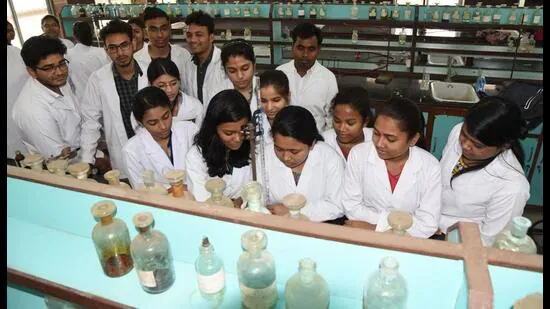
For the first time, over 10,000 female candidates qualified for the JEE Advanced 2026, marking a significant rise in women's participation in India's premier engineering institutions. This increase reflects policy efforts like supernumerary seats and targeted encouragement for girls in STEM. Despite this progress, women remain underrepresented in engineering careers and academia, facing societal and structural barriers that limit their retention and advancement in STEM fields.
First-hand measurement across 2 sources
We measured how 2 outlets covered this story. Coverage leans balanced overall (Left 45%, Centre 53%, Right 2%). Overall sentiment is neutral (65/100). Lens Score 21/100 — low public interest.
Outlets analysed (first-hand measurement by TBN's Bias Engine):
- indianexpress— balanced framing, positive sentiment
- hindustantimes— left-leaning framing, neutral sentiment
AI Analysis
The articles present a largely factual and policy-focused perspective, highlighting government interventions such as supernumerary seats and societal challenges affecting women in STEM. They emphasize progress without partisan framing, representing both achievements and persistent structural barriers. The coverage includes educational statistics and social context, reflecting a balanced view of policy impact and ongoing gender disparities.
The overall tone is cautiously optimistic, celebrating the record number of female qualifiers while acknowledging ongoing challenges in women's STEM participation and retention. The sentiment balances recognition of progress with concern over persistent inequalities, resulting in a mixed but hopeful narrative that underscores both achievement and areas needing improvement.