Skip to content
Get the Balanced News app for a better experience!
The Balanced News Logo
Analytics
The Balanced News Logo

Stay Balanced, Stay Informed

Menu
  • Browse News
  • Underreported Stories
  • Curated Feeds
  • Insights
  • Analytics
  • Our Writers
  • About Us
  • Download App
Learn
  • How It Works
  • Bias Detection
  • Lens Score
  • Source Bias Checker
  • Accountability
  • Custom Feeds
Newsroom
  • Writers & Analysts
  • About TBN
  • Editorial Standards
  • Corrections Policy
  • Our Partners
  • Insights
Socials
  • Youtube
  • Instagram
  • X
  • Facebook
News Categories
  • Trending
  • Politics
  • Sports
  • Business
  • Tech
  • Entertainment
  • Health
  • Science
  • Crime
  • Lifestyle
  • National
  • International
  • Good News
  • Crypto

Get Our App

Available for iOS and Android


LensFeedsInsightsAnalyticsTrendingGood NewsSportsPoliticsBusinessCrimeTechEntertainmentHealthNationalInternational

© 2026 The Balanced News. All rights reserved.

About UsEditorial StandardsCorrectionsHelp & SupportPrivacy PolicyTerms & Conditions
Psychology Explains Varied Responses to Fourth of July Social and Sensory Experiences
Categories

Categories

Related Coverage

Select a news story to see related coverage from other media outlets.

Related Coverage

Select a news story to see related coverage from other media outlets.

  1. Home
  2. /
  3. Social

Psychology Explains Varied Responses to Fourth of July Social and Sensory Experiences

Analysed 3 Jul 2026·2 sources analysed·Social
Psychology Explains Varied Responses to Fourth of July Social and Sensory ExperiencesPreviousNext

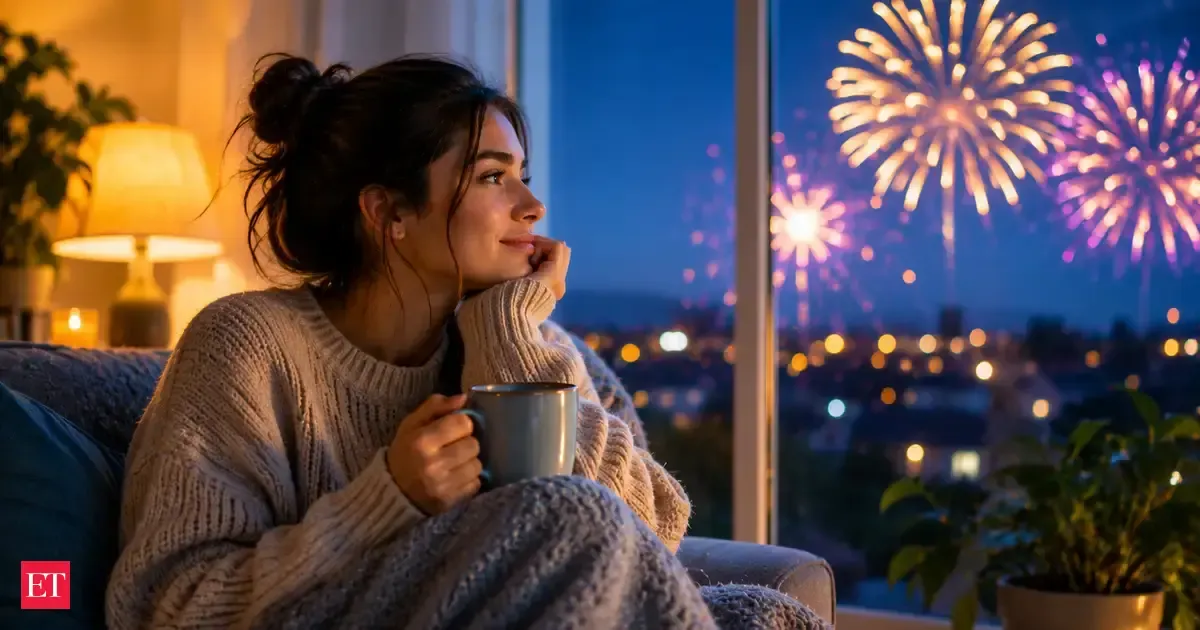
Psychological research suggests that preferences for staying home on the Fourth of July or avoiding fireworks are linked to individual differences in personality and sensory processing rather than antisocial behavior. Introverts may recharge in quieter settings, while those with higher sensory processing sensitivity can find fireworks overwhelming due to intense sights and sounds. These variations reflect diverse ways people experience social and sensory environments without indicating social disinterest or psychological disorders.

TBN's observations

First-hand measurement across 2 sources

We measured how 2 outlets covered this story. Coverage leans balanced overall (Left 0%, Centre 100%, Right 0%). Overall sentiment is positive (70/100). Lens Score 22/100 — low public interest.

Outlets analysed (first-hand measurement by TBN's Bias Engine):

  • economictimes— balanced framing, positive sentiment
  • economictimes— balanced framing, neutral sentiment
Political Bias
0%100%0%
Sentiment
70%
AI analysis of 2 sources · Published under editorial oversight by The Balanced News
Analysed 3 Jul 2026· How this analysis is produced· Editorial standards· Corrections

AI Analysis

Political bias across 2 sources
● Left 0%● Center 100%● Right 0%

The articles present a neutral psychological perspective focusing on individual differences in personality and sensory sensitivity. They do not engage with political viewpoints or partisan framing, instead emphasizing scientific research and behavioral explanations applicable across demographics and political affiliations.

Sentiment — Positive (70/100)

The tone across the articles is informative and neutral, aiming to clarify misconceptions about social behavior and sensory preferences. The coverage neither praises nor criticizes individuals who avoid typical celebrations but seeks to explain these behaviors through psychological concepts, resulting in a balanced and educational sentiment.

How 2 sources covered this story

Each source's own headline, political lean, and sentiment — so you can see framing differences at a glance.

Reviewed byAniket Awate· Culture & Digital Media Writer· Edited byOjas Kale
← Previous
Miri Piri Hospital Staff Strike Over Unpaid Salaries Amid Funding Dispute in Haryana
Next →
1 Arunachal Pradesh Battalion NCC Concludes 10-Day Annual Training Camp in Itanagar
SourceTheir headlineBiasSentiment
economictimesPsychology says people who prefer staying home on the Fourth of July aren't necessarily unsocial, they may recharge differently from large crowdsCenterPositive
economictimesPsychology says people who dislike fireworks aren't just being antisocial, they may be more sensitive to sensory overload or sudden loud noisesCenterNeutral

Coverage timeline

economictimes broke this story on 3 Jul, 07:07 pm. Other outlets followed.

  1. 1
    economictimes3 Jul, 07:07 pm
    Psychology says people who dislike fireworks aren't just being antisocial, they may be more sensitive to sensory overload or sudden loud noises
  2. 2
    economictimes3 Jul, 07:28 pm
    Psychology says people who prefer staying home on the Fourth of July aren't necessarily unsocial, they may recharge differently from large crowds

Lens Score breakdown

22/100
Public interest0/100
Coverage gap100%

Well-covered story — coverage matches public importance.

Story context

Category
Social
Sources analysed
2
Last analysed
3 Jul 2026
Key entities
Extraversion and introversionAntisocial personality disorderPsychologistPsychologyFireworksHans EysenckSensory overloadSensory processing sensitivityIndependence Day (United States)Well-beingBarbecueShyness