Skip to content
Get the Balanced News app for a better experience!
The Balanced News Logo
Analytics
The Balanced News Logo

Stay Balanced, Stay Informed

Menu
  • Browse News
  • Underreported Stories
  • Curated Feeds
  • Insights
  • Analytics
  • Our Writers
  • About Us
  • Download App
Learn
  • How It Works
  • Bias Detection
  • Lens Score
  • Source Bias Checker
  • Accountability
  • Custom Feeds
Newsroom
  • Writers & Analysts
  • About TBN
  • Editorial Standards
  • Corrections Policy
  • Our Partners
  • Insights
Socials
  • Youtube
  • Instagram
  • X
  • Facebook
News Categories
  • Trending
  • Politics
  • Sports
  • Business
  • Tech
  • Entertainment
  • Health
  • Science
  • Crime
  • Lifestyle
  • National
  • International
  • Good News
  • Crypto

Get Our App

Available for iOS and Android


LensFeedsInsightsAnalyticsTrendingGood NewsSportsPoliticsBusinessCrimeTechEntertainmentHealthNationalInternational

© 2026 The Balanced News. All rights reserved.

About UsEditorial StandardsCorrectionsHelp & SupportPrivacy PolicyTerms & Conditions
Psychology Explains Unconscious Rhythmic and Movement Synchronization in Humans
Categories

Categories

Related Coverage

Select a news story to see related coverage from other media outlets.

Related Coverage

Select a news story to see related coverage from other media outlets.

  1. Home
  2. /
  3. Social

Psychology Explains Unconscious Rhythmic and Movement Synchronization in Humans

Analysed 22 Aug 2026·2 sources analysed·London, United Kingdom·Social
Psychology Explains Unconscious Rhythmic and Movement Synchronization in HumansPreviousNext

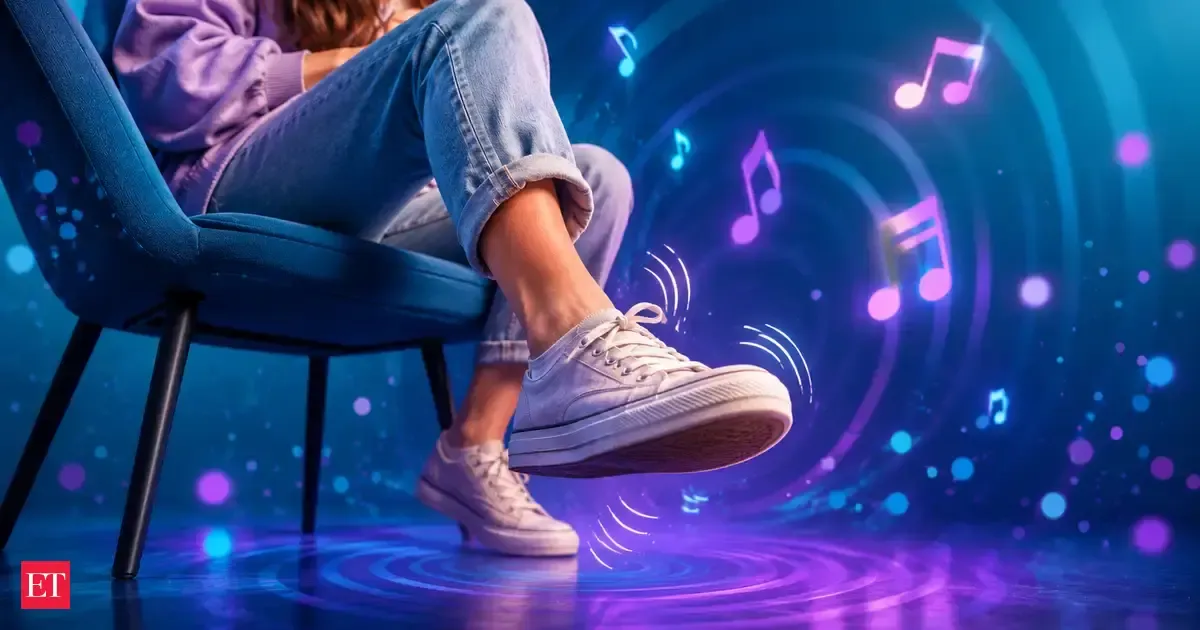
Psychology research explains that unconscious bodily movements, such as bouncing a foot to music or matching another person's walking pace, result from natural synchronization processes. Rhythmic entrainment allows the brain and body to align with musical beats automatically, while interpersonal synchrony leads people to adapt their movements during social interactions without conscious effort. These behaviors reflect innate coordination mechanisms rather than deliberate actions or specific emotional signals.

Sentiment
52%
TBN's observations

First-hand measurement across 2 sources

We measured how 2 outlets covered this story. No outlet gave this story a measurable political slant — there is no left–right reading to report. Overall sentiment is neutral (52/100). Lens Score 28/100.

Outlets measured: economictimes, economictimes. See how each one headlined and framed the same story in the source comparison below.

AI analysis of 2 sources · Published under editorial oversight by The Balanced News
Analysed 22 Aug 2026· How this analysis is produced· Editorial standards· Corrections

AI Analysis

Sentiment — Neutral (52/100)

Sentiment was consistent across outlets (52–52/100), indicating broadly factual reporting rather than editorialising.

Coverage timeline

economictimes broke this story on 22 Aug, 12:14 pm. Other outlets followed.

22 Aug, 12:14 pm2 sources · 78 min22 Aug, 01:32 pm
AI analysis by the TBN Bias Engine · beat methodology byAniket Awate· Culture & Digital Media Writer· editorial standards byOjas Kale
← Previous
Organ Donations from Brain-Dead Patients Aid Multiple Recipients in South India
Next →
Gorkha Community in Israel Holds Prayer for Slain Indian Caregiver, Seeks Justice
1
economictimes22 Aug, 12:14 pm
Psychology says people who unconsciously match another person's walking speed may be experiencing behavioral synchrony
  • 2
    economictimes22 Aug, 01:32 pm
    Psychology says people who bounce their feet to music without realizing it may be responding to rhythmic alignment
  • Story context

    Category
    Social
    Location
    London, United Kingdom
    Sources analysed
    2
    Last analysed
    22 Aug 2026
    Key entities
    SynchronizationPsychologyPsychologistPhysiologyEntrainment (chronobiology)Sensory-motor couplingAuditory systemPerceptionBrainRhythmMotor systemGroove (music)