India Advances Semiconductor Design and Manufacturing with Focus on Semicon 2.0 Program
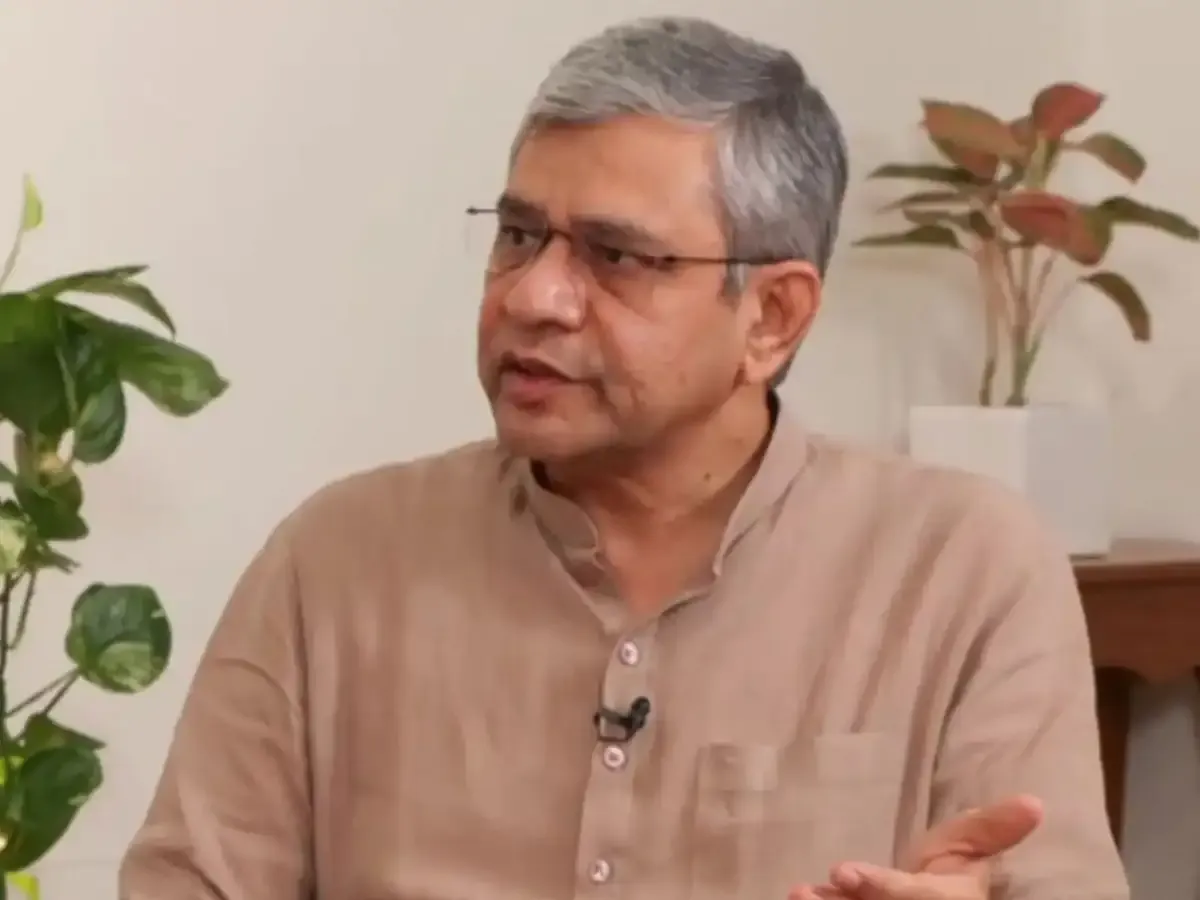
India is advancing rapidly in semiconductor design and manufacturing, with Union Minister Ashwini Vaishnaw highlighting that over 300 universities teach chip design and that advanced chips, including those for Nvidia and Intel, are designed in the country. The Semiconductor Mission has approved 12 plants, with commercial production underway at several facilities. The upcoming Semicon 2.0 program will focus on chip design, manufacturing equipment, and ecosystem development. Vaishnaw noted that while India is a newer entrant compared to Taiwan and South Korea, widespread AI adoption and government initiatives position it for significant growth in the global semiconductor sector.
First-hand measurement across 4 sources
We measured how 4 outlets covered this story. Coverage leans balanced overall (Left 10%, Centre 81%, Right 9%). Overall sentiment is positive (75/100). Lens Score 40/100 — moderate-to-low public interest.
Outlets analysed (first-hand measurement by TBN's Bias Engine):
- thetribune— balanced framing, positive sentiment
- economictimes— balanced framing, positive sentiment
- thetribune— balanced framing, positive sentiment
- economictimes— balanced framing, positive sentiment
AI Analysis
The articles primarily reflect the Indian government's perspective, emphasizing progress and strategic initiatives in the semiconductor sector as presented by Union Minister Ashwini Vaishnaw. They include comparisons with established semiconductor hubs like Taiwan and South Korea, framed to highlight India's emerging status without direct criticism. The coverage lacks opposition viewpoints, focusing on official statements and government-led programs.
The overall tone across the articles is positive, highlighting achievements, ongoing developments, and future plans in India's semiconductor industry. The narrative underscores optimism about India's potential and technological capabilities, with no significant negative or critical sentiment present.
How 4 sources covered this story
Each source's own headline, political lean, and sentiment — so you can see framing differences at a glance.