Skip to content
Get the Balanced News app for a better experience!
The Balanced News Logo
Analytics
The Balanced News Logo

Stay Balanced, Stay Informed

Menu
  • Browse News
  • Underreported Stories
  • Curated Feeds
  • Insights
  • Analytics
  • Our Writers
  • About Us
  • Download App
Learn
  • How It Works
  • Bias Detection
  • Lens Score
  • Source Bias Checker
  • Accountability
  • Custom Feeds
Newsroom
  • Writers & Analysts
  • About TBN
  • Editorial Standards
  • Corrections Policy
  • Our Partners
  • Insights
Socials
  • Youtube
  • Instagram
  • X
  • Facebook
News Categories
  • Trending
  • Politics
  • Sports
  • Business
  • Tech
  • Entertainment
  • Health
  • Science
  • Crime
  • Lifestyle
  • National
  • International
  • Good News
  • Crypto

Get Our App

Available for iOS and Android


LensFeedsInsightsAnalyticsTrendingGood NewsSportsPoliticsBusinessCrimeTechEntertainmentHealthNationalInternational

© 2026 The Balanced News. All rights reserved.

About UsEditorial StandardsCorrectionsHelp & SupportPrivacy PolicyTerms & Conditions
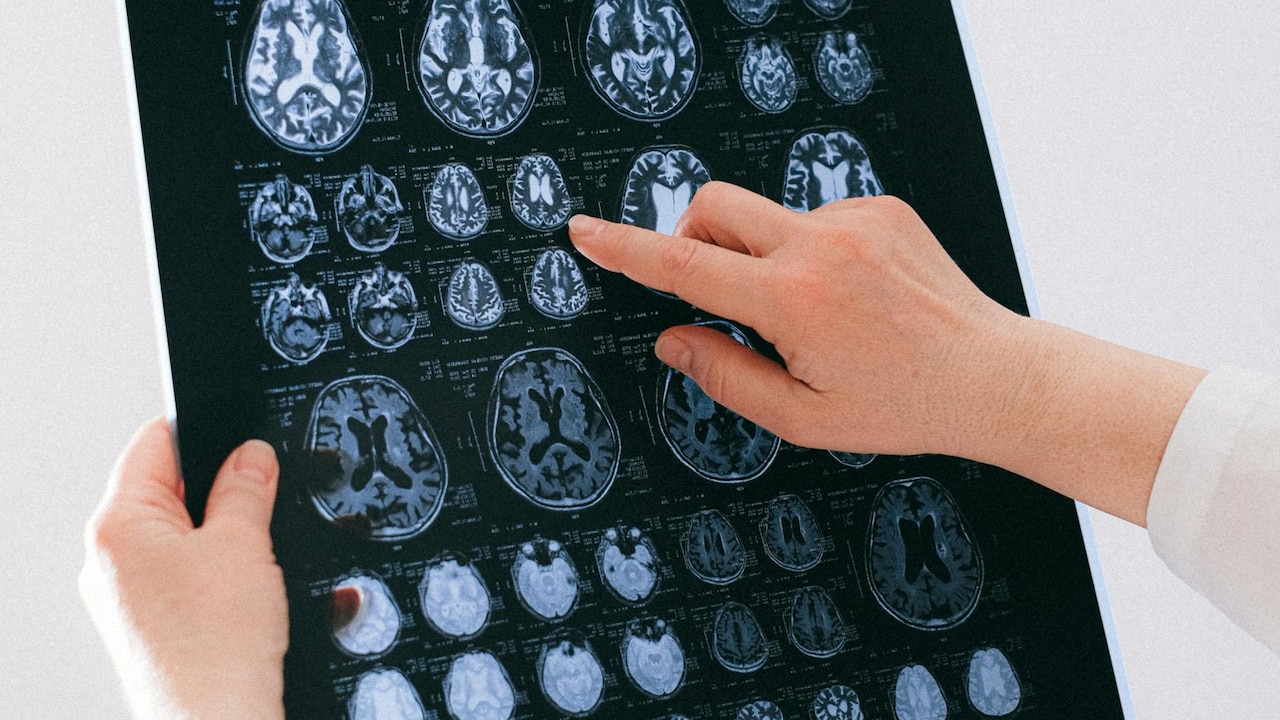
Study Identifies Brain Cells Acting as 'Disappointment Meter' with Drug Development Potential
Categories

Categories

Related Coverage

Select a news story to see related coverage from other media outlets.

Related Coverage

Select a news story to see related coverage from other media outlets.

  1. Home
  2. /
  3. tech

Study Identifies Brain Cells Acting as 'Disappointment Meter' with Drug Development Potential

Reviewed byAshwin Alsi· Technology Editor· Edited byOjas Kale
Analysed 8 Jun 2026·2 sources analysed·tech
Study Identifies Brain Cells Acting as 'Disappointment Meter' with Drug Development PotentialPreviousNext

A study published in Current Biology identifies a group of brain cells in the lateral habenula region that act as a 'disappointment meter,' activating when outcomes fall short of expectations. Researchers, led by Emily Sylwestrak of the University of Oregon, found these neurons may help explain negative emotional responses and could inform development of new medications for neuropsychiatric disorders like depression and addiction. The study involved observing brain activity in mice responding to varying reward sizes, highlighting specific cell types linked to reward processing.

TBN's observations

First-hand measurement across 2 sources

We measured how 2 outlets covered this story. Coverage leans balanced overall (Left 0%, Centre 100%, Right 0%). Overall sentiment is positive (75/100). Lens Score 28/100 — low public interest.

Outlets analysed (first-hand measurement by TBN's Bias Engine):

  • ndtv— balanced framing, positive sentiment
  • thetribune— balanced framing, positive sentiment
Political Bias
0%100%0%
Sentiment
75%
AI analysis of 2 sources · Published under editorial oversight by The Balanced News
Analysed 8 Jun 2026· How this analysis is produced· Editorial standards· Corrections

AI Analysis

Political bias across 2 sources
● Left 0%● Center 100%● Right 0%

The articles present a scientific study without political framing, focusing on neuroscience research and potential medical applications. The coverage is neutral, emphasizing the research findings and expert commentary without political or ideological perspectives. Both sources align closely in presenting the scientific content objectively.

Sentiment — Positive (75/100)

The tone across the articles is neutral to cautiously optimistic, highlighting a scientific discovery with potential benefits for treating mental health conditions. The coverage avoids sensationalism, focusing on factual reporting of the study's findings and implications for future drug development.

How 2 sources covered this story

Each source's own headline, political lean, and sentiment — so you can see framing differences at a glance.

← Previous
India Advances Semiconductor Design and Manufacturing with Focus on Semicon 2.0 Program
Next →
UK Unveils £1.5 Billion Plan to Boost AI Computing and Chip Development
SourceTheir headlineBiasSentiment
ndtvBrain Cells Acting As 'Disappointment Meter' May Help Design New Class Of Drugs, Study FindsCenterPositive
thetribuneBrain cells acting as 'disappointment meter' may help design new class of drugs, study finds - The TribuneCenterPositive

Coverage timeline

thetribune broke this story on 8 Jun, 11:53 am. Other outlets followed.

  1. 1
    thetribune8 Jun, 11:53 am
    Brain cells acting as 'disappointment meter' may help design new class of drugs, study finds - The Tribune
  2. 2
    ndtv8 Jun, 02:09 pm
    Brain Cells Acting As 'Disappointment Meter' May Help Design New Class Of Drugs, Study Finds

Lens Score breakdown

28/100
Public interest0/100
Coverage gap100%

Well-covered story — coverage matches public importance.

Story context

Category
Tech
Sources analysed
2
Last analysed
8 Jun 2026
Key entities
NeuronBrainMedicationAddictionDepression (mood)HabenulaCurrent BiologyBiologyMouseNegative affectivityReward systemUniversity of Oregon