Skip to content
Get the Balanced News app for a better experience!
The Balanced News Logo
Analytics
The Balanced News Logo

Stay Balanced, Stay Informed

Menu
  • Browse News
  • Underreported Stories
  • Curated Feeds
  • Insights
  • Analytics
  • Our Writers
  • About Us
  • Download App
Learn
  • How It Works
  • Bias Detection
  • Lens Score
  • Source Bias Checker
  • Accountability
  • Custom Feeds
Newsroom
  • Writers & Analysts
  • About TBN
  • Editorial Standards
  • Corrections Policy
  • Our Partners
  • Insights
Socials
  • Youtube
  • Instagram
  • X
  • Facebook
News Categories
  • Trending
  • Politics
  • Sports
  • Business
  • Tech
  • Entertainment
  • Health
  • Science
  • Crime
  • Lifestyle
  • National
  • International
  • Good News
  • Crypto

Get Our App

Available for iOS and Android


LensFeedsInsightsAnalyticsTrendingGood NewsSportsPoliticsBusinessCrimeTechEntertainmentHealthNationalInternational

© 2026 The Balanced News. All rights reserved.

About UsEditorial StandardsCorrectionsHelp & SupportPrivacy PolicyTerms & Conditions

Categories

Categories

Related Coverage

Select a news story to see related coverage from other media outlets.

Related Coverage

Select a news story to see related coverage from other media outlets.

  1. Home
  2. /
  3. tech

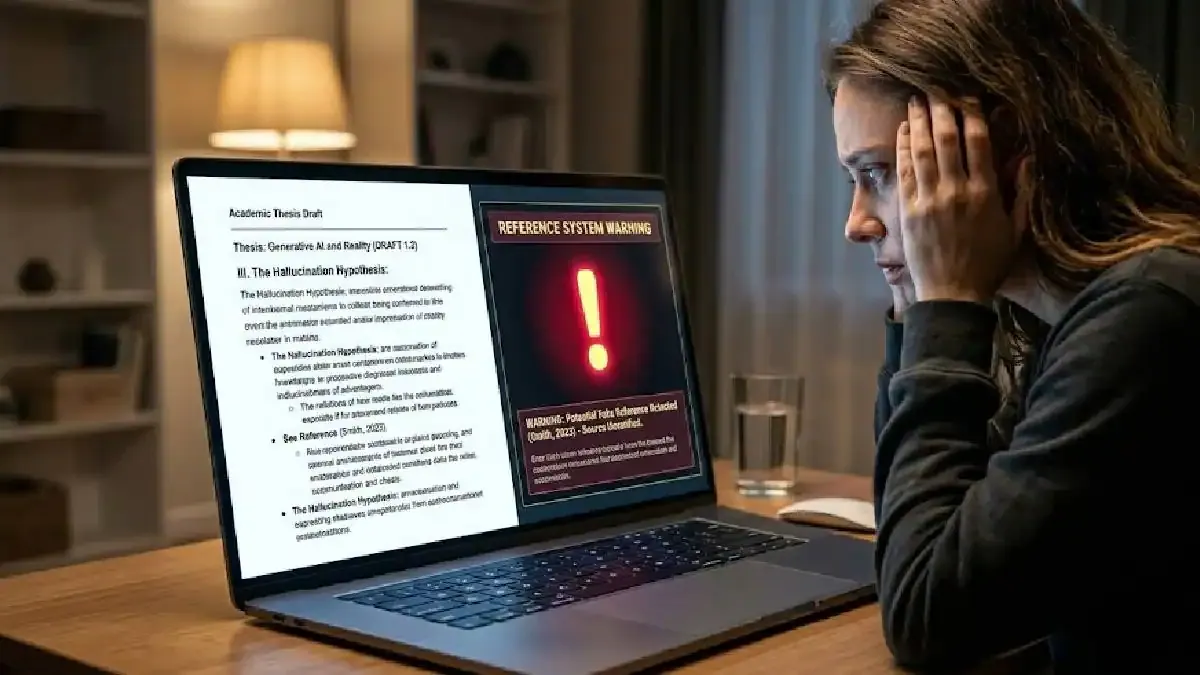
Studies Report Sharp Increase in AI-Generated Fake References in Scientific Research
Analysed 26 May 2026·2 sources analysed·tech
Studies Report Sharp Increase in AI-Generated Fake References in Scientific ResearchPreviousNext

Recent studies reveal a significant rise in AI-generated fabricated references infiltrating scientific literature, particularly since mid-2024. Analysis of millions of research papers across major repositories like PubMed Central and arXiv found over 146,000 fake citations in 2025 alone, often bypassing peer review. These hallucinated references disproportionately affect less experienced authors, raising concerns about research integrity and prompting calls for improved verification systems to address unchecked AI misinformation in academia.

Political Bias
0%100%0%
Sentiment
40%
AI analysis of 2 sources · Published under editorial oversight by The Balanced News
Analysed 26 May 2026· How this analysis is produced· Editorial standards· Corrections

AI Analysis

Political bias across 2 sources
● Left 0%● Center 100%● Right 0%

The articles primarily present a scientific and academic perspective, focusing on research findings without political framing. They highlight concerns from experts and institutions about AI's impact on research integrity, reflecting a consensus on the need for verification improvements. No partisan viewpoints or political agendas are evident, emphasizing a neutral, evidence-based discourse.

Sentiment — Neutral (40/100)

The overall tone is cautionary and concerned, emphasizing the risks posed by AI-generated misinformation in academic work. While the findings highlight a problematic trend, the coverage remains factual and measured, focusing on the implications for scientific reliability and the necessity for safeguards rather than sensationalizing the issue.

How 2 sources covered this story

Each source's own headline, political lean, and sentiment — so you can see framing differences at a glance.

← Previous
Samsung Plans July Launch for Galaxy Z Fold 8 and Fold 8 Ultra with Upgraded Features
Next →
Motorola Phones Reportedly Redirect Amazon Links via Hidden Affiliate Code System
SourceTheir headlineBiasSentiment
economictimesNearly 1.46 lakh AI-hallucinated references entered scientific papers in 2025: StudyCenterNeutral
firstpostAI hallucinations are creeping into academic research; new verification systems could be the solution: ReportCenterNeutral

Coverage timeline

firstpost broke this story on 25 May, 07:54 pm. Other outlets followed.

  1. 1
    firstpost25 May, 07:54 pm
    AI hallucinations are creeping into academic research; new verification systems could be the solution: Report
  2. 2
    economictimes26 May, 01:11 pm
    Nearly 1.46 lakh AI-hallucinated references entered scientific papers in 2025: Study

Lens Score breakdown

25/100
Public interest0/100
Coverage gap100%

Well-covered story — coverage matches public importance.

Story context

Category
Tech
Sources analysed
2
Last analysed
26 May 2026
Key entities
HallucinationArtificial intelligenceBiomedicinePubMed CentralThe LancetPeer reviewTopazAssociate professorManuscriptScientific methodMisinformationHealth care
Studies Report Sharp Increase in AI-Generated Fake References in Scientific Research